 EN
EN


Container Base Type Condition and Certification
Building a container home starts with one crucial decision, choosing the right container. But not all containers are created equal. The type of container you select, its condition, and its certification will have a huge impact on both your upfront costs and the long term durability of your home. Many first time buyers focus only on the price tag and end up paying much more later in repairs and upgrades. This guide will help you understand the trade offs between used, one trip, and new containers, what certifications to look for, and how to avoid costly mistakes that could derail your project.
Used One Trip and New Containers
The container market offers three main categories, used, one trip, and brand new. Each comes with its own price and reliability trade offs. A used container, typically 10 to 15 years old, may cost between 2000 and 4500 dollars. That sounds like a great deal, but it often comes with hidden problems like rust, damaged flooring, or stress from years of heavy loads. Fixing these issues can add 1000 to 3000 dollars to your budget. A one trip container has only carried one load and costs between 4500 and 7000 dollars. It has near new structural integrity with only minor cosmetic wear, which means you spend less on steel repairs. A brand new container ranges from 6000 to 9000 dollars and offers factory certified paint, perfect dimensions, and uniform strength, which is especially important if you are stacking multiple units. The cheapest option upfront is not always the cheapest in the long run. Spending more on a better container from the start can save you thousands in unexpected repairs later.
CSC Plate Certification and Corrosion Assessment
Before you buy any container for a home, you must check for a valid CSC plate. This stands for Convention for Safe Containers and it is an internationally recognized certification that confirms the unit has passed strict structural tests and still has the load bearing capacity it was designed for. If a container does not have a legible CSC plate, you should either walk away or budget for full engineering recertification, which can cost 2000 to 5000 dollars. Equally important is a thorough corrosion assessment. Surface rust might look minor, but rust that has pitted the steel, especially along seams, floor joists, and under interior linings, can weaken the structure and speed up decay. Any openings you cut for windows and doors will also require reinforced headers and lintels to preserve the container's strength. In most areas, these modifications must meet local building codes, which can add 10 to 20 percent to your base cost. Starting with a certified, low corrosion unit avoids these problems and makes the permitting process much smoother.
Insulation Solutions and Their Costs
Steel conducts heat and cold very efficiently, which means proper insulation is not optional in a container home. It is essential for comfort, energy savings, and preventing condensation. The type of insulation you choose has a big effect on both installation cost and your long term energy bills. Spray foam insulation is the top performer, costing between 1.50 and 3.50 dollars per square foot installed. It provides an R value of 6 to 7 per inch, seals air leaks, and acts as a vapor barrier. For a 40 foot container, spray foam typically adds 3000 to 7000 dollars just for insulation. Rigid board insulation like XPS or polyiso costs 0.50 to 2.00 dollars per square foot for materials, with an R value of 5 to 6.5 per inch. It is more budget friendly but requires careful sealing at the seams and can have thermal bridging issues. Sustainable options like wool or denim cost 1.00 to 2.50 dollars per square foot, offer R values of 3.5 to 4, and are non toxic and recyclable. However, they need deeper wall cavities to achieve the same performance. Each option has its pros and cons, and your choice will shape both your initial budget and your monthly utility bills.
Reinforcements for Windows Doors and Multi Container Builds
Every time you cut into a container's steel skin, you weaken its structural integrity. That is why you need engineered reinforcements for any openings you add. Standard window openings require steel headers and lintels, which cost between 800 and 1500 dollars per window. If you choose thermally broken high performance windows, the price climbs to 1500 to 3000 dollars each. Reinforced doors average 1200 to 2500 dollars. For multi container builds, the complexity increases even more. Connecting two or more containers requires heavy duty welding, splice plates, and moment resisting joints, each costing 2000 to 5000 dollars. You also need to address thermal bridging, which is the direct transfer of heat through exposed steel. Adding thermal breaks like neoprene pads or insulated sheathing costs another 1000 to 2500 dollars. Most importantly, local building authorities usually require an engineer stamped structural plan for these modifications, adding 2000 to 5000 dollars in design and permitting fees. Skipping these steps can lead to sagging floors, condensation rust, code violations, and even insurance problems.
Electrical Plumbing HVAC and Off Grid Systems
The mechanical systems in a container home represent one of the largest and most variable cost categories. A basic electrical installation with panel, wiring, outlets, and lighting for a 40 foot unit typically costs 4000 to 8000 dollars. Plumbing for a single bathroom and kitchen sink adds another 3500 to 7000 dollars. For heating and cooling, a ductless mini split HVAC system runs 2500 to 5000 dollars per zone, and most containers need at least two zones for effective temperature control. If you want to go off grid, the budget escalates quickly. A 5 kilowatt solar array with lithium battery storage costs 12000 to 20000 dollars. Composting toilets or engineered septic systems add another 1000 to 5000 dollars. These systems require coordinated design, specialized labor, and local approvals. As you add more independence from utilities, the complexity and cost compound significantly. Each additional feature adds not just its own price tag but also integration costs that can push your total budget much higher than expected.
Finishes Cladding Decks and Tiered Pricing
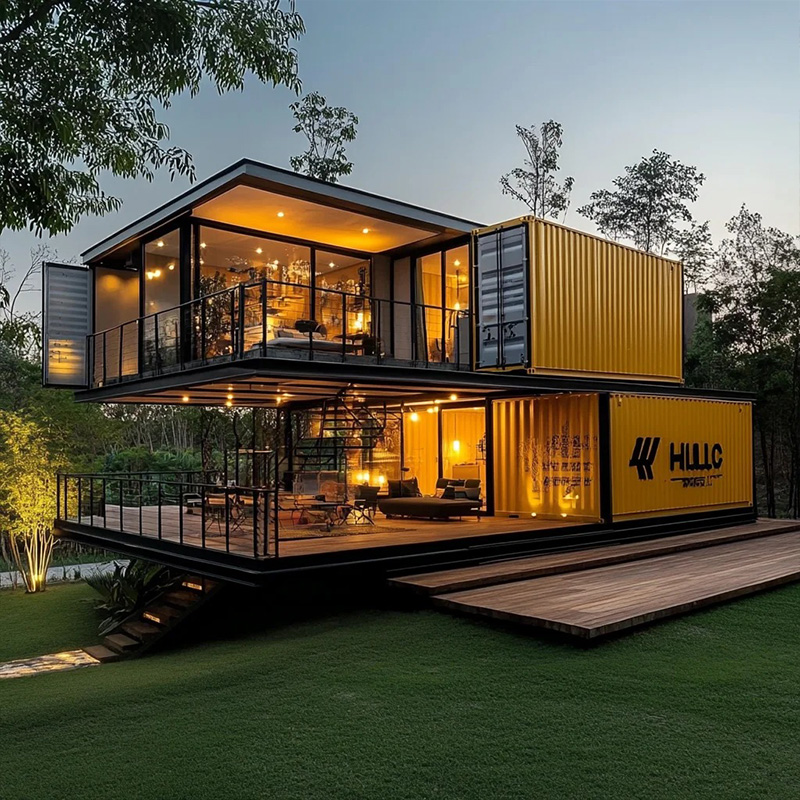
Finishes are where your container home truly becomes a reflection of your personal style, but they are also where costs can escalate rapidly. Exterior cladding options range from painted steel at about 10 dollars per square foot to thermally modified wood or fiber cement panels at 20 to 30 dollars per square foot installed. Each choice affects durability, maintenance needs, and thermal performance. Roof extensions and wraparound decks add valuable outdoor living space and provide shade and weather protection, but they cost between 5000 and 15000 dollars depending on size and materials. Interior finishes like drywall, flooring, cabinetry, and fixtures typically run 15000 to 30000 dollars for mid tier specifications. Many builders offer tiered packages to simplify the decision making. A Standard package is code compliant and functional. A Premium package includes enhanced materials, integrated lighting, and upgraded appliances. A Custom package offers bespoke layouts, smart home integration, and luxury finishes. Each tier represents a different balance of cost and quality, and each raises the total price meaningfully.
Location Logistics and Hidden Costs
When budgeting for a container home, location and logistics are the most underestimated cost factors. These expenses routinely add 20000 to 60000 dollars on top of the container itself and are rarely included in early quotes. Shipping a 40 foot container ranges from 500 dollars for local delivery to over 4000 dollars for cross country or rural hauls. Your foundation choice also drives major cost variation. Pier and beam foundations cost 5000 to 8000 dollars. Slab on grade runs 8000 to 12000 dollars. Helical piles, which are often needed for poor soil conditions, cost 10000 to 15000 dollars. Site preparation including grading, clearing, trenching, and drainage adds 3000 to 10000 dollars. Utility connections for power, water, and sewer or septic typically total 10000 to 30000 dollars. Remote sites can double that figure with private wells, microgrids, or advanced wastewater treatment. Labor is another major variable. A DIY build may hold labor costs to 20000 to 50000 dollars, but it requires real expertise in metal fabrication, welding, and systems integration. Hiring a general contractor introduces a 30 to 50 percent markup. Turnkey solutions from specialized firms start around 150000 dollars and commonly exceed 300000 dollars in high cost markets. These expenses are not incidental, they are foundational. Failing to account for them early is one of the biggest reasons container home projects go over budget.
Frequently Asked Questions
What are the cost differences between used, one trip, and new containers?
Used containers typically cost 2000 to 4500 dollars but may require 1000 to 3000 dollars in repairs. One trip containers cost 4500 to 7000 dollars and offer near new structural integrity. New containers range from 6000 to 9000 dollars and provide the highest reliability.
Why is CSC plate certification important for container houses?
CSC plate certification confirms the container's structural integrity and load bearing capacity. Without it, you may need recertification, which can cost an additional 2000 to 5000 dollars.
What insulation options are available for container houses?
Popular options include spray foam at 1.50 to 3.50 dollars per square foot with R 6 to R 7, rigid boards at 0.50 to 2.00 dollars per square foot with R 5 to R 6.5, and sustainable materials like wool or denim at 1.00 to 2.50 dollars per square foot with R 3.5 to R 4.
How do logistics and location affect container house prices?
Logistics like shipping, site preparation, foundation, and utilities typically add 20000 to 60000 dollars. Regional labor availability and local permitting also influence total costs.
What are the labor options for building a container house?
You can choose a DIY build costing 20000 to 50000 dollars in labor, hire a general contractor with 30 to 50 percent markup, or opt for turnkey services starting at 150000 dollars.