 EN
EN

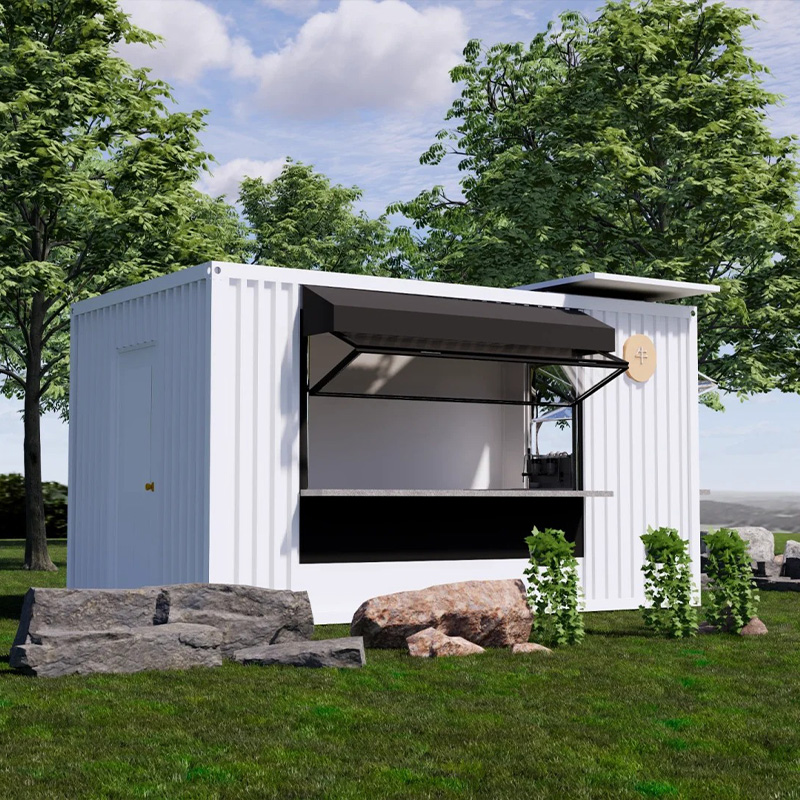
The Complete Guide to 20ft Container House Assembly
Building a container home is exciting, but the real magic happens during assembly. If you have chosen a 20 foot container for your project, the good news is that it is smaller and easier to handle than larger units. The bad news is that mistakes during assembly can cost you time and money. This guide covers everything you need to know about pre assembly planning, site preparation, delivery logistics, structural connections, lifting methods, crew optimization, and choosing the right unit type. Whether you are a first time builder or a seasoned contractor, these tips will help you get your container house up and running as smoothly as possible.
Foundation Requirements and Leveling
A solid foundation is the most important step for a fast and trouble free assembly. A standard 20 foot container weighs roughly 2.5 tons, so even a small unevenness in the ground can twist the frame and make bolt alignment difficult. Start by clearing the site of debris and soft soil, then compact the ground until it is firm. Common foundation options include concrete piers, a reinforced slab, or gravel pads with treated timber supports. Concrete piers cure quickly and allow easy access for plumbing underneath the unit. A slab provides a solid, permanent base that is very stable. Whichever you choose, make sure the top surface is level within a quarter inch across the entire footprint. Also slope the ground around the foundation so rainwater drains away. Install your water, sewer, and electrical connections before placing the container to avoid costly rework later. Doing this work carefully at the start means your crew can move straight to bolting without delays.
Delivery Unpacking and Orientation
Getting the container to your site is only half the battle. You also need to make sure everything is ready for a smooth unloading process. Clear a wide path for the delivery truck, free of low branches, sharp turns, or steep hills. The truck will need at least a 15 meter turning radius to maneuver. The unloading zone must be firm and level. If you are using a crane, position it upwind and make sure it can lift more than the weight of the container. Unpack the container at its final location so you do not have to move it twice. While it is still on the truck bed, remove any transport locks, protective film, and loose items inside. Place the container exactly according to your site plan. A few inches of misalignment can throw off your window and door openings and cost hours of repositioning. Mark the exact spot on the foundation beforehand, and have your tools, bolts, and sealants ready nearby. These simple steps will save you time and let your team start bolting within minutes of placement.
Structural Connection Protocol
Speed is important, but structural integrity is what keeps your home safe. Start by aligning the corner castings with temporary guide pins. Then insert grade 8.8 M16 bolts through the pre drilled holes in the top and bottom side rails. Tighten them to the correct torque using a calibrated wrench to make sure the clamping force is even across all connections. This prevents the frame from twisting and reduces stress on the steel. With two technicians working together, all the connections on a 20 foot unit can be completed in under 25 minutes. Right after bolting, seal every joint with butyl mastic tape or EPDM gasket strips. Press the sealant firmly between the overlapping flanges. Pay special attention to the roof to wall and floor to wall junctions. A continuous seal here stops water and air from getting in, which is crucial for keeping your home comfortable and energy efficient. Finally, check for gaps wider than one millimeter and make sure the sealant has adhered properly. This bolt and seal workflow gives you a weathertight shell in a single shift without any welding required.
Lifting Equipment Selection
Choosing the right lifting method directly affects how fast and how safely you can position your container. A mobile crane is the fastest option, taking only 10 to 15 minutes to place a 20 foot unit, but it costs between 800 and 1500 dollars per day and needs plenty of overhead clearance and firm ground. A rough terrain forklift is a good middle ground, taking 20 to 30 minutes and costing 400 to 800 dollars per day. It requires firm, well drained ground and a turning radius of at least 5 meters. Manual handling with 6 or more laborers takes 2 to 4 hours and costs 300 to 600 dollars in labor, but it demands a lot of open space and comes with higher safety risks. Cranes give you unmatched speed but require strict site readiness. Forklifts offer the best balance of speed and cost for most sites. Manual handling should only be used when heavy equipment cannot access the site, but be prepared for longer timelines and greater safety concerns. Match your lifting method to your site conditions and schedule to avoid unnecessary delays.
Crew Size and Optimization
Two skilled technicians are the ideal crew size for fast and reliable assembly. Industry data shows that a prefabricated 20 foot unit can be put together, sealed, and made weathertight in as little as 2 to 4 hours. Full enclosure and utility integration can be completed within two working days. This efficiency comes from working in parallel. One technician handles external alignment and bolting while the other applies sealant and secures internal fasteners. Smaller crews communicate better and experienced pairs develop a rhythm that reduces downtime. Pre cut, numbered components and self tapping screws mean no measuring or cutting is needed on site. Adding more people does not make the work faster because the job is limited to the corners, openings, and connection points of the unit. A lean, trained team keeps the workflow steady and delivers a finished, weathertight 20 foot container house reliably in under 48 hours.
Prefab vs Expandable Units
Choosing the right type of container unit can save you hours or even days of assembly time. Expandable models come from the factory with fold out walls and built in utilities. A small crew can set one up and make it livable in just 15 to 30 minutes on a basic foundation. These units are designed for speed over transport convenience, making them ideal for emergency housing, remote field offices, or any project where time is the top priority. Prefab flat pack units, on the other hand, ship as a kit of panels and hardware. Assembly involves bolting and sealing, which takes several hours but requires only basic tools and a small crew. Flat packs are slower to assemble than expandables, but they offer lower shipping costs and much more flexibility. You can customize door and window placements, insulation levels, and interior layouts without being limited by the unit's mechanical design. For a 20 foot container house meant to be a durable, long term home, flat pack gives you control over aesthetics and function. Choose expandable if you need to move in immediately. Choose flat pack if you value cost savings, design freedom, and long term adaptability.
Frequently Asked Questions
What are the recommended foundation types for a 20ft container house?
Common foundation types include concrete piers for quick installation and easy utility access, reinforced slabs for a permanent and stable base, and gravel pads with treated timber supports for a more budget friendly option. The best choice depends on your soil conditions and whether the installation is temporary or permanent.
What site preparations are needed before the container arrives?
You should clear the site of debris and soft soil, compact the ground, level the foundation to within a quarter inch, slope the surrounding grade for drainage, and install utility stub outs for water, sewer, and electricity before the container is placed.
What lifting equipment works best for positioning a 20ft container?
A mobile crane is the fastest but most expensive, a rough terrain forklift offers a good balance of speed and cost, and manual handling is only recommended when equipment cannot access the site.
How many workers are needed to assemble a 20ft container house?
Two skilled technicians are the ideal crew size. They can complete the full assembly, sealing, and utility integration within two working days.
Should I get a prefab flat pack or an expandable container house?
Choose expandable if you need immediate occupancy and minimal assembly time. Choose prefab flat pack if you want more design flexibility, lower shipping costs, and long term adaptability.