 EN
EN

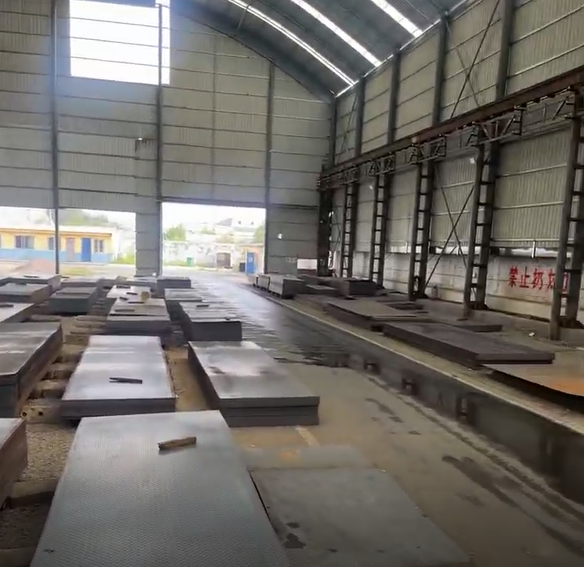
Analyzing Chemical Composition for Carbon Steel Quality
The Role of Carbon Content in Steel Quality
The amount of carbon present plays a major role in how carbon steel behaves mechanically, and even tiny changes around 0.01 to 0.02 percent can make a real difference in performance characteristics. Steels with low carbon content, typically between 0.04 and 0.30 percent, tend to be very stretchy and work well for things like car body panels or other parts where shaping is important. On the flip side, when we look at high carbon steels ranging from 0.61 to 1.50 percent, these materials become much harder and resist wearing down over time. That's why they're often used for cutting tools and springs despite being harder to weld and not as tough under impact. A recent study published by ASTM back in 2023 showed something interesting too. Just adding an extra 0.25 percent carbon to structural beams caused their ability to stretch before breaking to drop by nearly a third, which really shows how sensitive ductility is to carbon levels.
Key Elements and Impurities Affecting Performance
The quality of steel depends heavily on what alloying elements get added during production plus any residual impurities that remain. Take manganese for instance, which typically ranges from about 0.30 to 1.65 percent in most steels. This element boosts tensile strength and helps fight against the problems caused by sulfur making steel too brittle. Then there's silicon, usually present between 0.15 and 0.35 percent. It works well for deoxidation processes and adds some protection against corrosion, though too much silicon can actually make machining operations more difficult. Sulfur and phosphorus content needs careful control since both should stay below 0.05 percent according to ASTM A572 standards. These impurities are really bad news for steel properties. When phosphorus goes above specs even slightly, notch toughness drops around 15% for every extra 0.01% present, which means the material becomes far more likely to crack suddenly when subjected to sudden impacts or stress.
Spectrometer Analysis for Accurate Composition Testing
The portable optical emission spectrometer (OES) has changed how we do chemical analysis right at the worksite, giving results that match laboratory standards within just 30 seconds flat. These machines can spot tiny amounts of elements like vanadium at levels as low as 0.002%. Vanadium plays a big role in refining grains inside pressure vessel steels, so being able to detect it accurately matters a lot for quality control. While X-ray fluorescence (XRF) equipment works well enough for most metal types, they struggle when it comes to measuring very low carbon content below 0.10%. That's why professionals still turn to OES technology when checking low alloy and carbon steel grades where getting the carbon numbers right is absolutely critical for safety and performance requirements across industries from manufacturing to construction sites.
Meeting ASTM Standards: A36, A572, and Other Grades
| ASTM Grade | Carbon Max (%) | Key Application |
|---|---|---|
| A36 | 0.29 | Bridges, buildings |
| A572 Gr 50 | 0.23 | Heavy equipment |
| A588 | 0.19 | Weathering-resistant structures |
These specifications reflect deliberate trade-offs between strength, weldability, and atmospheric resistance. For example, A588’s lower carbon content supports improved weldability while enabling the formation of a protective oxide layer in outdoor environments.
Why Chemical Fingerprinting Is the First Step in Quality Verification
Each steel batch gets its own unique chemical signature through fingerprinting techniques, which stops those dreaded material mix ups that can cause expensive failures down the line. The Ponemon Institute reported back in 2023 that mistakes in material certification are costing American manufacturers around $740k every year. That's pretty staggering when you think about it. Chemical analysis methods spot composition problems roughly 30 percent quicker compared to old fashioned manual inspections, stopping issues such as weld cracks or parts wearing out too soon before they even happen. Standards bodies require complete traceability from when the raw materials first arrive all the way through to installation on site according to ASTM E1479-99 specifications. This creates a paper trail that keeps everyone accountable throughout the whole supply chain process.
Evaluating Mechanical Properties Through Standardized Testing
Tensile Testing: Measuring Yield and Tensile Strength
Tensile testing is really important when it comes to evaluating materials mechanically, especially for figuring out how carbon steel responds when stretched or compressed along its axis. According to ASTM E8 guidelines, we basically measure two key points during these tests: first, the yield strength where the material starts to deform permanently, and second, the tensile strength which tells us the maximum stress the steel can handle before breaking apart completely. Most structural carbon steels fall somewhere between 36 thousand to around 50 thousand pounds per square inch for their yield strength, while their tensile strength usually goes above 58 thousand psi. The equipment used needs careful calibration too, applying strain at rates between 0.015 and 0.15 inches per inch per minute so that results stay consistent whether we're comparing different production runs or labs across town. Getting this right matters a lot for quality control in manufacturing settings.
Assessing Ductility Through Elongation Testing
Elongation measures how much a piece of steel can stretch before breaking, usually given as a percentage of its original length after it fractures. Good quality carbon steel keeps decent flexibility even when it's really strong. Take ASTM A572 Grade 50 for example this common material often shows around 20 to 30 percent elongation. The importance becomes clear during manufacturing operations like bending metal sheets or forming parts through rolling machines. When steel isn't ductile enough, cracks tend to form especially problematic during stress situations or earthquakes where materials experience sudden forces they weren't designed to handle.
Hardness Testing as a Proxy for Durability
The Rockwell (HRB) and Brinell (HB) hardness tests give us an idea about how well materials resist wear and how easy they are to machine. Most structural carbon steel plates fall somewhere between HRB 70 to 90 on these scales, which strikes a good compromise between lasting surface integrity and being able to weld them effectively. Studies have shown that when hardness goes up by around 15 to 20%, there's noticeably less abrasive wear on parts used in mining equipment. This makes sense why manufacturers rely so much on hardness measurements when predicting how long components will last under tough conditions where wear is a constant concern.
Best Practices in Comprehensive Mechanical Evaluation
- Multi-test correlation: Combine tensile, elongation, and hardness data to identify anomalies that single tests might miss.
- Sample frequency: Test 10% of each production lot, increasing sampling for safety-critical uses such as bridge girders or pressure containment systems.
- Environmental controls: Conduct tests at controlled temperatures (68–77°F) to comply with ASTM requirements and minimize thermal variability.
Third-party labs operating under ISO/IEC 17025 accreditation reduce assessment bias by 43% compared to internal testing facilities (Ponemon 2023), enhancing confidence in compliance outcomes.
Case Study: Structural Failure Due to Substandard Mechanical Properties
A bridge retrofit went south in 2022 after testing showed A36 steel beams actually had a yield strength of just 28,200 psi, falling short by around 22% from the required 36,000 psi minimum. Looking into why this happened, engineers discovered problems at the rolling mill where temperature inconsistencies messed up carbon distribution throughout the metal, ultimately compromising the steel's internal structure. This disaster prompted major changes across the industry. Now companies must submit detailed mill test reports (MTRs) containing trackable mechanical data whenever they deliver structural steel. The whole mess underscored how critical it is to actually verify what specs claim about material strength before trusting them for real world applications.
Interpreting Mill Test Reports (MTR) for Compliance and Authenticity
What Is a Mill Test Report and Why It Matters
The Mill Test Report (MTR) acts like a detailed fingerprint for materials, showing what chemicals they contain, how strong they are, and where they came from during production. When businesses buy materials for their operations, these reports serve as official proof that everything meets standards set by organizations like ASTM or ISO. If companies don't have proper MTR documentation, they could end up using substandard materials in important projects. This isn't just a paperwork issue either. Real problems happen when buildings collapse or pipes burst because the steel wasn't what it was supposed to be. The consequences can be disastrous across many industries including oil and gas pipelines as well as commercial building developments.
Key Data Points: Tracing Chemical and Mechanical Verification
Every credible MTR includes three core components:
- Chemical composition: Verified percentages of carbon, manganese, sulfur (≤0.05% for weldable grades), and other alloying or residual elements
- Mechanical properties: Results from standardized tensile tests, including yield strength (e.g., ≥36 ksi for A36) and elongation values
- Traceability codes: Unique heat numbers and purchase order identifiers enabling full supply chain auditing
Industry leaders increasingly require cross-validation of MTRs with independent spectrometer analysis results to deter material substitution and counterfeiting. This dual verification layer strengthens integrity assurance in high-risk sectors.
Ensuring Certification and Traceability in B2B Procurement
Progressive suppliers now integrate QR codes into MTRs, linking to secure digital repositories for instant authentication. Buyers should prioritize vendors with:
- ISO 9001-certified quality management systems
- Third-party audited test reporting processes
- Compliance with EN 10204 3.1 traceability protocols
In 2023, a major refinery avoided $2 million in rework by rejecting a shipment of falsely labeled “ASTM A572” plates after discrepancies in chemical fingerprints were detected during MTR review. As a result, 89% of engineering firms now require digital MTR validation in procurement agreements, reflecting a shift toward data-driven material assurance.
Field-Ready and Advanced Methods for Carbon Steel Identification
Non-Destructive vs. Destructive Testing: Pros and Cons
Non destructive testing or NDT includes methods such as ultrasonic testing and magnetic particle inspection that let engineers check components without causing damage. These are really useful when inspecting equipment still in service or parts that are absolutely critical to operations. The downside is that sometimes NDT misses problems beneath the surface that can only be seen if we actually destroy the sample through methods like tensile strength tests or macro etch analysis. Destructive testing gives us much more complete information about how materials behave under stress, but obviously requires destroying actual samples which makes it impractical for companies dealing with thousands of units at once. Most smart manufacturers find a middle ground by using both types of testing together, especially when working on projects where failure isn't an option.
Portable Spectrometers and On-Site Verification Tools
Portable spectrometers let workers get quick and reliable elemental readings right on site, often measuring carbon content with an accuracy range of plus or minus 0.02%. These handheld tools are a big improvement over older optical emission systems since they need almost no prep work on metal surfaces and give results in just 2 to 3 seconds flat. But there's one catch worth mentioning. A recent study from last year found that when not properly calibrated, these devices tended to report higher manganese levels than actual in about a third of all tests, sometimes by as much as 15%. The good news? Regular checks against known standards makes a world of difference. Manufacturers who incorporate this practice into their quality control routines find themselves far less likely to accidentally accept fake or incorrectly labeled steel shipments at the receiving dock.
Rapid Field Techniques for Immediate Quality Assessment
Three practical field methods support preliminary quality screening:
- Spark testing: Observing spark patterns—low-carbon steels produce long, straight sparks; high-carbon variants create dense, branching streams—helps differentiate grades quickly
- File hardness testing: If a standard file slides off the surface without biting, it suggests excessive hardness (>50 HRC), possibly due to improper heat treatment
- Density measurement: Using water displacement, deviations from the standard density of 7.85 g/cm³ can reveal adulterated or substituted materials
Though not substitutes for laboratory analysis, these techniques allow immediate rejection of suspect materials, serving as valuable first-line defenses in time-sensitive construction and repair operations.
FAQs
-
What is the impact of carbon content on steel quality?
Carbon content greatly influences the mechanical behavior of steel, with low carbon content enhancing ductility and high carbon content increasing hardness. -
Why is spectrometer analysis important in steel testing?
Spectrometer analysis provides accurate chemical composition results quickly, crucial for ensuring material quality and meeting industry standards. -
How do Mill Test Reports (MTRs) ensure material compliance?
MTRs verify chemical and mechanical properties and provide traceability, ensuring materials meet specified standards and prevent substandard usage. -
What is the advantage of using both non-destructive and destructive testing methods?
Combining both testing methods ensures comprehensive evaluation of materials, detecting surface and internal defects, essential for critical applications.