 EN
EN

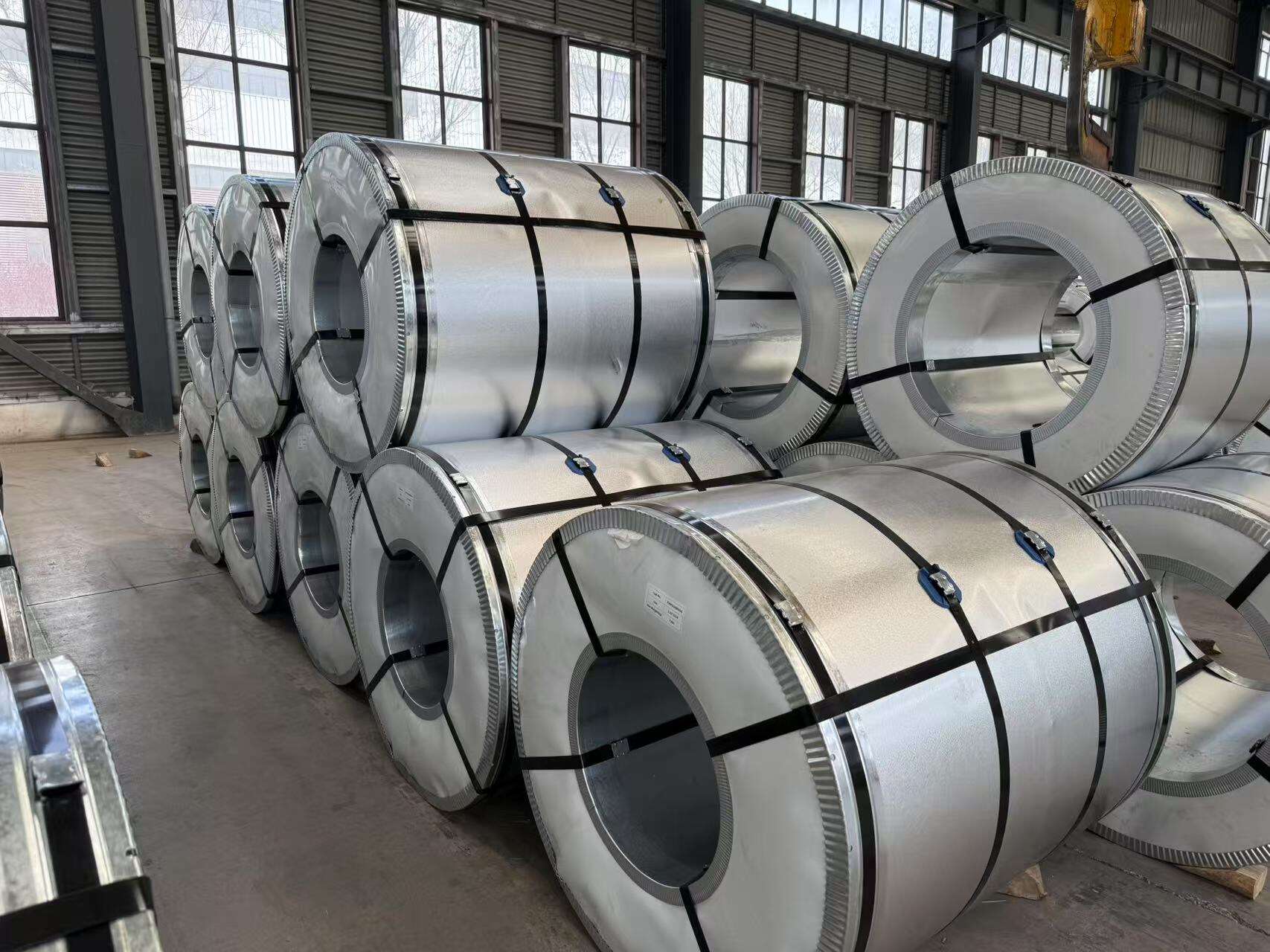
The Galvanization Process: How Zinc Coating Is Applied and Bonded
Definition of Galvanized Steel and Its Industrial Significance
Galvanized steel is carbon steel coated with zinc, typically through hot-dip galvanizing. This process delivers durable corrosion resistance essential for infrastructure, automotive parts, and agricultural machinery. Over 80% of structural steel in coastal construction uses galvanization to resist humidity and salt, cutting long-term maintenance costs by 60% compared to untreated steel.
Hot-Dip Galvanizing Steps: Cleaning, Fluxing, Dipping in Molten Zinc, and Cooling
First things first, they clean the metal using an alkaline solution to get rid of all those pesky oils and dirt on the surface. Then comes the pickling stage where hydrochloric acid does its thing to strip away the mill scale that forms during production. Once everything's rinsed off properly, time for flux application usually involving zinc ammonium chloride mixture. This step helps stop oxidation from happening while preparing the steel for what's next. The real action happens when it goes into molten zinc around 450 degrees Celsius or so, roughly equivalent to 842 Fahrenheit if we're being precise about temperatures. Depending on thickness and other factors, this dipping process typically takes between four to ten minutes. During this time, something magical occurs at the molecular level creating that strong bond between zinc and steel. Finally, letting it cool naturally in air completes the process, helping stabilize those crystal structures in the protective coating that makes hot dip galvanizing such an effective corrosion protection method.
Formation of Zinc-Iron Alloy Layers During the Galvanizing Process
During immersion, zinc reacts with iron to form intermetallic alloy layers:
- Gamma layer (75% Zn, 25% Fe) – nearest the base steel
- Delta layer (90% Zn, 10% Fe) – intermediate phase
- Zeta layer (94% Zn, 6% Fe) – adjacent to the outer pure zinc layer
These layers create a hardness gradient 5–7 greater than pure zinc, offering excellent abrasion resistance while maintaining flexibility.
Zinc Coating Thickness and Adherence Standards (ASTM, ISO)
ASTM A123 and ISO 1461 specify minimum coating thickness based on steel thickness:
| Steel Thickness (mm) | Minimum Zinc Coating (µm) |
|---|---|
| <1.5 | 45 |
| 1.5–3.0 | 55 |
| >3.0 | 85 |
Adhesion is verified under ASTM B571, requiring coatings to withstand 2–6 N/mm² of shear stress without delamination. These standards support service lives of 25–50 years in moderate environments.
Barrier Protection: How the Zinc Coating Shields Steel from Environmental Exposure
Blocking Moisture and Oxygen to Prevent Corrosion Initiation
Zinc coatings work as barriers between steel and things that cause rust like moisture, oxygen, and various pollutants. When this contact is blocked, those chemical reactions that start the rusting process just don't happen. Tests show real results too. Steel with zinc protection corrodes at about half the rate of regular steel when exposed to humidity, according to standards outlined in ASTM A123-24. This makes a big difference in practical applications where metal surfaces are constantly battling environmental factors.
Effectiveness of Barrier Protection in Early-Stage Corrosion Resistance
For the first 5–15 years, barrier protection accounts for over 90% of galvanized steel’s performance. The intact coating resists urban pollution and rain exposure effectively. Salt spray testing shows it outperforms organic paint coatings by 3–5 times during initial service phases.
Limitations Under Mechanical Damage or Prolonged Weathering
When coatings get scratched up, worn down by abrasion, or hit with strong UV rays over time, their protective barrier starts to break down. This becomes a real problem along coastlines where saltwater carries chloride ions that find their way into these weakened spots, which then speeds up the corrosion process in specific areas. Take road safety as an example Galvanized guardrails located near busy highways tend to show signs of wear about 23 percent quicker compared to similar structures placed in sheltered positions away from traffic. That's why regular checks are so important for buildings and infrastructure sitting in harsh conditions, plus adding extra layers of protection makes sense too when dealing with such challenging environmental factors.
Key Takeaway: While barrier protection dominates early performance, its effectiveness depends on coating integrity and environmental severity.
Sacrificial (Cathodic) Protection: Why Zinc Corrodes First to Preserve Steel
Galvanic Coupling: Electrochemical Basis of Zinc as a Sacrificial Anode
Zinc is more electrochemically active than steel—approximately 0.32 volts more anodic—creating a natural galvanic cell when both metals are connected. In corrosive settings, zinc becomes the sacrificial anode, corroding preferentially and protecting the underlying steel through electron transfer.
Protection of Cut Edges and Scratches Through Electron Transfer
Zinc keeps protecting steel even if the coating gets damaged somehow. What happens is electrons move from the zinc around it to the actual steel surface, creating kind of a shield against corrosion. According to some recent numbers from NACE in 2023, a small scratch measuring just 2mm deep on galvanized steel will lose roughly 85 percent less material compared to regular unprotected steel after five whole years. The protective effect lasts as long as there's still zinc available nearby to keep doing its job.
Limitations in High-Resistivity Environments Like Dry or Alkaline Soils
In dry soils with resistivity above 5,000 Ω·cm, cathodic protection drops by 70% due to insufficient electrolyte conductivity (ASTM G162). Similarly, highly alkaline conditions (pH > 12) induce passivation, forming a non-conductive layer on zinc that halts electron flow and leaves steel vulnerable to pitting.
Case Studies: When Cathodic Protection Fails—Corrosion in Aggressive Alkaline Conditions
A 2022 study of galvanized rebar in concrete with pH 13.5 found that zinc dissolution stopped within 18 months, leading to steel corrosion rates of 0.8 mm/year—eight times higher than in neutral environments. Such cases require additional protection strategies like epoxy coatings or stainless alloy integration.
Zinc Carbonate Patina: The Self-Protecting Layer for Long-Term Durability
Atmospheric corrosion stages: From zinc oxide to zinc hydroxide
Upon atmospheric exposure, the zinc surface rapidly oxidizes, forming a thin zinc oxide (ZnO) layer 2–4 μm thick within 48 hours, as documented in a 2023 study on atmospheric reactions. When moisture is present, this converts into zinc hydroxide (Zn(OH)₂), setting the stage for further stabilization.
Conversion to stable zinc carbonate patina over time
Zinc hydroxide gradually reacts with atmospheric CO₂, transforming into insoluble zinc carbonate (ZnCO₃). Under moderate humidity (RH 60–75%), this conversion reaches 90% completion within six months. The resulting patina is dense, chemically stable, and self-repairing, outperforming temporary coatings like paint by 8–12 years in outdoor durability tests.
How the patina enhances long-term corrosion resistance
Zinc corrosion slows down quite a bit in temperate regions where the patina forms naturally. Studies show corrosion rates drop to around 0.1 microns annually when tested under simulated weather conditions. What makes this really important is how the protective layer works even when damaged. The surrounding zinc actually moves towards any exposed spots, keeping the steel protected by transferring electrons. This two part protection system means maintenance expenses stay about 92 percent lower throughout a 25 year period than what we see with regular steel that has no coating at all.
Environmental factors affecting patina formation (CO₂, humidity, pollutants)
Optimal patina development requires:
- CO₂ concentration: ≥ 400 ppm (typical urban levels)
- Humidity: Cyclical wet-dry exposure (RH 40–85%)
- Pollutants: Sulfur dioxide below 50 μg/m³
Marine environments with high chloride deposits (>1,000 mg/m²) delay patina formation by 18–24 months, while acid rain (pH <4.5) in industrial zones may dissolve the layer prematurely.
Performance in Harsh Environments and Real-World Applications of Galvanized Steel
Impact of Chloride Ions on Galvanized Steel in Marine and Coastal Areas
Despite high chloride exposure, galvanized steel performs well in marine environments. The zinc coating reacts with chlorides to form zinc hydroxychloride, a protective compound that slows degradation. Service life ranges from 20–50 years in coastal applications, far exceeding the 5–10 years typical for untreated steel under similar conditions.
Corrosion Resistance Comparison: Galvanized vs. Painted and Stainless Steel
Galvanized steel stands out when compared against painted steel, which tends to chip easily and can suffer from undercutting issues, or stainless steel that often develops pits when exposed to chlorides. The galvanization process creates a consistent protective layer that bonds directly to the metal surface. Laboratory salt spray testing shows these coatings typically outlast their epoxy painted counterparts by around three to five times. Stainless steel alloys do handle certain chemicals pretty well, no doubt about it. But let's talk numbers: manufacturers usually find themselves paying two to four times the price per ton for similar structural applications. That makes a big difference in budget planning for many construction projects.
Case Study: Longevity of Galvanized Steel in Highway Infrastructure
A 2023 analysis of Florida’s I-95 guardrails showed only 12% surface rust after 25 years of exposure to road salts, humidity, and thermal cycling. Non-galvanized alternatives required replacement within 8–12 years, underscoring galvanizing’s economic and operational advantages in transportation infrastructure.
Growing Use in Sustainable Construction Due to Low Maintenance Needs
Galvanized steel lasts anywhere from 50 to 75 years in most temperate regions, which definitely ticks the boxes when it comes to sustainable building materials that require minimal upkeep. The fact that these structures don't need frequent recoating means they produce around 40 percent fewer emissions over time compared to buildings that get repainted regularly. Lifecycle studies on green infrastructure back this up pretty consistently across different environments. Because galvanized steel stands the test of time and can be recycled multiple times, many architects specify it for their LEED certified projects where they want framing systems that won't fall apart after just a few decades.
FAQ Section
What is the purpose of galvanizing steel?
Galvanizing steel involves coating it with zinc to provide durable corrosion resistance, which is essential for maintaining the integrity and longevity of structures and machinery.
How is zinc applied to steel in the galvanization process?
Zinc is applied through a hot-dip process where the steel is cleaned, fluxed, dipped into molten zinc, and allowed to cool, forming a strong metallic bond.
Why does zinc protect steel even if the coating is scratched?
Zinc acts as a sacrificial anode, continuing to protect the steel by electron transfer, which shields the steel from corrosion even when the coating is damaged.
Does galvanized steel perform well in coastal areas?
Yes, despite high chloride exposure, the zinc coating forms protective compounds that slow degradation, resulting in a service life of 20–50 years in coastal applications.
Why is galvanized steel used in sustainable construction?
It's used due to its long lifespan (50-75 years), lower maintenance needs, and fewer emissions compared to other materials, making it ideal for sustainable building projects.
Table of Contents
- The Galvanization Process: How Zinc Coating Is Applied and Bonded
- Barrier Protection: How the Zinc Coating Shields Steel from Environmental Exposure
- Sacrificial (Cathodic) Protection: Why Zinc Corrodes First to Preserve Steel
- Zinc Carbonate Patina: The Self-Protecting Layer for Long-Term Durability
-
Performance in Harsh Environments and Real-World Applications of Galvanized Steel
- Impact of Chloride Ions on Galvanized Steel in Marine and Coastal Areas
- Corrosion Resistance Comparison: Galvanized vs. Painted and Stainless Steel
- Case Study: Longevity of Galvanized Steel in Highway Infrastructure
- Growing Use in Sustainable Construction Due to Low Maintenance Needs
- FAQ Section
- What is the purpose of galvanizing steel?
- How is zinc applied to steel in the galvanization process?
- Why does zinc protect steel even if the coating is scratched?
- Does galvanized steel perform well in coastal areas?
- Why is galvanized steel used in sustainable construction?