 EN
EN

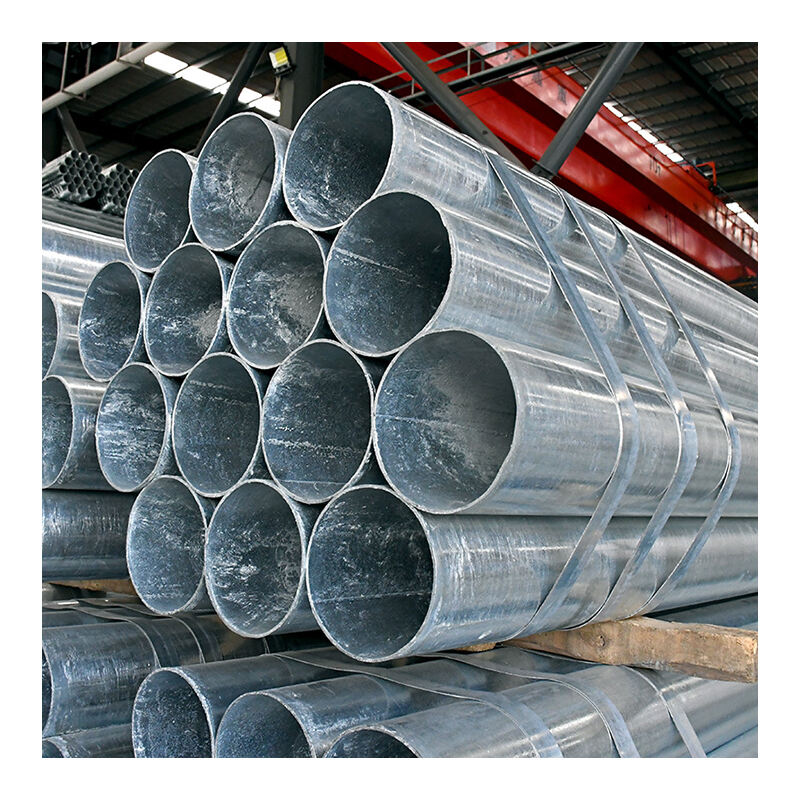
Understanding Nominal Pipe Size (NPS) and Galvanized Pipe Dimensions
What Is Nominal Pipe Size (NPS)?
The Nominal Pipe Size system, commonly known as NPS, serves as the standard measurement method throughout North America for classifying pipes according to their inside dimensions instead of measuring from the outside. Take for example a typical 2 inch galvanized pipe labeled NPS 2. While the inside might measure roughly 2 inches as expected, the outside actually measures around 2.375 inches because there's material needed for the pipe walls themselves. This kind of standard makes all the difference when it comes time to connect different parts of a water system. Plumbers can easily match up valves, elbows, tees and other fittings without worrying about mismatched sizes since everyone follows these same industry standards that have been in place for decades now.
How NPS Relates to Actual Diameter of Galvanized Pipe
The NPS number doesn't actually match what we see as the real outside diameter (OD) of pipes. When looking at pipes below NPS 14, manufacturers design them so their actual outside measurement is bigger than the nominal size through specific increments that help keep everything structurally sound. Take for instance a half inch NPS galvanized pipe which ends up measuring about 0.84 inches around, whereas a four inch NPS pipe will be closer to 4.5 inches when measured across. This standardization helps maintain consistent pressure ratings ranging from roughly 150 to 300 PSI because it allows different wall thicknesses depending on whether it's schedule 40 or schedule 80 piping. Makes sense really, since thicker walls can handle higher pressures safely.
Standard Galvanized Pipe Sizes Chart: From 1/2-Inch to 4-Inch NPS
Galvanized steel pipes follow predictable sizing standards for water supply applications:
| NPS | Actual OD (Inches) | Common Use Cases |
|---|---|---|
| 1/2-inch | 0.84 | Faucet connections, short runs |
| 3/4-inch | 1.05 | Branch lines, appliance feeds |
| 1-inch | 1.315 | Main household distribution |
| 2-inch | 2.375 | Municipal service lines |
| 4-inch | 4.5 | High-capacity water mains |
These dimensions, combined with Schedule 40 or 80 wall thicknesses, provide a balance of flow capacity and corrosion resistance, supporting long-term performance in both residential and municipal water systems.
Common Galvanized Pipe Sizes and Their Applications in Water Systems
Small-Sized Galvanized Pipes (1/2-Inch to 1-Inch) for Household Plumbing
In homes built prior to the 1960s, plumbers often installed pipes measuring between half inch and one inch nominal pipe size throughout the house. These standard sizes worked pretty well for getting water to all those bathroom fixtures like sinks, toilets, and showers without causing too much of a pressure loss along the way. The threaded connections on these old pipes made installation possible even in cramped areas behind drywall or beneath floorboards where space was at a premium. Most folks in the trade know that galvanized steel pipes generally last around four decades before needing replacement, but rust buildup inside the pipes tends to shorten their actual working life considerably while also making water flow slower through the system over time.
Medium-Diameter Pipes (1-1/4 to 2 Inches) for Branch Lines
Pipes made of galvanized steel in sizes ranging from 1 1/4 to 2 inches play important parts across water distribution systems. They're often used for branch lines that connect main supply lines to various fixtures around a building, vertical risers going through different floors in multi-story structures, and also show up frequently in commercial settings where water demand is naturally higher. These medium sized pipes can handle flow rates anywhere between 8 and 15 gallons per minute, striking what many plumbers consider a good middle ground between being able to move enough water and still being manageable during installation work. What makes them stand out though is the protective zinc layer on their surface, something that fights against scale accumulation problems so common in older plumbing setups that have been running for decades without proper maintenance.
Large Galvanized Pipes (2-Inch and Above) for Main Water Supply Lines
City governments and factories tend to go with galvanized pipes at least 2 inches in diameter when setting up main water lines because they hold up well over time and resist damage from being buried underground or exposed to harsh weather conditions. These bigger pipes are built to handle substantial water flow, typically pushing through more than 50 gallons per minute. That kind of capacity makes them perfect for critical applications like firefighting systems where quick access to water matters most, plus they work great in manufacturing plants needing constant supply and sprawling housing projects with lots of residents depending on reliable service.
Key Factors in Selecting the Right Galvanized Pipe Size for Water Supply
Water Pressure and Flow Rate Requirements
Getting the right pipe size matters a lot when it comes to keeping good water pressure and flow going through a home's plumbing system. For most houses, half inch galvanized pipes usually move around 4 to 6 gallons per minute at pressures between 40 and 60 psi. Larger one inch pipes can push out roughly 9 to 12 gallons per minute instead. When pipes are too big, water slows down too much which lets sediment build up over time. On the flip side, pipes that are too small often lead to pressure losses exceeding 15 percent, something that becomes really noticeable in homes with multiple floors. The American Society of Plumbing Engineers noted this in their 2022 guidelines for proper design practices.
Pipe Sizing Based on System Demand and Usage Patterns
Getting the right pipe size matters a lot for system performance. The diameter needs to match what's called peak water demand, which gets figured out based on how many fixtures will be used at once. For residential setups, most homes work fine with a 2 inch galvanized pipe that handles around 36 fixture units covering all those bathroom sinks, showers and toilets we see every day. But when things get bigger, like in commercial buildings or restaurants, plumbers typically go with 3 inch pipes since they need to handle up to 90 fixture units instead. And don't forget about continuous use situations either. These often call for even bigger pipes because smaller ones can develop problems over time from high velocity water flow causing corrosion issues especially under pressure conditions.
Impact of Internal Corrosion on Long-Term Performance
Galvanized pipes tend to shrink over decades as minerals and rust accumulate inside them, cutting down on water flow. The internal diameter can drop anywhere from half a millimeter to almost 1.5 mm after just 20 years of service, which means the water has to work harder to pass through. Engineers know this happens gradually, so they often install these older systems with extra room for error. That's why traditional galvanized setups are typically sized about 12 to 15 percent larger than what would be needed for newer piping options like copper or PEX tubing, since those materials don't suffer from the same kind of internal degradation issues.
Modern Availability and Alternatives to Galvanized Steel Pipes
Decline in New Galvanized Pipe Supply: Market Trends
Galvanized steel pipes for drinking water systems aren't what they used to be since the 1980s when production really started dropping off. Most companies these days are going after better options that save time and money. Sure, these old fashioned pipes could last around 40 years, but nobody wants to deal with all the work required to install them properly anymore. That's why we hardly see them in new homes being built today. Looking at recent numbers from the industry, galvanized pipes make up under 5% of all water line installations across North America. What little demand remains tends to stick mostly to older factories or remote farms where nothing else fits quite right.
Regional Variations in Galvanized Pipe Standards and Sizing
The way pipes are sized differs from country to country, which can create headaches when working on projects that cross international borders. In North America, most folks stick with ASME B36.10M when it comes to galvanized pipe sizes, whereas over in Europe they generally follow ISO 65:1981 guidelines. These standard differences lead to minor but important size variations between regions. Take a 2 inch nominal pipe size as an example. According to ISO standards, its outside diameter measures 60.3 millimeters, but in places following ASME specs, it actually comes out to 60.5 mm instead. Because of these small discrepancies, engineers need to pay close attention to specifications when dealing with installations that span multiple countries.
Common Replacements for Galvanized Pipes in New Construction
| Material | Key Advantages | Limitations |
|---|---|---|
| PEX | Freeze-resistant, flexible | UV-sensitive |
| Copper | Bacterial resistance | Higher material cost |
| CPVC | Chlorine-resistant | Temperature constraints |
As noted in the 2024 Plumbing Materials Guide, PEX is now used in 68% of residential retrofits due to its durability, ease of installation, and resistance to freeze damage. Copper remains the preferred choice for hot water systems despite higher costs, while CPVC is selected for specialized environments involving aggressive chemicals.
FAQ
What is Nominal Pipe Size (NPS)?
Nominal Pipe Size (NPS) is the standard measurement used in North America to classify pipes based on their inside dimensions rather than outside dimensions.
What are common sizes for galvanized pipes?
Common sizes for galvanized pipes include 1/2-inch, 3/4-inch, 1-inch, 2-inch, and 4-inch nominal pipe size (NPS) pipes.
Why is it important to choose the right pipe size?
Choosing the correct pipe size helps in maintaining proper water pressure and flow rates, preventing pressure loss and sediment buildup within the piping system.
What are alternatives to galvanized steel pipes?
Alternatives include PEX, copper, and CPVC pipes, which offer different advantages like freeze resistance, bacterial resistance, and chlorine resistance respectively.