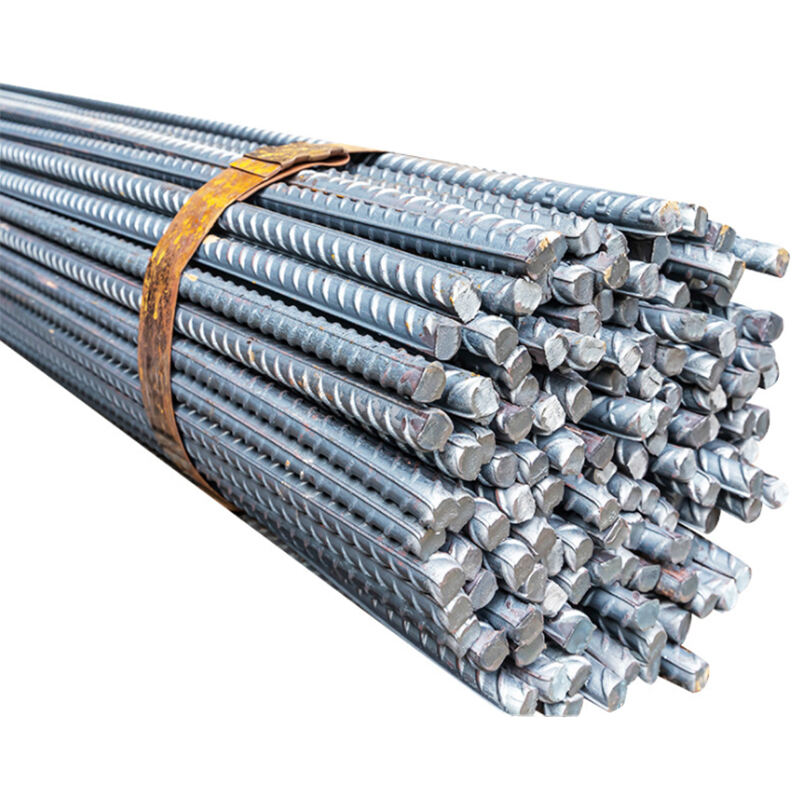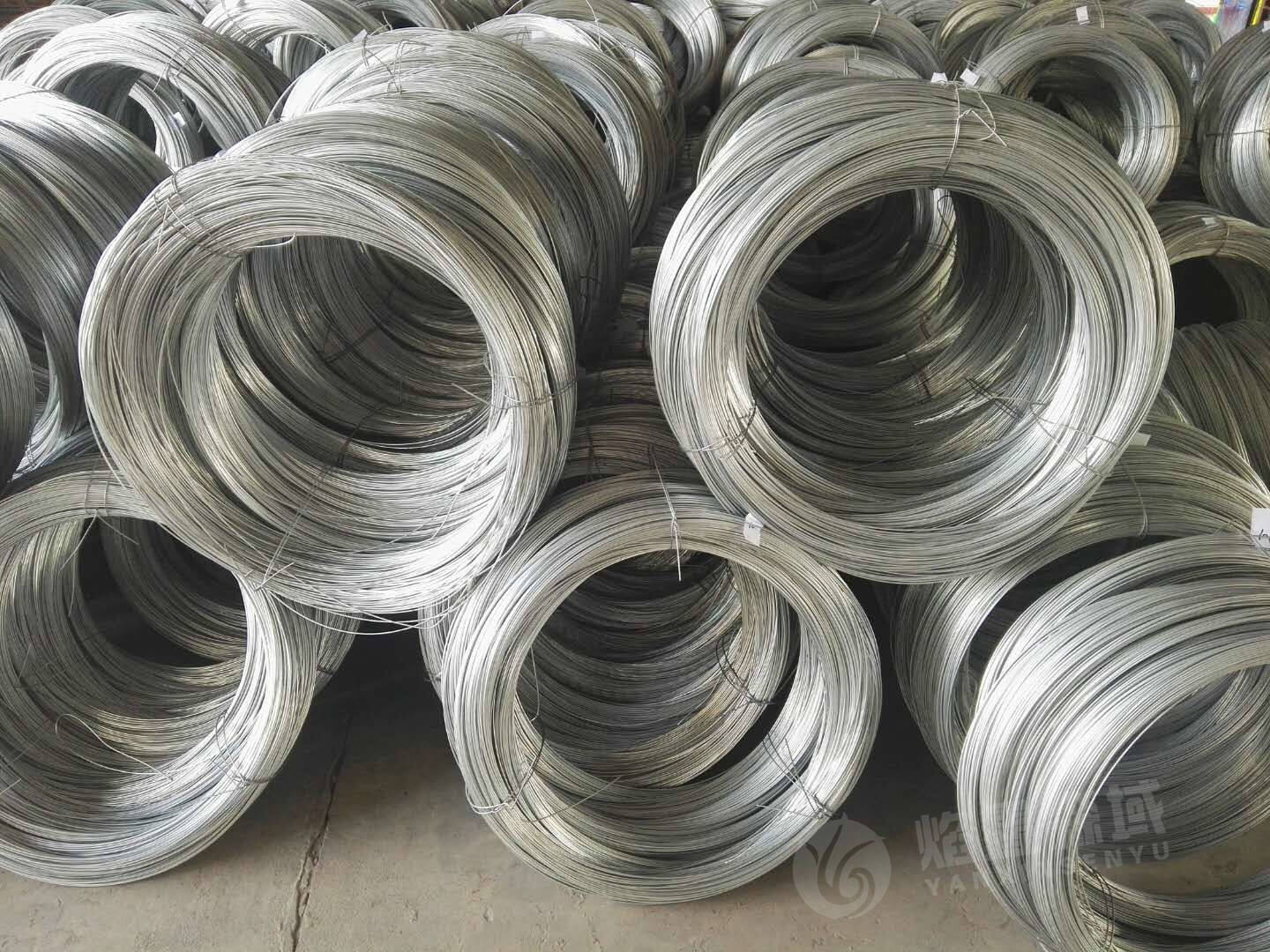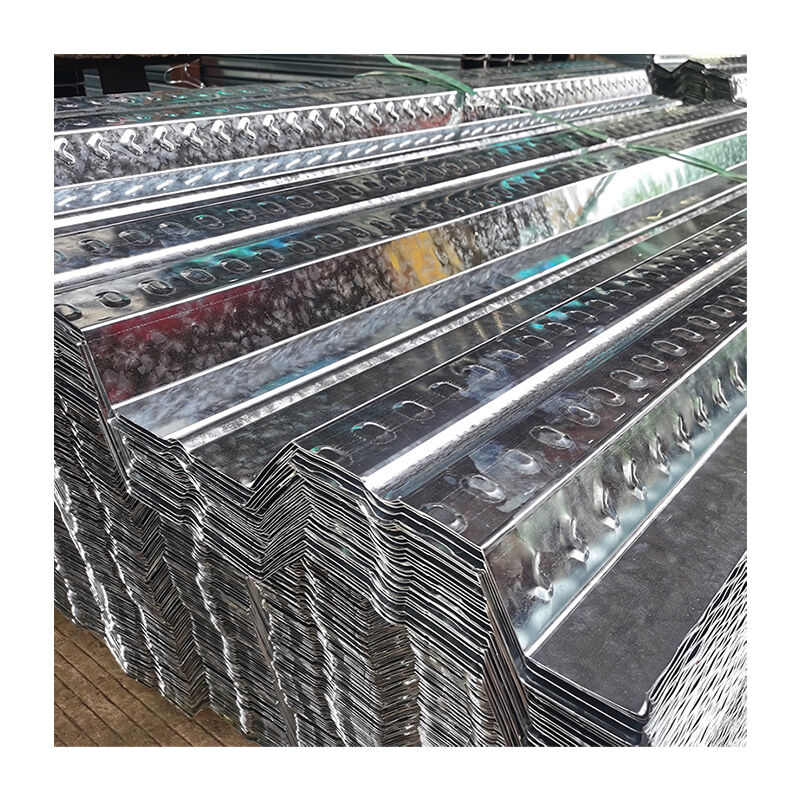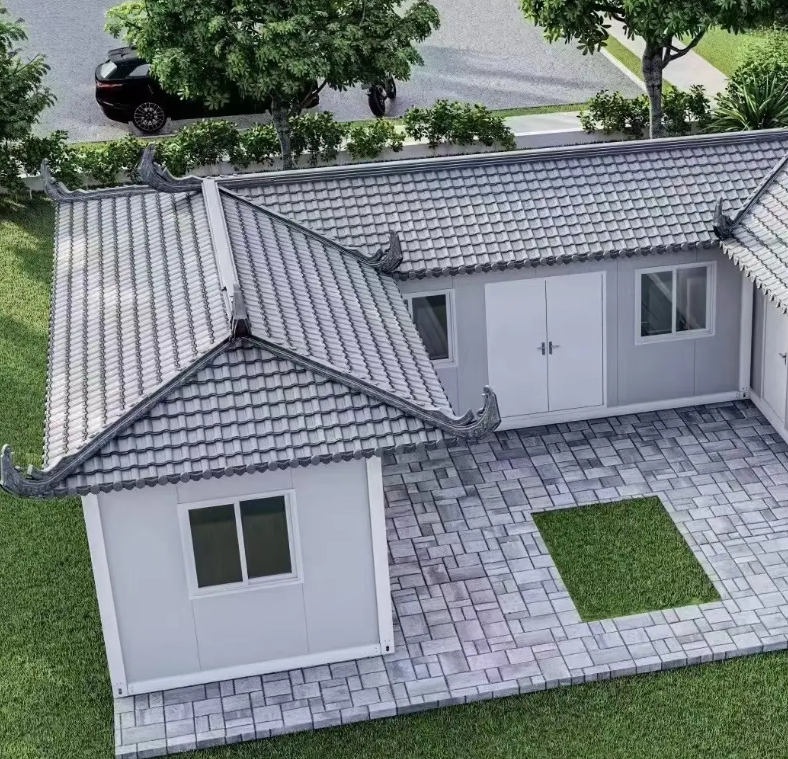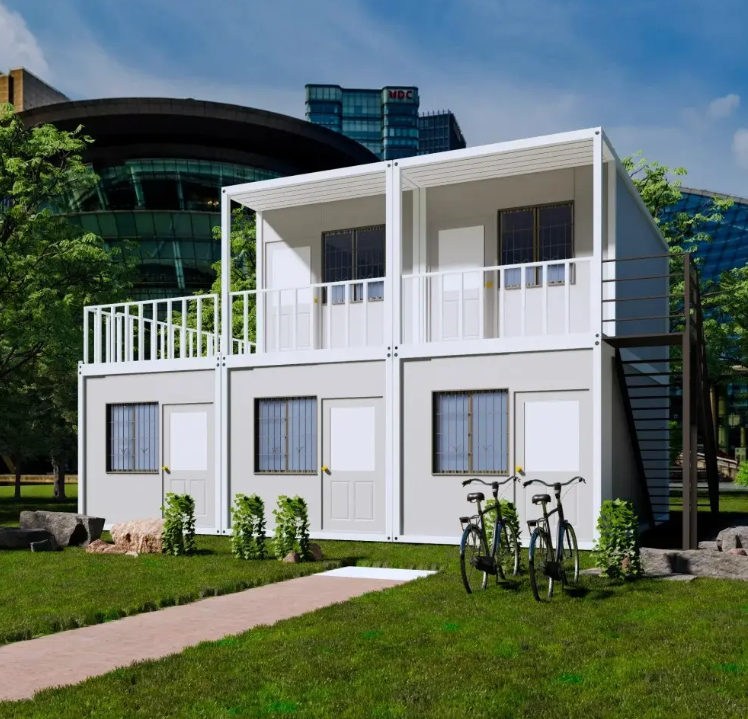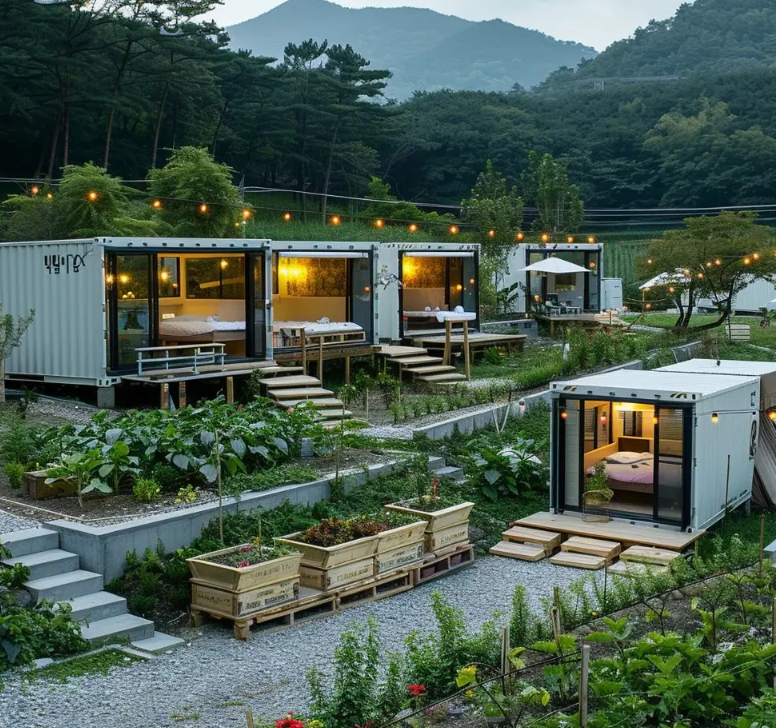
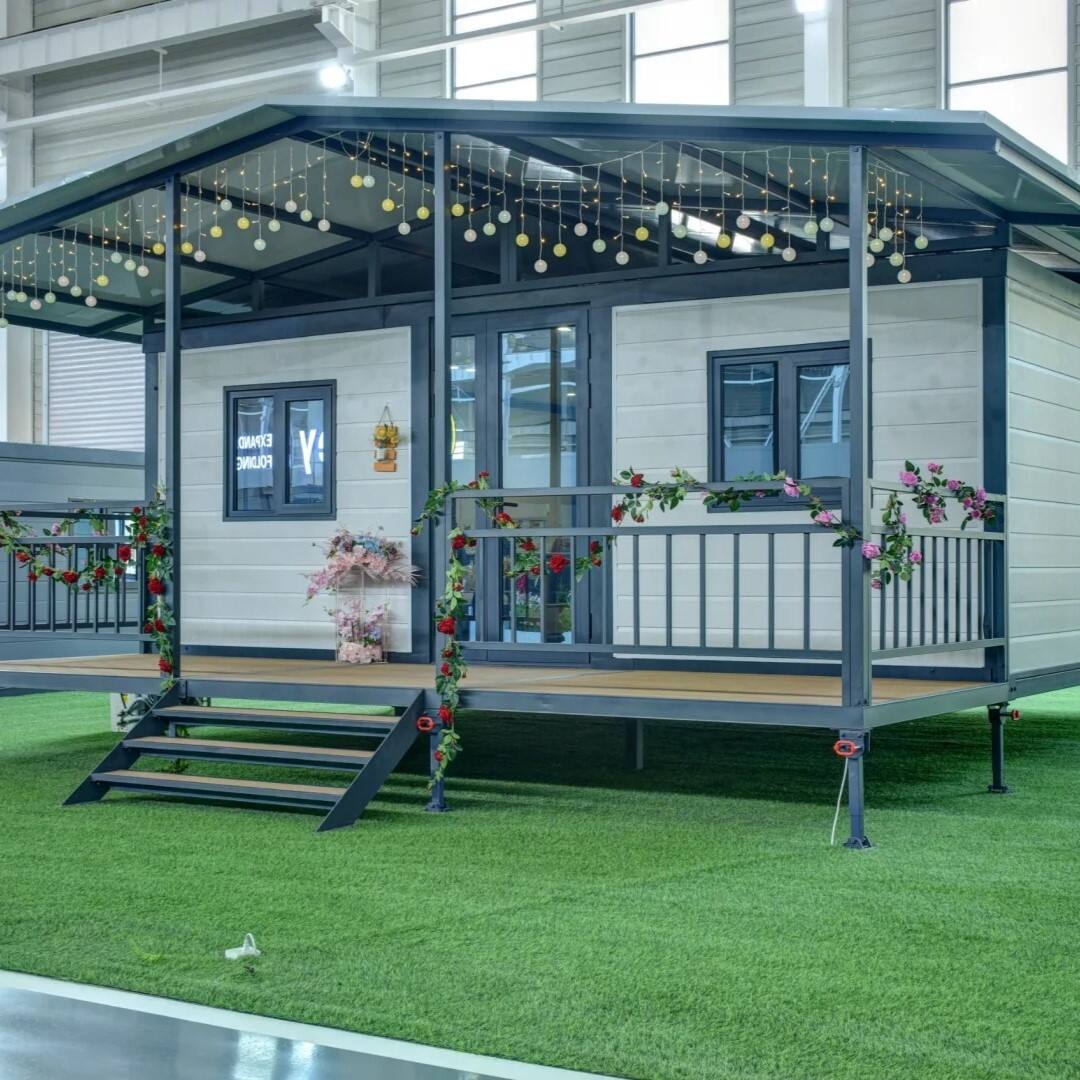
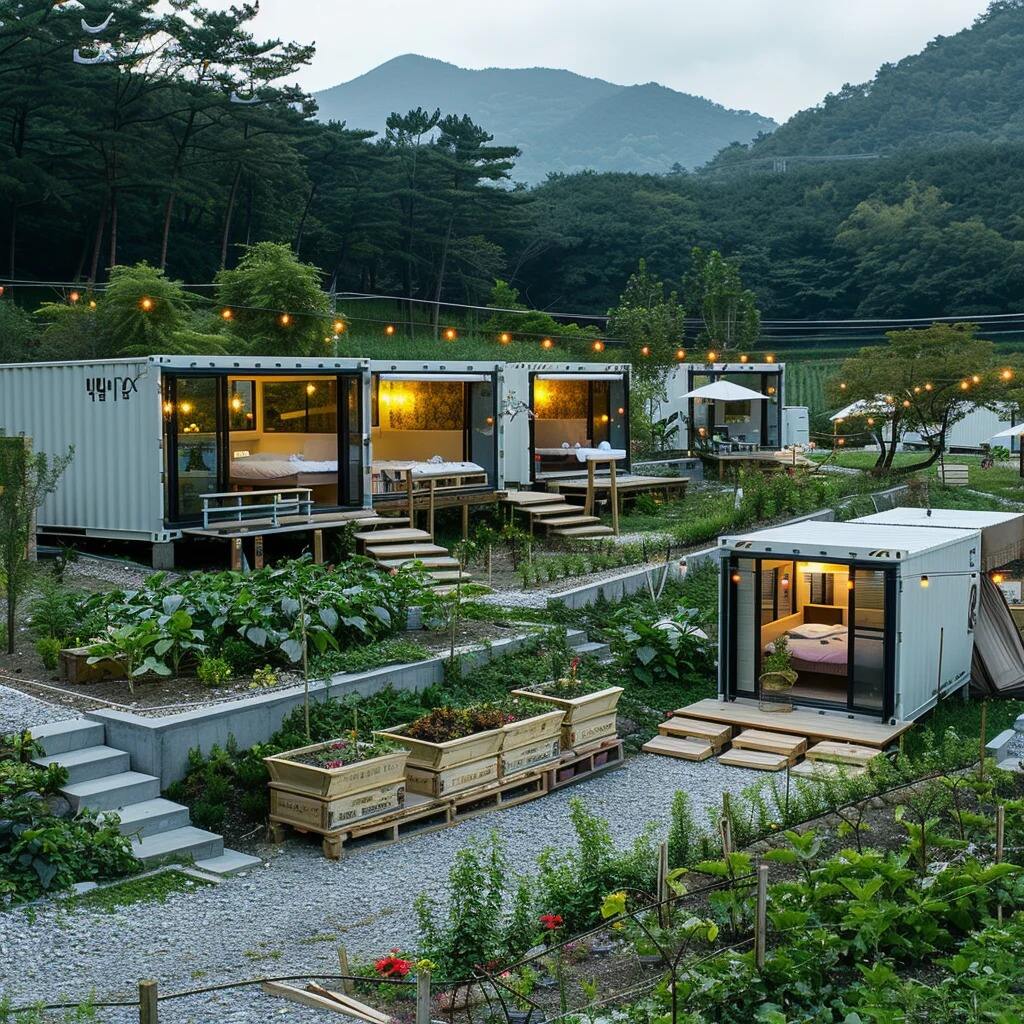
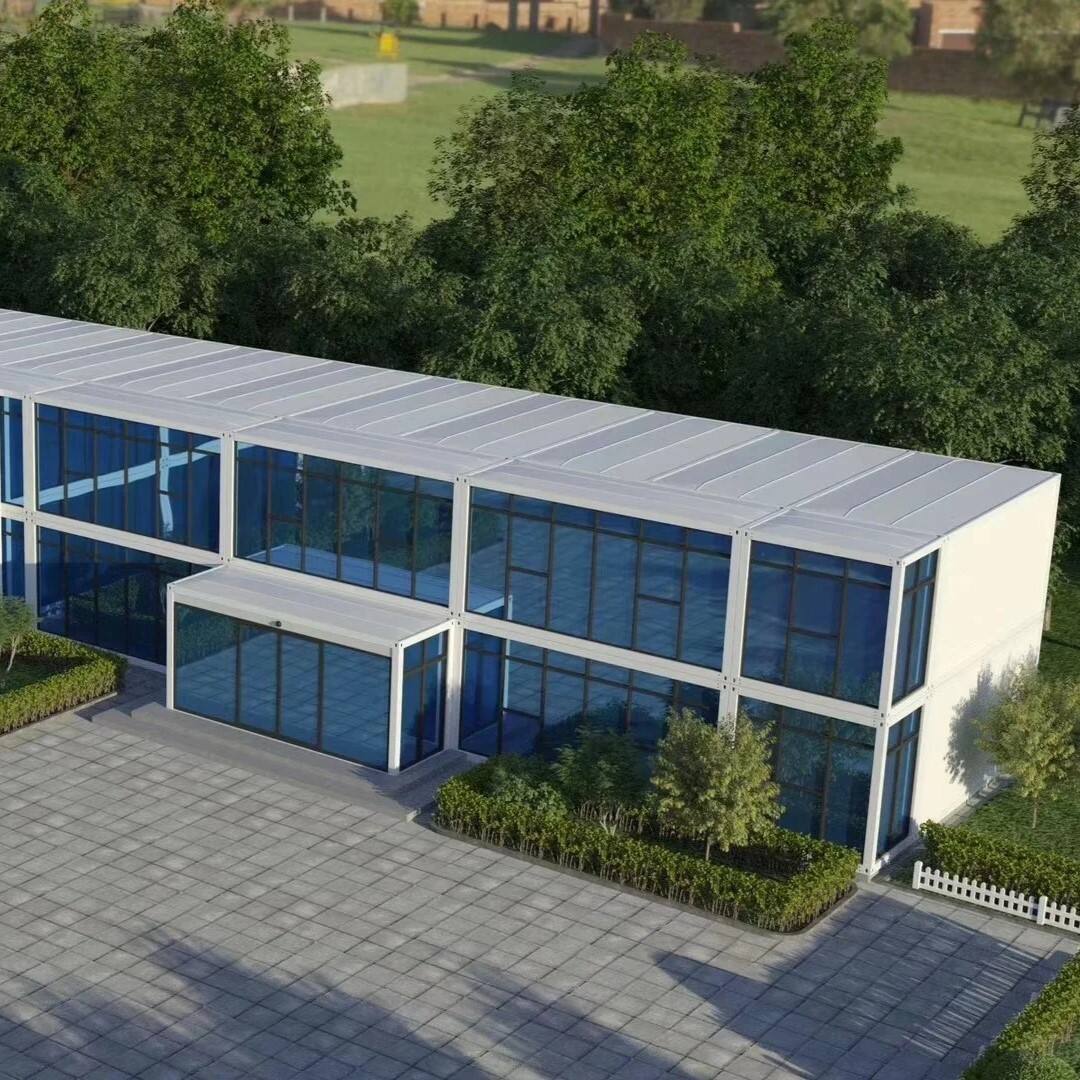
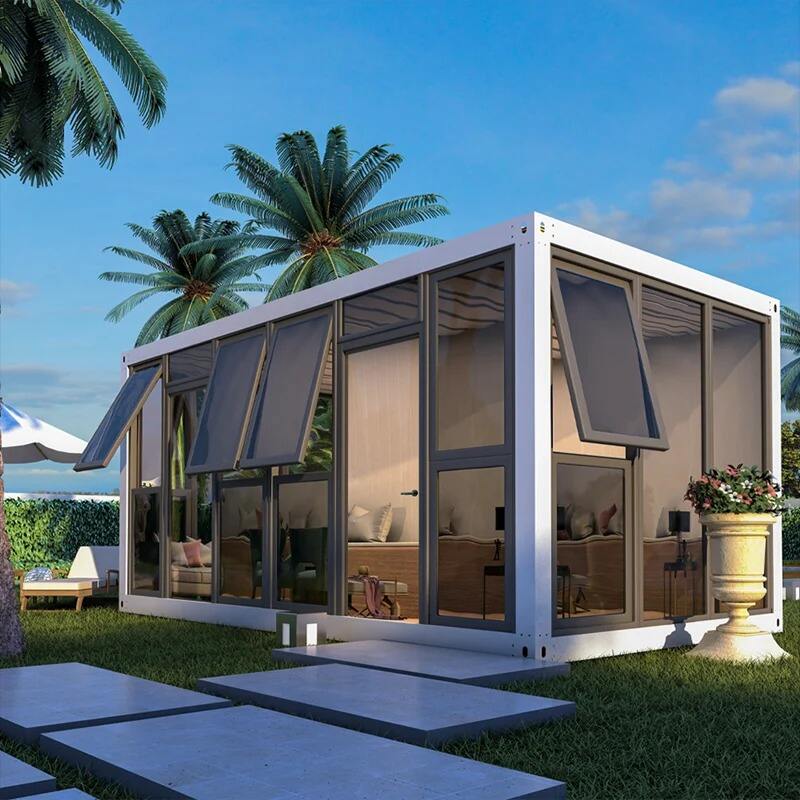
Songchen Steel’s prefab container houses are a green and environmentally friendly building product, which conforms to the global sustainable development concept and has important environmental and economic benefits. The raw materials used in the product are all recyclable steel, and the recycling rate of the product reaches more than 80% after the end of its service life, which can effectively reduce the consumption of natural resources and the generation of construction waste. The production process of the prefab container house adopts clean production technology, with no waste water, waste gas and solid waste discharge, complying with the national environmental protection standards. The product has a small carbon footprint in the whole life cycle, from raw material production, product manufacturing to on-site installation and use, the total carbon emission is far lower than that of traditional buildings, in line with the global "double carbon" development goal. In the green construction demonstration project in Singapore, the company’s prefab container houses are used as the main temporary building of the project, and the product’s green and environmental protection performance has been highly recognized by the project owner and the local environmental protection department, and the project has won the Singapore Green Building Council’s green construction certification. The prefab container houses can be reused for many times, and a single product can be used in more than 5 projects, greatly reducing the construction cost and environmental pollution of each project. The company is committed to the research and development of green and low-carbon prefab container house products, and has developed a new type of prefab container house with bamboo fiber composite board as the internal decoration material, which is more environmentally friendly and low-carbon, and has better thermal insulation and sound insulation performance. The prefab container houses have the advantages of energy saving and emission reduction in the use process, and the energy consumption per unit area is only 1/3 of that of traditional temporary buildings, which can effectively reduce the operating cost and carbon emission of the building.