 EN
EN

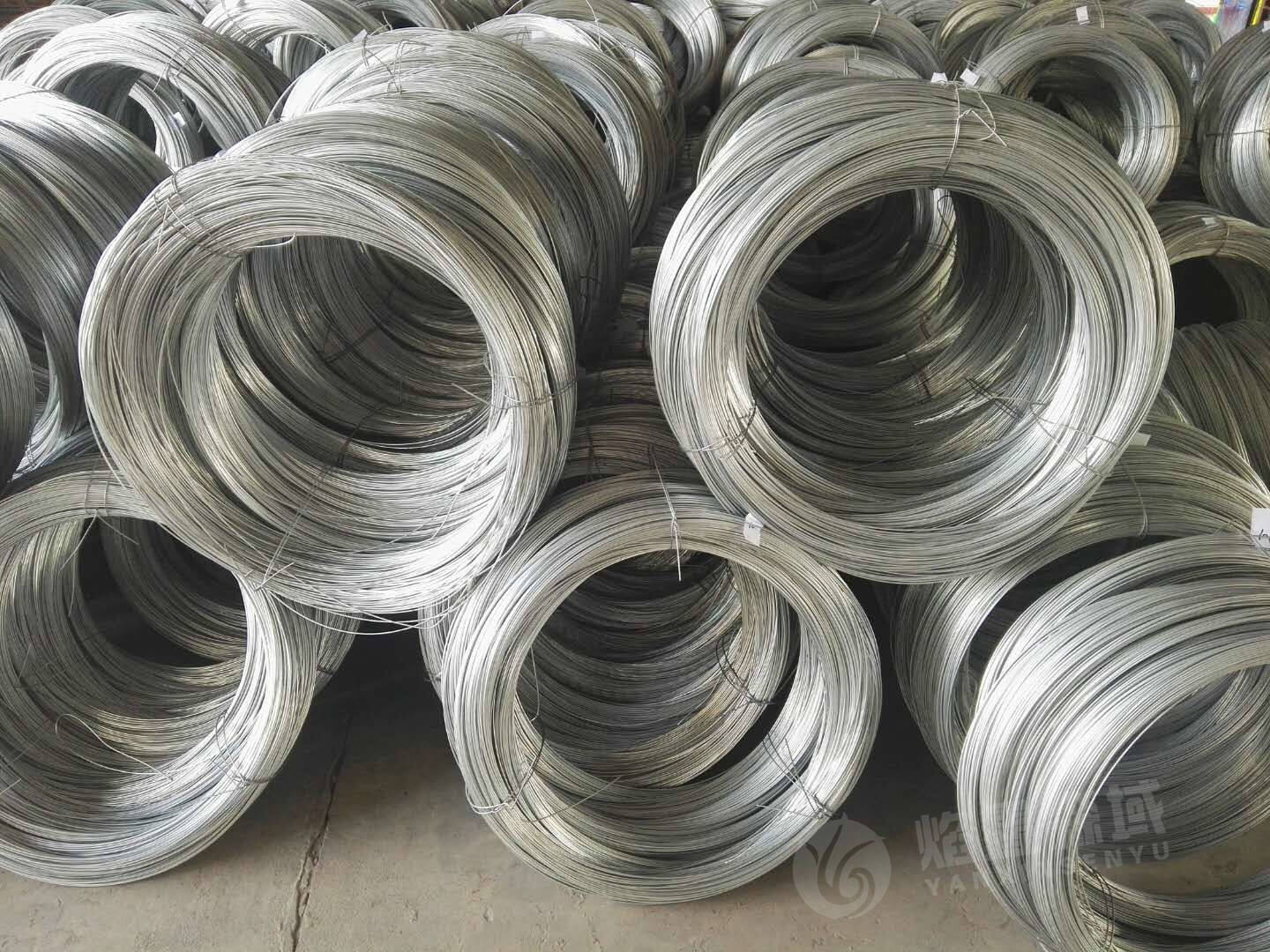
What Is Galvanized Wire and How Is It Made?
Definition and Basic Composition of Galvanized Wire
Galvanized wire basically consists of steel wire covered in zinc to prevent rust and corrosion problems. What makes this coating special is that it serves two purposes at once. First, it creates a protective shield against moisture. Second, the zinc actually sacrifices itself chemically when exposed to harsh environments, which helps protect the steel underneath from getting damaged over time. Most often, manufacturers make this type of wire from low carbon steel because it offers good strength while still being flexible enough for various applications. After going through the galvanization process, these wires tend to survive for many years even under tough outdoor conditions. They combine the solid nature of steel with the protective qualities of zinc, which explains why they're so commonly used in construction projects, fencing installations, and other industrial settings where long lasting materials are absolutely necessary.
The Galvanization Process: Hot-Dip vs. Electro-Galvanizing
Two primary methods are used to produce galvanized wire: hot-dip and electro-galvanizing.
Hot-dip galvanizing involves submerging steel wire into molten zinc at approximately 450°C. This creates a thick, metallurgically bonded coating of zinc-iron alloy, typically 50–150 microns. The result is a robust, abrasion-resistant layer ideal for fencing, construction, and marine environments.
Electro-galvanizing, by contrast, uses an electric current to deposit a thin, uniform zinc layer (5–30 microns) onto the wire. While smoother and more precise, this coating offers less protection against mechanical wear and corrosion. It's better suited for indoor applications such as binding wires or crafts.
Hot-dip galvanizing provides 2–4 times longer service life in corrosive settings and is preferred for heavy-duty use, despite higher zinc consumption. Electro-galvanizing offers cost efficiency and fine control, making it suitable for intricate or non-structural wire forms.
Common Types and Classifications of Galvanized Wire
By Coating Thickness: Galfan, Zinc-Coated, and Heavy-Duty Options
Wire that's been galvanized comes in different categories based on how thick the coating is and what it's made of. Take Galfan wire for instance, which has a special coating of zinc mixed with aluminum. This combination stands up better against rust and decay, making it ideal for places where things get really salty or corrosive, like near the ocean or chemical plants. Regular zinc-coated wire works okay for most everyday stuff, think indoor installations or those pretty garden decorations nobody actually needs but looks nice anyway. Then there's the heavy-duty stuff with the thickest possible zinc layer. This type gets used when something needs to last through brutal weather conditions outdoors, such as fences along coastlines or equipment used in factories. Simply put, thicker coatings mean longer life spans and better performance when exposed to harsh elements over time.
By Tensile Strength and Diameter: Choosing the Right Grade
The mechanical properties of wire depend heavily on its tensile strength and thickness measurements. Galvanized wire is available across different quality levels, starting with soft annealed types which contain low carbon content all the way up to high tensile options. For smaller projects, soft annealed wires between 2 to 5 mm in size work great because they bend easily, making them perfect for craftspeople or anyone setting up basic fences around property. When dealing with serious structural demands though, engineers turn to those thicker high tensile wires over 5 mm diameter that can hold up massive weights in things like building frameworks, suspension bridges, and even reinforcing bars inside concrete structures. Getting this right matters a lot. Picking the wrong grade could lead to failures down the road. That's why professionals always match their strongest wires to the toughest jobs, while saving money by using thinner gauges where precision matters most such as intricate cable connections and delicate assembly work.
Key Applications of Galvanized Wire Across Industries
Construction and Fencing: Reinforcement and Durability
Galvanized wire helps reinforce both concrete and masonry structures because it stops them from corroding due to rust. We see this material all over the place actually – think about those chain link fences around properties, the barbed wire on farms, even those stone-filled gabion walls along highways. These wires hold up really well when exposed to harsh weather conditions too. The ASTM A123 standard tells us something interesting here: galvanized wire typically lasts more than half a century in normal climate zones. But get it near saltwater or humid environments? Then we're talking about cutting down replacement expenses by somewhere between sixty and seventy percent. That kind of longevity explains why construction professionals tend to favor galvanized options whenever they need materials that will stand the test of time for their infrastructure work.
Agriculture, Telecommunications, and DIY Uses
Farmers rely on galvanized wire all over their operations. It holds up vineyard trellises without rotting, keeps livestock contained in pens, and forms the backbone of hay baling systems that stand up to dirt and rain. Telecom companies have found another use entirely. They lash cables together and create supports because regular steel just wouldn't last long enough out there in the elements. Gardeners and weekend fix-it folks love this stuff too. From building raised beds to repairing fences or making decorative plant holders, galvanized wire bends to almost any need. What makes all these applications possible? The zinc coating acts as armor for the steel underneath. Even when buried in soil or left outside year round, the wire doesn't rust away like plain steel would within weeks.
Advantages of Using Galvanized Wire Over Non-Coated Alternatives
Corrosion Resistance and Long-Term Cost Efficiency
Galvanized wire gets its strength from a zinc coating that fights corrosion in two ways at once. Barrier protection keeps moisture out while cathodic action stops rust from spreading. This means the wire lasts much longer when exposed to damp air, saltwater spray, or industrial pollution. Coastal projects especially benefit since replacements happen about half as often compared to other areas. Real world numbers back this up too. A recent study showed that companies save around seven hundred forty thousand dollars each year just by switching to galvanized materials. They spend less on repairs and avoid costly accidents from weakened structures. For bridges, fences along highways, and even boat docks where saltwater is always present, galvanized wire simply performs better than regular steel over time. Sure, there are some exceptions depending on specific conditions, but generally speaking it's hard to beat what zinc coatings can do for long term durability.
Strength Retention and Environmental Durability
Galvanized wire holds up pretty well when put through mechanical stress and exposed to tough conditions. What happens is the zinc bonds with the steel at a molecular level, which stops it from getting brittle in cold weather and protects against damage from sand and dust carried by the wind. We've seen this stuff work great even when left out in the sun, around chemicals, or where there's lots of moisture. That's why so many people rely on it for things like telephone lines, farm fencing, and reinforcing structures. According to tests done in the field, galvanized wire keeps about 92% of its original strength after sitting outside for 15 whole years. That means it lasts roughly three times as long as regular steel without any coating protection.
Frequently Asked Questions
What is the primary material used in making galvanized wire?
Galvanized wire is primarily made from low carbon steel, which offers a good balance of strength and flexibility.
What are the main types of galvanization methods for wire?
The two main methods of galvanization for wire are hot-dip galvanizing and electro-galvanizing.
How long does galvanized wire typically last?
Galvanized wire can last over 50 years under normal climatic conditions and even longer in less corrosive environments.
Can galvanized wire be used in agricultural settings?
Yes, galvanized wire is often used in agriculture for vineyard trellises, livestock pens, and hay baling systems.