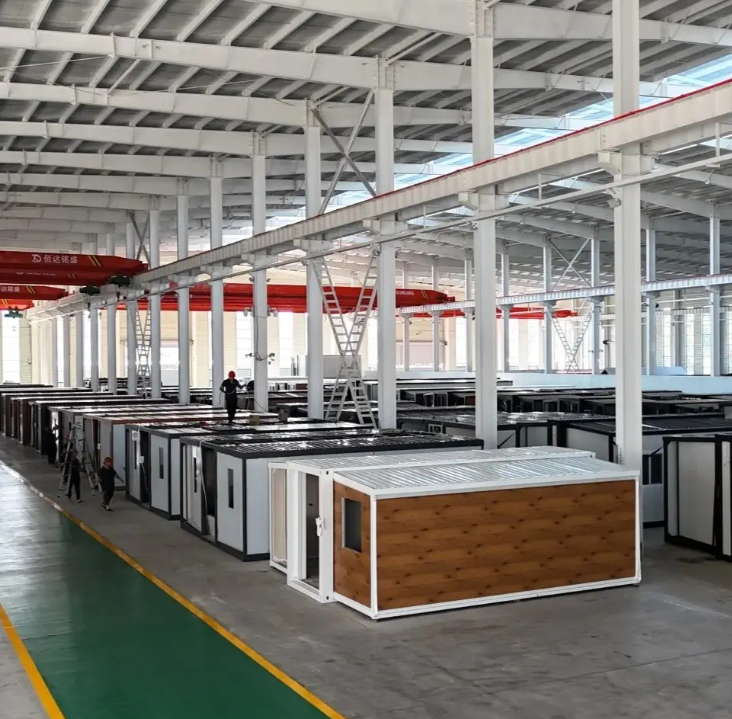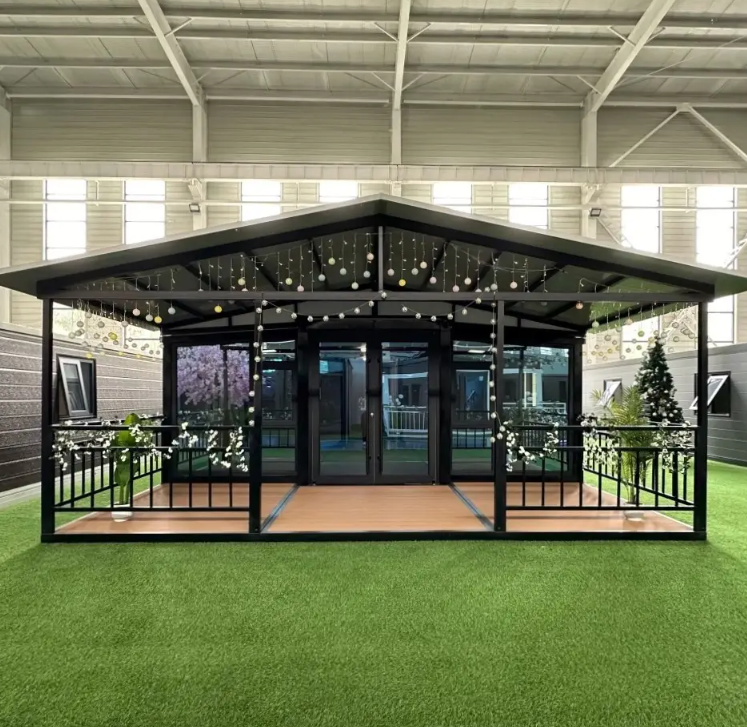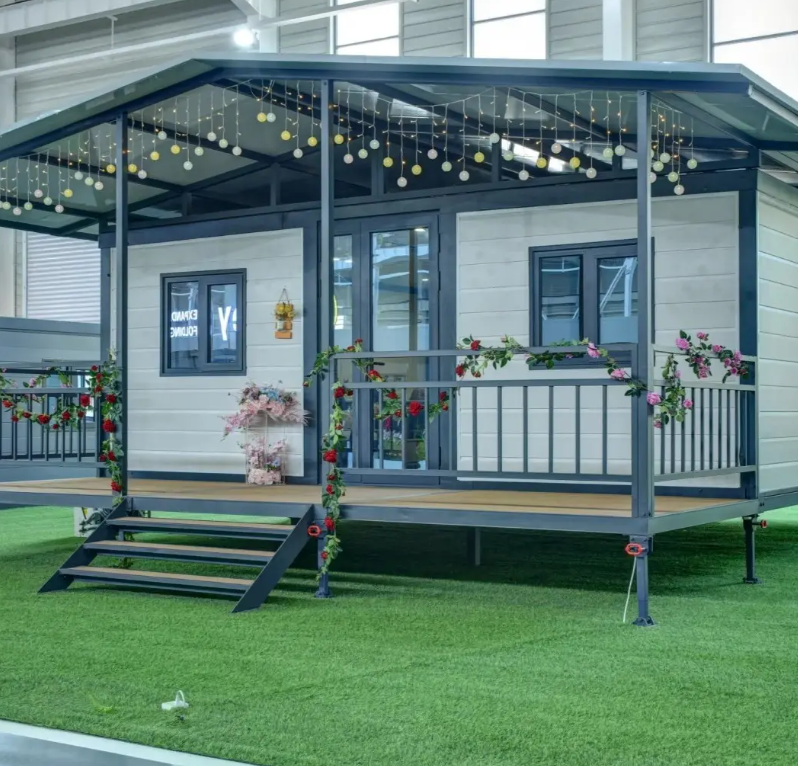
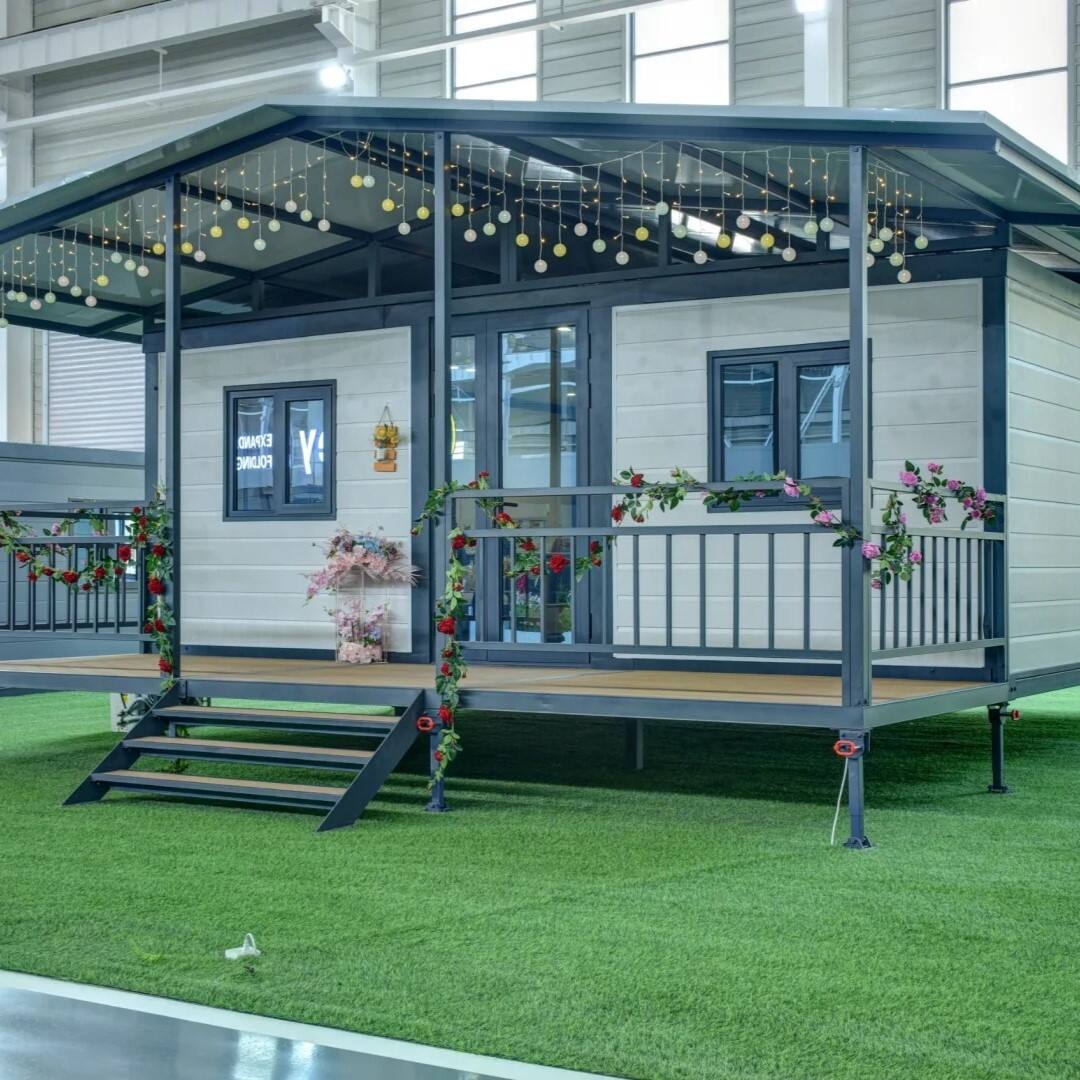
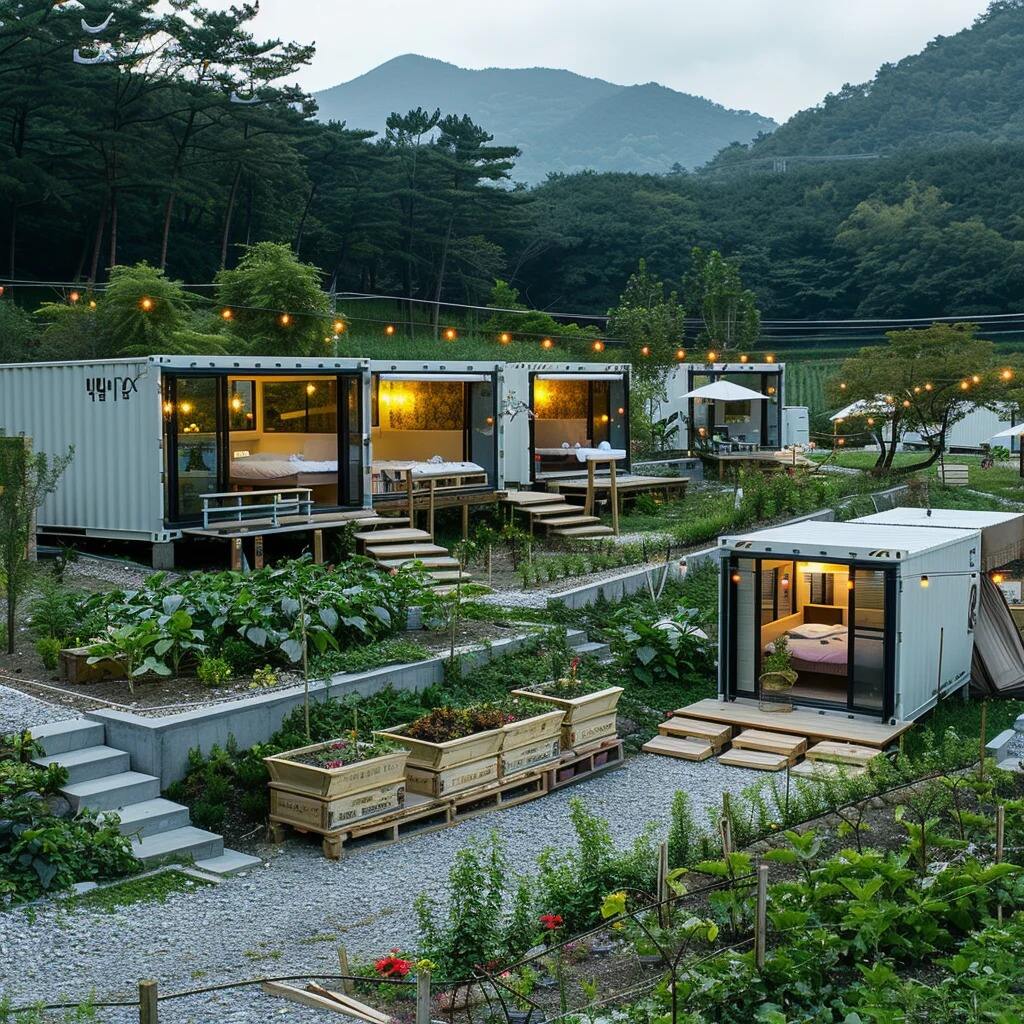
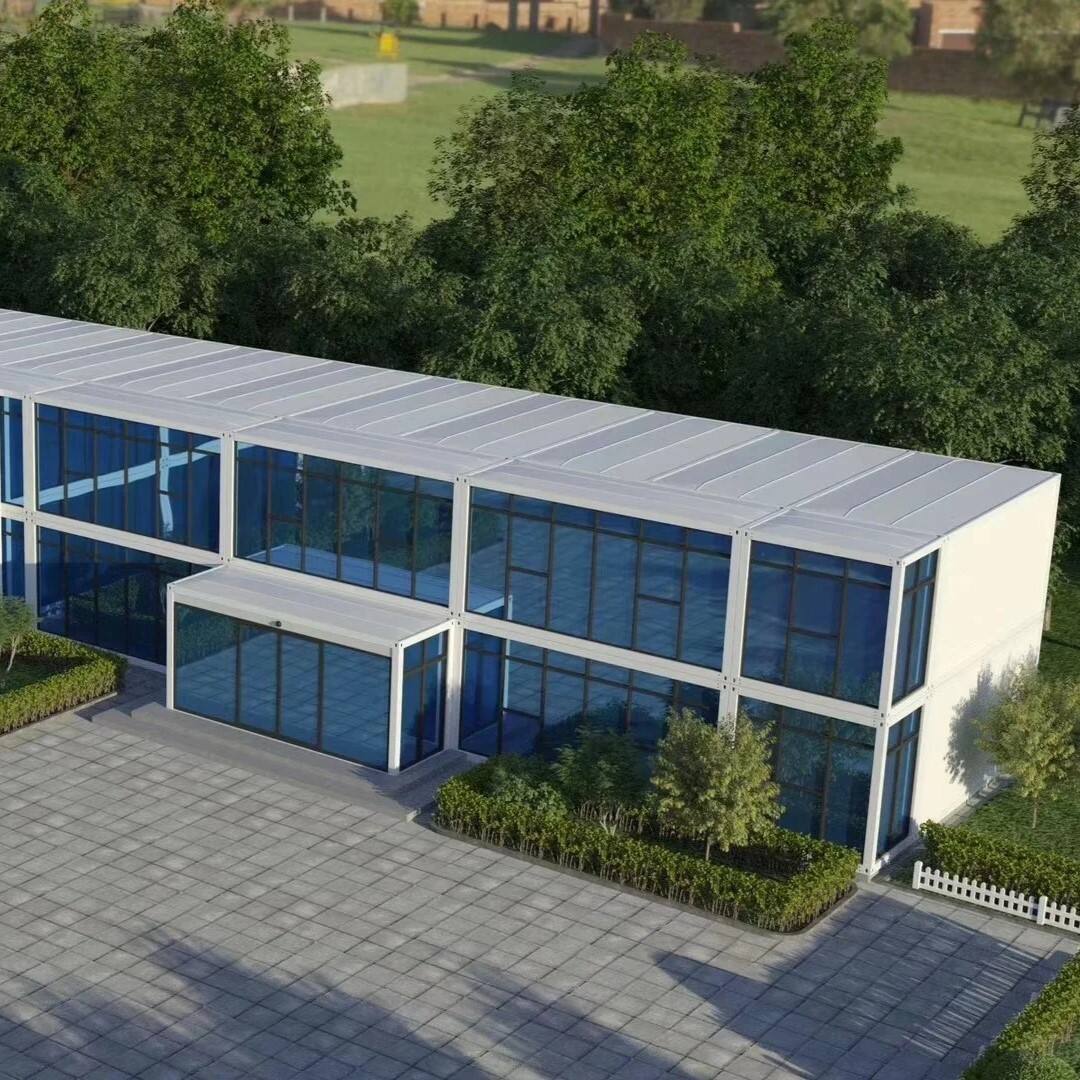
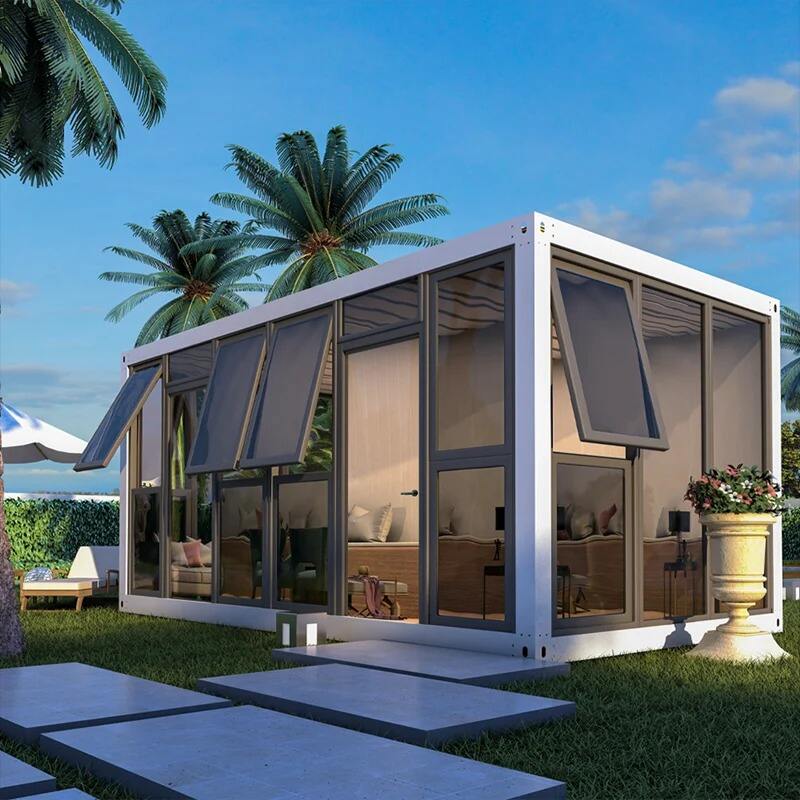
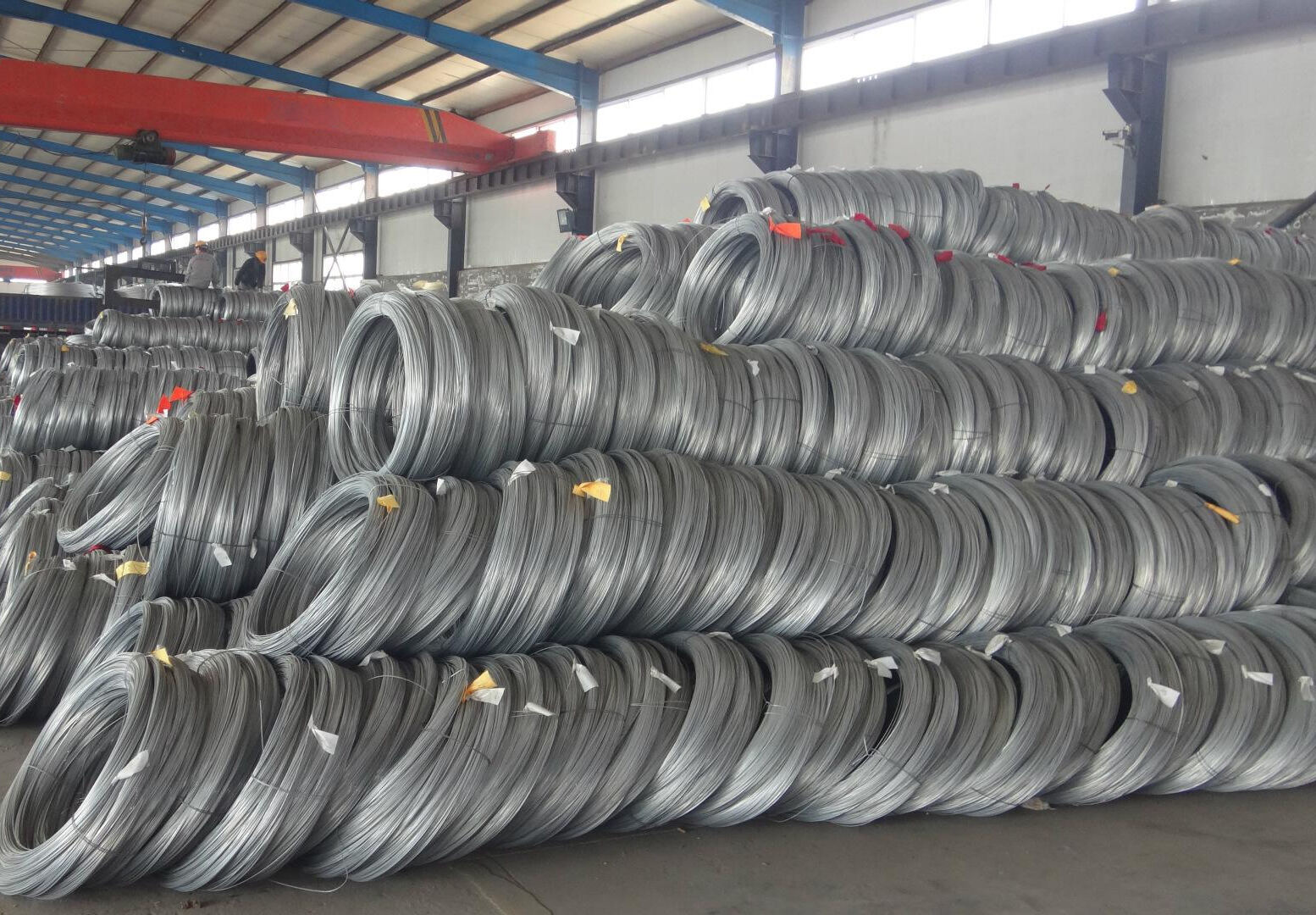
Songchen Steel’s foldable container houses are a green and environmentally friendly building product, which conform to the global sustainable development concept and have the advantages of recyclability, reusability and low carbon emission. The raw materials used in the product are all recyclable steel, and no harmful materials are added in the production process, complying with the international environmental protection standards, and the recycling rate of the product after the end of its service life reaches more than 80%, which can effectively reduce the consumption of natural resources and the generation of construction waste. The foldable container houses adopt a prefabricated production mode, with no on-site wet work, no dust and noise pollution, and the construction period is shortened by more than 80% compared with traditional temporary buildings, which is in line with the green construction requirements. The product can be reused for many times, and a single product can be used in more than 10 projects, greatly reducing the construction cost and environmental pollution of each project. In the green construction demonstration project in Germany, the company’s foldable container houses are used as the main temporary building of the project, and the product’s green and environmental protection performance has been highly recognized by the project owner and the local environmental protection department, and the project has won the German Green Building Council’s green construction certification. The company has established a strict environmental management system, and the whole production process of foldable container houses complies with the clean production standards, with no waste water, waste gas and solid waste discharge, effectively reducing the environmental impact of production. The foldable container houses have a small carbon footprint in the whole life cycle, from raw material production, product manufacturing to on-site use and recycling, the total carbon emission is far lower than that of traditional temporary buildings, in line with the global "double carbon" development goal.