 EN
EN

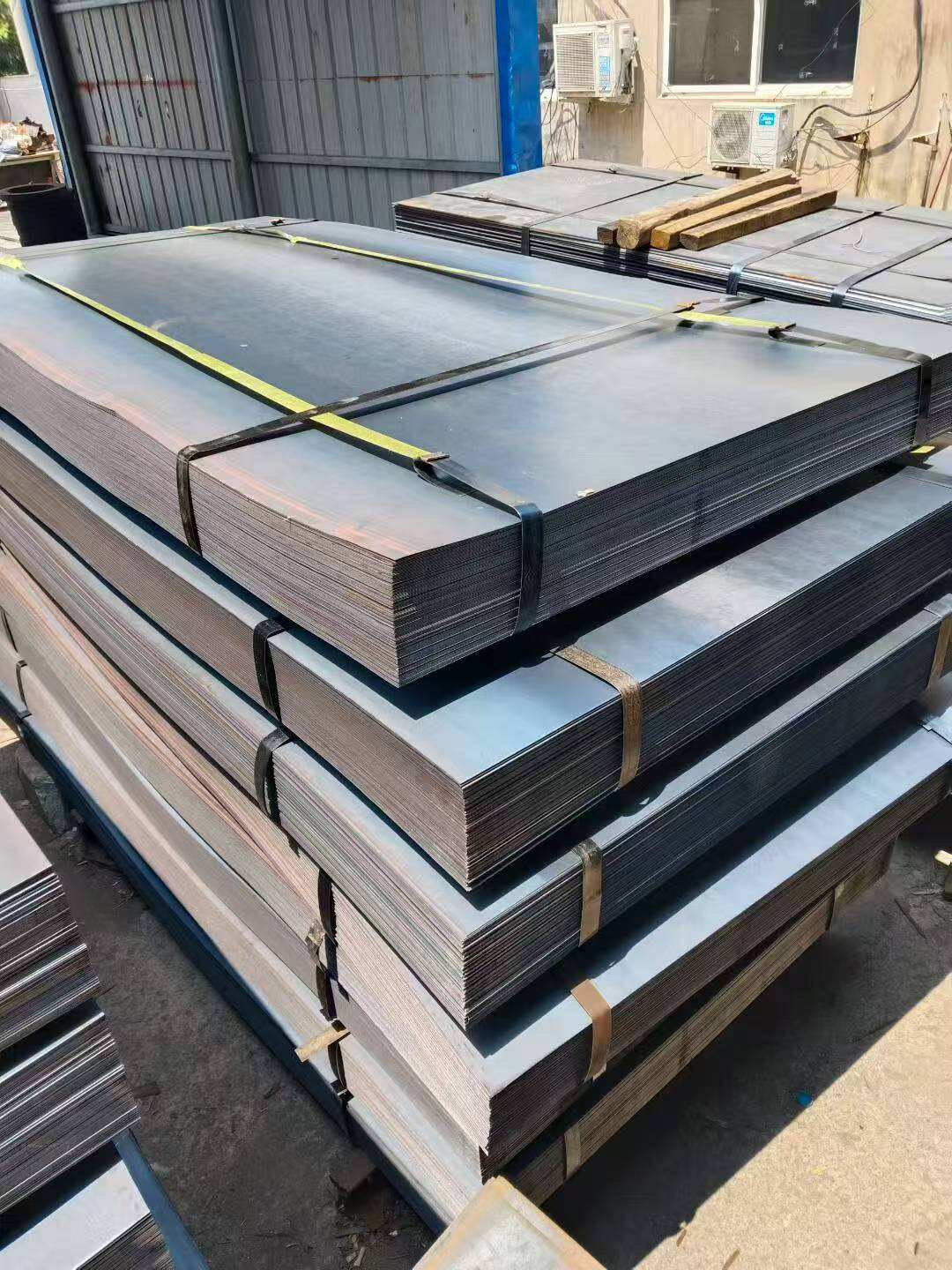
Automotive and Appliance Manufacturing: Lightweight and Cost-Effective Carbon Steel Solutions
Low-carbon steel coils for automotive body panels and structural stampings
Low carbon steel coils containing between 0.04% and 0.30% carbon make up the backbone of mass car production because they work so well when forming, welding, and holding just the right amount of strength. The material's flexibility allows manufacturers to stamp out intricate body parts at lightning speed, including those critical crash zones that absorb impact during accidents. Plus, these coils let engineers use thinner metal sheets which cuts down on overall vehicle weight while still keeping everything structurally sound and meeting all safety standards. According to industry reports, switching to low carbon steel can cut down machining expenses and tool wear by around 15 to 20 percent over stronger materials. That makes sense why auto makers keep coming back to this stuff for their big volume runs where budget matters most.
Use of carbon steel in household appliances and electronic enclosures
Carbon steel gets used all over the place in major appliances because it's tough stuff mechanically and has those functional properties that really matter for how things perform. The material's magnetic properties make motors run better in fridges and washers, and it conducts heat well too, which helps keep power supplies and control boxes from overheating. Another big plus is how easy it is to machine, letting factories make parts with very tight tolerances for things like drum assemblies and mounting brackets inside appliances. Factory reports show carbon steel can cut production cycles by around 30% compared to polymer composites, while still matching them in rigidity and staying dimensionally stable over time. These kinds of improvements make a real difference when companies are trying to stay competitive in mass appliance manufacturing.
Balancing cost-efficiency and corrosion resistance in stamped components
Surface treatments for carbon steel strike a good balance between cost effectiveness and actual durability needs. When it comes to protecting against moisture and harsh environments, galvanization works well alongside newer polymer coatings. These methods are commonly used on car underbodies and outside surfaces of appliances. Tests show these treatments can make components last around 3 to 5 years longer before they need replacing. What's interesting is that this extra protection only adds about 5 to 8 percent to the base material costs. Looking at the table ahead should give a clearer picture of how different protection options stack up against each other in practical applications.
| Protection Method | Application Cost Increase | Corrosion Resistance Improvement | Typical Applications |
|---|---|---|---|
| Electro-galvanizing | 4–6% | 2– baseline | Appliance interiors, door panels |
| Powder Coating | 7–9% | 3– baseline | Automotive trim, outdoor units |
| Zinc-Nickel Alloy | 10–12% | 5– baseline | Underhood components, coastal installations |
These solutions preserve carbon steel’s recyclability and cost leadership while meeting stringent lifecycle expectations across diverse end uses.
Construction Applications: Roofing, Wall Cladding, and Framing with Carbon Steel Coils
Structural uses of carbon steel coils in roofing, wall panels, and framing systems
When it comes to construction materials, carbon steel coils get rolled into those lightweight but super strong roofing panels we see everywhere now, plus wall coverings and even structural components for buildings. The big advantage? These roofing systems actually cut down on the weight pressing down on the building's skeleton by around 30% compared to traditional options. That means architects can design spaces with longer open areas between supports and create more interesting shapes without worrying about structural limits. For walls, the deep drawing properties of carbon steel let manufacturers make all sorts of custom profiles that not only look good but also handle weather pretty well while working nicely with insulation materials. Framing applications benefit too - cold formed purlins and joists offer great strength relative to their weight and stay dimensionally stable during installation. Contractors report cutting down project schedules by nearly half when using prefabricated components made from this stuff. And let's not forget the environmental angle either. Since carbon steel can be recycled over and over again, it fits right into modern green building practices for everything from office complexes to schools and factories.
Selecting carbon steel grades based on environmental exposure (coastal vs. inland regions)
Environmental conditions directly inform grade selection to ensure 50-year service life. In coastal zones, chloride-laden air accelerates corrosion rates fivefold over inland areas–necessitating enhanced protection:
- Galvanized carbon steel with zinc-aluminum alloy coatings (minimum G90 per ASTM A653) provides proven barrier protection
- Chromium-enriched steels, such as those meeting ASTM A1011 HSLAS-F, form passive oxide layers that resist chloride penetration
When looking at materials for buildings away from the coast, ASTM A36 and A572 steel grades typically give good value for framing purposes. Epoxy coated coils work well too for protecting against dampness in parts of the building that don't need to support weight. But things change near the sea. Salt air eats away at metals faster so coastal structures need around 15 to 20 percent thicker metal bases just to last as long. And regular checks become necessary every three years instead of the usual seven found inland. The whole point of this approach is to make sure buildings stand up to their environment without spending extra money on unnecessary reinforcement in areas where conditions aren't so harsh.
Industrial and Energy Systems: Carbon Steel Coils in Oil & Gas and HVAC Applications
Medium-carbon steel coil applications in oil and gas pipelines and equipment
Medium carbon steel coils containing between 0.30 and 0.60 percent carbon are basically the go-to material for things like transmission pipelines, well casings, and pressure vessels. These materials deliver that necessary combination of strength (around 50 to 80 ksi yield strength), good fracture resistance, and weldability needed to last many years in service. The metal composition makes them easy to form and weld right at the job site even when conditions get tough, whether we're talking about underwater installations or areas with high sulfur content. Plus they cost way less than those fancy corrosion resistant alloys. Most importantly, when coated properly with standard protection systems such as fusion bonded epoxy or three layer polyethylene coatings, these steels meet all the relevant industry standards including API 5L and ASME B31 requirements for both land based and offshore projects where structural integrity matters most.
Carbon steel in HVAC systems: Ductwork, casings, and heat exchanger components
When it comes to making HVAC systems, carbon steel coils have become the go-to choice for things like ductwork, blower casings, support frames, and those heat exchanger housings we all rely on. What makes them so popular? Well, they just plain hold their shape better during manufacturing, which means complex duct designs come out right the first time. Plus, the way these materials conduct heat actually improves how well heat moves through exchangers. Most installations also get galvanized coatings or factory paints applied before shipping, something that stops rust from forming when moisture builds up inside buildings or factories over time. And let's talk numbers for a second. Switching from stainless steel to carbon steel can cut costs by around 40% on things like casings and structural parts. The best part? Systems still perform reliably under normal conditions and maintain good noise control too.
Frequently Asked Questions (FAQ)
What is the carbon content in low-carbon steel coils?
Low-carbon steel coils typically contain between 0.04% and 0.30% carbon.
How does carbon steel improve appliance manufacturing?
Carbon steel enhances appliance manufacturing by cutting production cycles by around 30%, improving rigidity, and ensuring dimensional stability over time.
Why is galvanization important for carbon steel?
Galvanization is crucial for carbon steel as it helps protect against moisture and harsh environments, thereby extending the lifespan of the components.
What benefits does carbon steel offer in construction?
In construction, carbon steel lends strength while reducing material weight by around 30%, allowing for innovative architectural designs.
How is carbon steel used in HVAC systems?
In HVAC systems, carbon steel is used for components like ductwork and heat exchanger housings due to its excellent heat conduction and shape retention.