 EN
EN

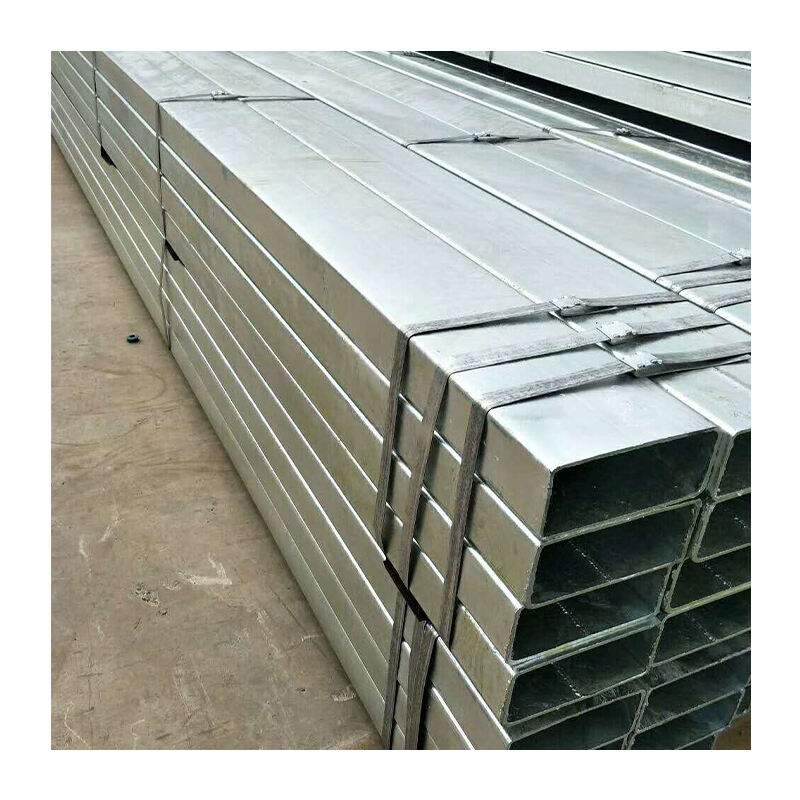
Construction Industry: Leading Demand for Corrosion-Resistant Infrastructure
Why galvanized steel dominates modern building and bridge construction
The zinc iron alloy coating on galvanized steel provides around 50 to 100 years of protection against rust, which makes it really good choice for structures that face tough weather conditions and road salt. Maintenance expenses drop significantly too when using galvanized instead of regular steel, sometimes cutting them down by nearly 40%. Plus, it keeps that strong yet lightweight property that works well in buildings designed to withstand earthquakes. A recent study from last year found that about two thirds of American structural engineers are choosing galvanized steel specifically for bridges along coasts where there's lots of salt in the air. They've seen how well it holds up over time in places like the Great Lakes region and along the Gulf Coast where saltwater exposure is constant problem.
Case Study: Hot-dip galvanized steel in U.S. Interstate Highway bridges
According to a recent corrosion audit from the Federal Highway Administration in 2024, bridges built with hot dip galvanized parts need about 35 percent less repair work over a quarter century compared to those without any coating. This kind of long lasting protection is exactly what the Bipartisan Infrastructure Law aims for with its massive $40 billion investment in bridges across the country. Take Ohio and Pennsylvania for instance these states have started incorporating galvanized rebar and steel beams into their construction projects, helping structures last well past the 75 year mark. Looking at specific examples along the I-90 route near Lake Erie shows even better results there lifecycle costs dropped around 19 percent overall. What's impressive too is that roughly eight out of ten bridges constructed back in 2010 using galvanized materials still stand strong today without major structural issues.
Integration with green building standards like LEED for sustainable design
Galvanized steel can earn between 6 to 8 LEED points because it's completely recyclable and cuts down on those pesky onsite painting emissions. According to a recent report from the American Institute of Architects in 2023, about seven out of ten net zero energy projects actually use this material. When builders go with pre coated galvanized steel instead of applying coatings on site, they end up reducing construction waste by almost 30%. And let's not forget about how long these materials last without needing maintenance. This durability meets all sorts of strict standards like ASHRAE 189.1 when it comes to assessing building lifecycles for commercial structures. Basically, galvanized steel ticks a lot of boxes for green building requirements.
Energy Sector: Enabling Durable Renewable and Power Infrastructure
Role of Galvanized Steel in Solar Farms and Offshore Wind Turbines
Galvanized steel really stands out when it comes to fighting corrosion in energy infrastructure exposed to saltwater, high humidity, and extreme temperatures. Take solar farms for instance. The mounting systems made with zinc coated steel actually cost around 40 percent less to maintain over a decade compared to those without any protection according to a recent study from the Renewable Energy Materials Review in 2024. For offshore wind turbines, this material is even more valuable because it can last about 75 years in marine environments. That kind of durability matters a lot for big projects such as Germany's Heligoland Cluster. Structures there have to withstand powerful North Sea currents that apply pressures reaching up to 15 MPa on them constantly throughout their operational life.
Case Study: Galvanized Steel Towers in North Sea Offshore Wind Installations
Looking at 420 offshore wind towers from 2023 reveals something interesting about materials. Hot dip galvanized steel needed about 60 percent fewer repairs compared to those polymer coated alternatives during the first ten years of operation. The coatings range between 85 and 120 micrometers thick, which actually stops those tiny cracks from spreading through welded areas. That's why the Dutch authorities decided back in 2025 that all wind projects in the North Sea must use this kind of steel. And let's not forget the real world impact either these specifications mean wind turbines spend roughly 14 fewer days each year offline when things get really rough out there in harsh marine environments.
Reducing Lifecycle Costs in Utility-Scale Energy Projects
Galvanized steel might cost about 15 to 20 percent more upfront compared to regular mild steel, but according to the National Renewable Energy Laboratory's latest 2024 models, it actually balances out financially within seven years when used in solar projects. The money saved comes from not having to do those yearly corrosion checks which typically run around $740 per hectare, plus parts need replacing way less often—something like 83% fewer times—and works great with drones for routine maintenance tasks. Take the big 2.5 gigawatt SunStream Solar Farm in Texas as an example. When they strategically incorporated galvanized steel into their tracking systems and grounding structures, operational expenses dropped by roughly 31% over just five years.
Transportation and Automotive: Enhancing Vehicle Longevity and Safety
How Galvanized Steel Prevents Rust in Chassis and Body Components
The zinc iron alloy layer on galvanized steel creates a protective shield against moisture and those harsh road salts we all know so well. According to the International Zinc Association from 2023, this treatment cuts down corrosion rates by nearly 90% when compared to regular steel. What makes it really special though is how it continues protecting the metal even when there are scratches. That's why car manufacturers can confidently back their products with those long 15 year rust warranties. Recent research published in 2024 showed something pretty impressive too vehicles built with galvanized frames required about three quarters less repair work related to corrosion problems throughout a ten year period.
Case Study: Leading Automakers' Use of Corrosion-Resistant Materials in Mass Production
Big car companies have made their vehicles last longer by switching to hot dip galvanized steel for things like doors, frames underneath the car, and parts that sit low on the road. After just five years on the market, these changes cut down on warranty problems related to rust by almost two thirds. One company even managed to get their pickup trucks working well for 40 years straight in areas where salt gets everywhere during winter. Looking at what's coming off the assembly line today, around 9 out of 10 cars have these special steel parts in important places where moisture would normally cause trouble. That's way up from when only about 7 out of 10 had them back in 2015.
Trend: Lightweight, Corrosion-Resistant Materials in Electric Vehicle Design
Electric vehicle makers are turning to galvanized steel for their battery boxes and car frames because it saves around 30% in weight compared to regular rust protection treatments, all while keeping things just as tough. The fact that this material can be recycled fits right into the circular economy concept, which matters a lot since electric cars actually have about 28% more energy built into them when they're made from scratch. Looking at what's happening now, test models indicate that galvanized steel plays nicely with newer ways of putting parts together. This compatibility helps cut down on manufacturing expenses by roughly 19%, and still passes those tough crash tests that regulators require these days.
Agriculture and Industrial Applications: Reliable Performance in Harsh Environments
Galvanized Steel in Irrigation Systems and Rural Storage Solutions
Galvanized steel stands up better than regular metal when facing off against agricultural chemicals, high humidity levels, and salty soils. That's why it's so commonly used in things like irrigation pipes, grain storage facilities, and protective covers for farm equipment. According to research from the Global Agricultural Infrastructure Alliance back in 2023, these galvanized systems can stick around for anywhere between 25 to 40 years even in damp environments. Compare that to plastic options which typically only last about a third as long. For farmers dealing with dry conditions where every drop counts, this kind of longevity really matters because leaky systems end up wasting roughly 18 percent of their precious water supply each year in regions already struggling with water shortages.
Case Study: Drought-Resistant Water Tanks in Australian Farming Regions
In the remote areas of New South Wales during the 2021 to 2023 period, Australia launched what they called the Agricultural Resilience Initiative to see how well galvanized steel water tanks would hold up. The region experiences massive temperature changes each day, sometimes hitting 30 degrees Celsius difference between night and day, plus there's more salt floating around in the air than even near the coastlines. Looking at these tanks after two full years showed they kept almost all their strength intact at around 99%, whereas regular steel without any coating started showing those annoying little pits forming on the surface. Farmers reported saving nearly half their usual maintenance budget for water storage over a decade, which makes sense given how tough those conditions are. So basically, galvanized steel proves itself as a solid choice when dealing with really harsh dry climates where water needs to be stored reliably for long periods.
Use in Power Transmission, Conduits, and Industrial Support Structures
According to the Energy Grids Report from 2023, around 73 percent of all new power transmission towers built by utility companies actually feature galvanized steel. Why? Because this material basically needs no maintenance for about half a century when used in industrial areas. The protective zinc coating really stands up against rust on those electrical conduits that get blasted with factory emissions daily. And it works wonders too for structural beams inside fertilizer plants. These facilities have these harsh ammonia vapors floating around everywhere, which would eat away at regular steel in just five short years. Galvanized steel holds up so much better under these conditions.
Emerging Markets: From Urban Furniture to Consumer Goods
Design Advantages of Galvanized Steel in Outdoor and Industrial-Style Furniture
Galvanized steel offers both protection against rust and good structural strength, which is why many cities choose it for outdoor furniture that faces harsh weather conditions. The zinc layer stops iron from turning into rust while keeping the surface looking neat and not shiny, something that saves around 40% on maintenance expenses compared to older materials according to the Urban Materials Report from 2023. More architects are specifying this material these days for things like street benches with an industrial look, bicycle parking stands, and garden pergolas where lasting quality meets contemporary style. Plus, since galvanized steel can be recycled again and again, it fits right into what's called the circular economy model. This makes sense for urban planners working on projects slated for 2024 who want their designs to follow green building practices without sacrificing functionality.
Case Study: Scandinavian Public Spaces Using Galvanized Steel Urban Fixtures
Oslo and Copenhagen have started using galvanized steel more often for their public projects because it lasts much longer when exposed to moisture and salt air. Some cities did a check in 2023 looking at what happens when they switch out old cast iron parts for galvanized ones in seaside parks. The results were pretty impressive actually the time between replacements went from about 8 years all the way up to 15 plus years. Architects really enjoy working with this material since it bends nicely which lets them build those cool curved handrails and sharp edged garbage bins. People seem to notice how these functional items still look good too, which is probably why we're seeing more of them pop up across town in places designed to handle harsh weather without constant repairs.
FAQ Section
What makes galvanized steel a preferred choice in construction?
Galvanized steel has a zinc iron alloy coating providing 50 to 100 years of rust protection, reducing maintenance costs and enhancing structural integrity in various weather conditions.
How does galvanized steel contribute to green building?
Galvanized steel is fully recyclable, reduces site emissions, and earns LEED points, making it suitable for sustainable construction.
Is galvanized steel more expensive than regular steel?
While galvanized steel is initially 15-20% more expensive, it offers long-term financial benefits by reducing maintenance and replacement costs.
Table of Contents
- Construction Industry: Leading Demand for Corrosion-Resistant Infrastructure
- Energy Sector: Enabling Durable Renewable and Power Infrastructure
- Transportation and Automotive: Enhancing Vehicle Longevity and Safety
- Agriculture and Industrial Applications: Reliable Performance in Harsh Environments
- Emerging Markets: From Urban Furniture to Consumer Goods