 EN
EN

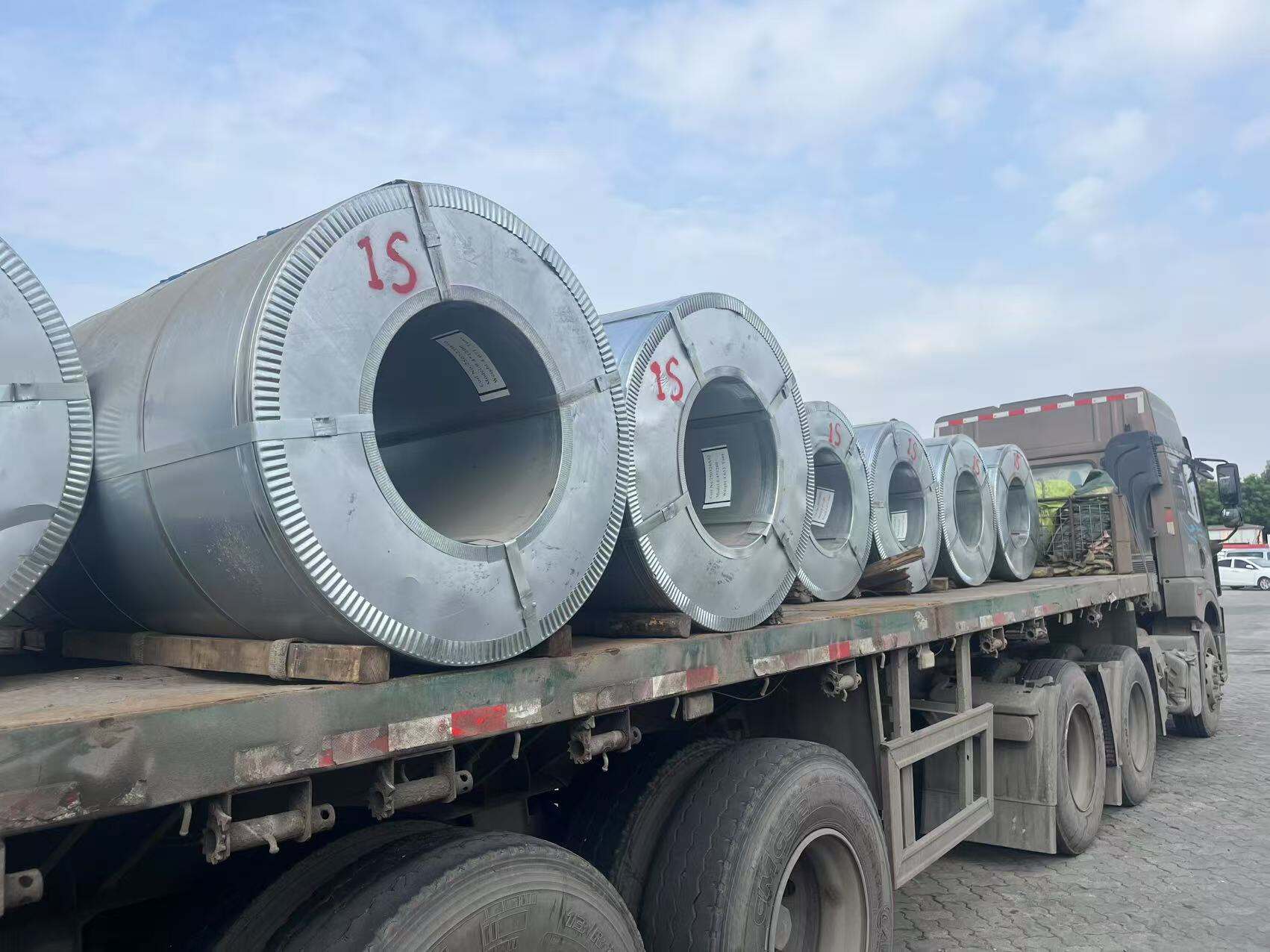
Sacrificial Protection: How Zinc Electrochemically Protects Galvanized Steel in Humidity
The Electrochemical Principle: Zinc as the Anode in Humid Atmospheric Cells
The protection offered by galvanized steel comes from zinc's ability to outperform other materials chemically when facing corrosion in damp environments. Humidity creates a thin layer of moisture on surfaces, which sets off a natural reaction between metals. Zinc becomes the negative pole (anode) while steel takes the positive role (cathode). What happens next is pretty clever: the zinc starts to oxidize first, basically giving up its life to shield the steel underneath. These tiny zinc particles then travel along the metal surface, mixing with water vapor and air elements to create new protective layers. According to industry benchmarks set by groups like NACE International and ISO 1461, zinc actually breaks down at a rate 10 to 100 times slower than regular unprotected steel when exposed to constant moisture. This means structures stay strong and intact even if some of the coating gets scratched or worn away over time.
Zinc Consumption Rate and Service Life Under Sustained High Humidity
The way zinc corrodes determines how long galvanized steel lasts in places where there's lots of moisture in the air. When humidity reaches around 90%, zinc actually wears away pretty slowly compared to regular steel. We're talking about about 1 to 2 micrometers per year versus over 50 micrometers for plain steel. What makes it even better is that once exposed to the elements, zinc forms a protective layer of zinc carbonate which slows down the corrosion rate to roughly half a micrometer annually. So if someone applies the standard 85 micrometer hot dip galvanization coating, they can expect their metal structures to last well beyond 35 years in these moist industrial settings without needing repairs. The American Galvanizers Association has been tracking this stuff for ages and their findings match up with observations from corrosion studies done in tropical regions too.
Barrier Protection: Zinc’s Physical Role in Blocking Humidity and Oxygen
Galvanized steel benefits from two complementary protection mechanisms: electrochemical sacrifice and physical barrier performance. Zinc’s dense, crystalline structure inherently resists permeation by water vapor and oxygen—even under extreme humidity—making it uniquely effective in coastal and tropical settings.
Coating Integrity and Moisture Impermeability in Coastal and Tropical Climates
In high-humidity regions like Florida or Southeast Asia, zinc’s impermeability is essential. A continuous, undamaged coating prevents oxygen and moisture from reaching the steel substrate. Optimal barrier function depends on:
- Zinc layer thickness ≥80 µm (per ASTM A123)
- Absence of mechanical damage or abrasion
- Design features that minimize salt spray accumulation
Zinc has a completely different story compared to those porous coatings out there. Its crystal structure is so tightly packed and doesn't absorb moisture, staying dry even when humidity hits around 95%. This natural resistance combines really well with how zinc protects metal surfaces through sacrifice, which becomes super important in areas prone to condensation and salty air from the ocean. Field tests across various coastal regions consistently show that structures treated with proper galvanization last anywhere from two to three times longer than their unprotected counterparts. The reason? That double protection system we just talked about keeps working day after day against corrosive elements.
Patina Formation: How Galvanized Steel Self-Heals via Zinc Carbonate in Humid Air
Stable Patina Development Kinetics in High-Humidity U.S. Regions (e.g., Florida, Gulf Coast)
Galvanized steel forms a protective coating in moist areas like the U.S. Gulf Coast thanks to reactions happening naturally in the atmosphere. When moisture mixes with carbon dioxide, it creates tiny crystals of zinc carbonate on the exposed zinc surface. These crystals fill in small pores and cover minor flaws in the metal. The whole process speeds up when humidity stays above 60%. Research done in tropical regions shows that this protective layer fully develops in anywhere from six to eighteen months. That's about double the speed seen in dry climates. What results is a thick, sticky layer that cuts down on corrosion by almost 90% compared to regular steel without protection. Even better, if there are scratches or scuffs later on, the material can repair itself pretty quickly.
White Rust vs. Protective Patina: Critical Humidity and CO₂ Thresholds
Patina stability depends critically on environmental balance. Below ~50 ppm CO₂ and above ~85% humidity—particularly in stagnant, poorly ventilated spaces—zinc hydroxide (Zn(OH)₂) forms instead of carbonate. This white, powdery “white rust” is porous and non-protective, accelerating localized corrosion. In contrast, durable gray patina forms reliably under these conditions:
- CO₂ concentration: >50 ppm
- Relative humidity: 60–80%
- Temperature: 10–40°C (50–104°F)
This explains why open-air structures in Miami develop robust patina, while enclosed coastal equipment often suffers white rust. Ensuring adequate airflow—both during storage and in-service—is key to maintaining CO₂ availability and enabling long-term, self-sustaining protection.
Real-World Performance Limits: When Humidity and Chlorides Challenge Galvanized Steel
Galvanized steel is tough stuff, but it does have its limits when exposed to both high humidity and areas rich in chloride. We see this problem most often along coastlines and in marine settings where the zinc layer wears away faster than normal. When airborne chloride levels hit around 5 mg per square meter per day, things start going downhill for galvanized coatings. At concentrations over 10 mg/m²/day, the protective barrier just isn't doing its job anymore. Tropical regions with constant humidity above 80% really take a toll on zinc coatings too. Corrosion happens 3 to 5 times faster there compared to dry areas, which can cut the lifespan of structures in half under bad conditions. For important projects or those involving safety concerns, extra protection makes sense. Options include combining galvanizing with paint coatings, using thicker layers of protection, or switching to materials like stainless steel altogether in these harsh environments.
FAQ
What is the electrochemical principle behind zinc's protection of steel?
Zinc acts as the anode in an electrochemical reaction with steel, where zinc oxidizes to protect the steel.
How long does galvanized steel last under high humidity?
With standard coatings, galvanized steel can last over 35 years in moist settings due to zinc's slow corrosion rate.
What factors enhance zinc's barrier protection?
Barrier protection depends on zinc layer thickness, absence of damage, and minimizing salt spray accumulation.
How does zinc carbonate contribute to self-healing of galvanized steel?
Zinc carbonate forms a protective layer over zinc in humid conditions, sealing minor flaws and reducing corrosion.
When does galvanized steel face challenges in coastal and marine environments?
High chloride levels and constant humidity can accelerate wear on zinc coatings, reducing their protective lifespan.
Table of Contents
- Sacrificial Protection: How Zinc Electrochemically Protects Galvanized Steel in Humidity
- Barrier Protection: Zinc’s Physical Role in Blocking Humidity and Oxygen
- Patina Formation: How Galvanized Steel Self-Heals via Zinc Carbonate in Humid Air
- Real-World Performance Limits: When Humidity and Chlorides Challenge Galvanized Steel
-
FAQ
- What is the electrochemical principle behind zinc's protection of steel?
- How long does galvanized steel last under high humidity?
- What factors enhance zinc's barrier protection?
- How does zinc carbonate contribute to self-healing of galvanized steel?
- When does galvanized steel face challenges in coastal and marine environments?