 EN
EN

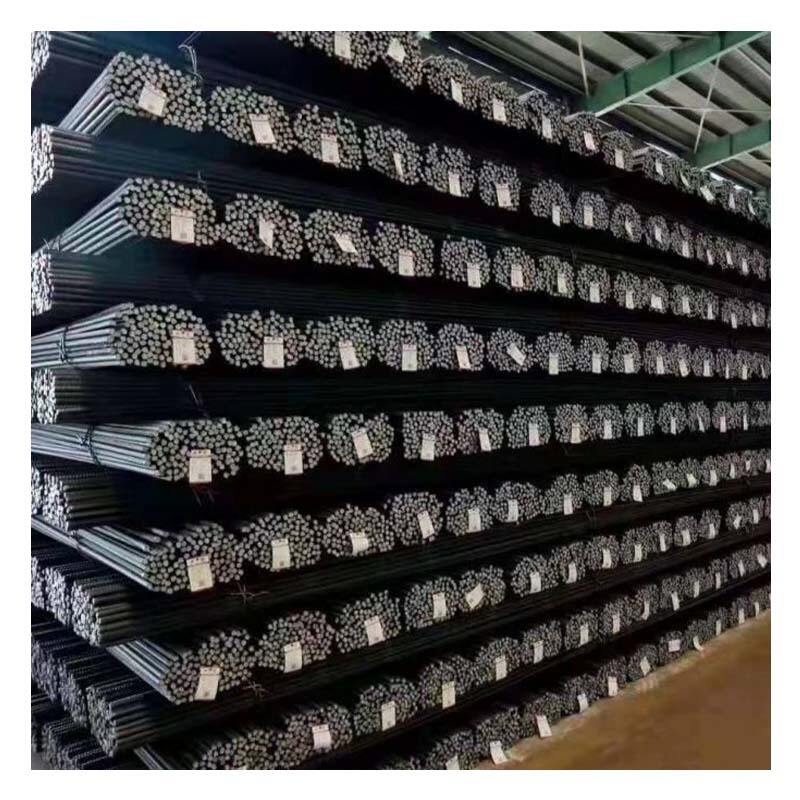
Why Concrete Needs Rebar: Addressing Inherent Tensile Weakness and Crack Formation
Concrete works great when squeezed together but falls apart when pulled apart, which is basically why it cracks so easily. Think about what happens when concrete gets stretched or bent in everyday structures like beams, slabs, bridges, and building foundations. The material just breaks without warning. According to some industry research from Ponemon back in 2023, buildings made with plain old unreinforced concrete are actually 70% more likely to develop those annoying early cracks caused by tension forces. That's where steel reinforcement bars come in handy. These rebars take on all the stretching forces that regular concrete can't handle. Today's modern rebars with their bumpy surfaces grip onto the concrete around them really well, spreading out the stress instead of letting it build up in one spot, which is exactly what causes cracks to start forming. If there's no reinforcement at all, problems pop up from things like concrete shrinking as it dries, temperature changes making everything expand and contract, plus all the weight people and equipment put on structures day after day. All these factors create random cracks that weaken the whole structure and shorten how long buildings last before needing major repairs. When builders properly install rebar though, they turn fragile concrete into something much tougher that can actually stand up to all the unpredictable forces we throw at our infrastructure every single day.
How Rebar Enhances Crack Resistance Through Mechanical Bond and Load Distribution
Ribbed rebar’s grip on concrete: anchorage, bond strength, and crack bridging
The ribbed pattern on rebar actually helps it grab onto concrete better because those surface bumps create a kind of mechanical lock between materials. This stops the rebar from slipping when pulled tight, which makes the connection way stronger than if we used smooth bars instead. Now here's something interesting about what happens when tiny cracks start to appear in the concrete. The steel inside basically acts as a bridge across these little fractures, taking some of the pressure off the weakest spots. By spreading out this load across multiple areas rather than concentrating it all in one place, the structure stays intact even when things get hot or cold, shift around due to earth movements, or experience repeated stress cycles over time.
Smooth vs. deformed rebar: performance comparison in crack control and service life
Plain smooth rebar just doesn't stick well enough to transfer stresses properly, which leads to those annoying early cracks that spread out too much when structures are put into actual service. The ribbed version we see nowadays actually makes things work better, with tests showing around 40 to 60 percent improvement in how forces move through the material. And these ribs help control crack growth too, cutting down their width by about half in many cases. That matters a lot for durability, particularly in places where there's lots of humidity or near the coast. When cracks stay small, they block water and salt from getting inside the concrete, which is exactly what we want to prevent corrosion problems. Long term testing over decades has consistently shown that structures with deformed bars last significantly longer than those with plain ones, though exact numbers can vary depending on local conditions and construction quality.
| Rebar Type | Crack Control Efficiency | Service Life Impact |
|---|---|---|
| Smooth | Low — Poor stress transfer | High corrosion risk; 15—20 yr lifespan |
| Deformed | High — Optimal load sharing | 50+ yr lifespan with proper placement |
Critical Rebar Placement Practices That Minimize Crack Initiation and Propagation
Optimal spacing, cover depth, and lap length for effective crack suppression
Getting rebar placement right is absolutely critical when it comes to preventing cracks in structures. Most building codes like ACI 318 and ASTM A615 recommend keeping bars spaced about 2 to 3 times what the largest aggregate measures. This helps spread out stress points across the concrete matrix. The depth of concrete covering the rebar needs to stay between roughly 40mm and 75mm depending on environmental factors. Without enough cover, reinforcement bars start corroding faster which leads to early cracking problems. In areas where saltwater gets into the mix, structures can lose almost two thirds of their expected life span because of poor cover protection. When joining rebars together through lap splices, there are specific rules about how long those overlaps need to be. For regular size #5 bars, engineers generally look at lengths somewhere between 30 and 50 times the actual bar thickness. All these details matter because they help distribute tension forces evenly throughout the structure, allowing small harmless cracks to form rather than big dangerous fractures that compromise safety.
Common placement errors that compromise rebar’s crack-resisting function
There are several common mistakes during rebar installation that really compromise its protective function. When bars get displaced while pouring concrete they end up moving out of their proper spots, which creates areas of uneven stress that eventually lead to cracking problems. Another big issue happens at intersections if the ties aren't done properly. This allows the bars to separate when weight is applied, especially bad news in earthquake-prone regions where this kind of movement can cut down on bond strength by about half according to what some studies show. And then there's the problem of poor consolidation around the reinforcing steel, leaving gaps behind that become stress concentration points and create straight paths for cracks to reach the surface. Most of these problems come down to workers rushing through the job, forgetting to put in those important spacer blocks, or not following proper vibration procedures carefully enough. To keep everything working right, contractors need solid support systems in place and someone watching closely during the actual pouring process so the rebar stays exactly where it should be.
Beyond Cracks: How Proper Rebar Integration Improves Structural Durability and Safety
Rebar definitely helps prevent cracks in concrete structures, but when used correctly, it offers much more than just basic crack control. When steel reinforcement is properly placed within concrete, it completely changes how the material behaves when subjected to long-term stress or sudden heavy loads. This makes buildings last longer and stay safer throughout their entire life span. The way steel works together with concrete forms a partnership that can stand up against weather damage, handle bending forces, and even absorb shock without collapsing suddenly. What we see as a result are structures that maintain their strength over decades instead of failing unexpectedly after years of service.
- Extended service life, supported by corrosion-resistant materials and adequate cover that mitigate degradation from moisture, freeze-thaw cycles, and chemical exposure
- Enhanced load-bearing resilience, enabling safe performance under seismic activity, heavy traffic, wind loads, or unexpected impact
- Reduced long-term maintenance costs, minimizing spalling, surface deterioration, and costly repairs associated with progressive cracking
- Full compliance with safety-critical standards, including ACI 318, ASTM A615, and ISO 6935, which govern design, material quality, and installation to prevent brittle collapse
- Improved ductility, allowing controlled deformation and energy absorption during extreme events rather than sudden, life-threatening failure
This synergy shifts structural performance from passive crack containment to proactive longevity assurance—delivering infrastructure that meets evolving safety expectations while enduring the cumulative effects of time, climate, and use.
FAQ
Why is rebar necessary for concrete structures?
Rebar is essential because concrete alone has high compressive strength but low tensile strength, making it prone to cracking under tension. Rebar compensates for this by absorbing tension forces, thus preventing early cracks and structural weaknesses.
What is the advantage of ribbed rebar over smooth rebar?
Ribbed rebar provides better mechanical bonding with concrete, which prevents slipping and distributes stresses more efficiently across the structure. This feature significantly improves the structure's crack resistance and extends its service life.
How does proper rebar placement influence structural durability?
Proper spacing, depth, and connection of rebar help evenly distribute stresses throughout the concrete structure, minimizing the formation of cracks that can compromise structural integrity and safety.
Table of Contents
- Why Concrete Needs Rebar: Addressing Inherent Tensile Weakness and Crack Formation
- How Rebar Enhances Crack Resistance Through Mechanical Bond and Load Distribution
- Critical Rebar Placement Practices That Minimize Crack Initiation and Propagation
- Beyond Cracks: How Proper Rebar Integration Improves Structural Durability and Safety
- FAQ