 EN
EN

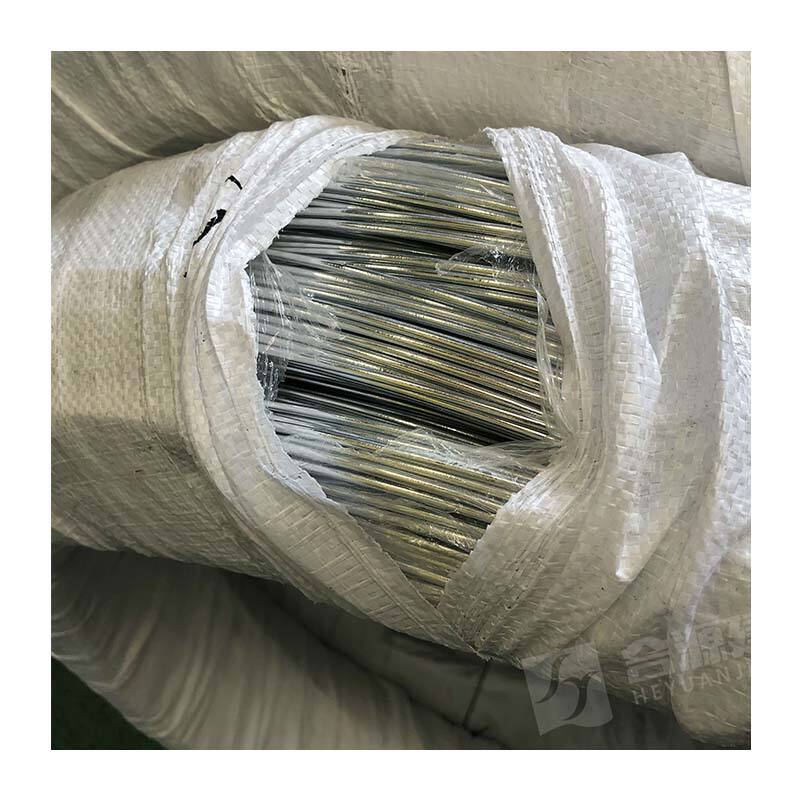
Supporting Crops: Galvanized Wire in Trellising for Vineyards and Orchards
How Galvanized Wire Provides Long-Term Structural Support for Climbing Crops
Galvanized wire stands out when it comes to lasting power for trellis systems because of that protective zinc layer which cuts down on rust development by around 85% over regular wire according to SteelPro Group's findings from last year. The ability to resist corrosion really matters in those damp vineyard conditions where wood posts tend to rot away after just about five growing seasons. What makes this wire so good? It packs quite a punch in terms of tensile strength, hitting up to roughly 1500 MPa. That means it can hold all those heavy grapes without drooping down mid-season. Plus, the material bends enough to let growers tweak their setups throughout the year as the vines stretch and spread out naturally.
Case Study: Trellis Systems in California Grape Vineyards
Researchers who spent twelve years looking at vineyards across Napa Valley discovered something interesting about trellis systems. Galvanized ones kept their wires intact at around 94%, while the regular non-galvanized versions only managed about 63%. That makes a big difference in the long run. Better canopy stability means better air circulation and more sunlight getting through to the grapes, which actually boosted yields by roughly 18% in many cases. Farmers also noticed these systems lasted much longer than expected, cutting down on replacement expenses. Over ten years, this saved around $2,800 per acre in maintenance costs alone. For growers focused on producing high quality wine grapes, investing in galvanized trellises seems like money well spent despite the higher upfront cost.
Best Practices for Installing High-Tensile Galvanized Trellis Networks
- Anchor Depth – Set terminal posts 36"–48" deep with concrete footings in heavy clay soils
- Tension Control – Use inline tensioners to maintain 200–250 lbs of force per wire
- Spacing – Install intermediate posts every 24–30 feet to prevent mid-row drooping
- End Treatments – Cap wire ends to protect workers during pruning and maintenance
Securing Farms: Galvanized Wire in Fencing and Livestock Enclosures
Why Corrosion Resistance Makes Galvanized Wire Ideal for Outdoor Fencing
Galvanized wire gets its rust resistance from a zinc coating that makes fences last anywhere from two to three times longer than regular steel in places where there's lots of moisture or salt air near the coast. What happens is pretty clever actually - when exposed to elements, zinc tends to corrode first before reaching the actual iron underneath, which acts like body armor for whatever structure it protects. This feature matters a lot for farm fences dealing with constant rainfall and contact with animal waste that can be quite acidic over time. According to field tests conducted across different regions, most galvanized fences still hold together at around 95% strength even after fifteen years sitting outside in normal weather conditions. That kind of durability puts them head and shoulders above both wooden posts rotting away and plastic options that eventually crack under pressure.
Case Study: Durable Livestock Fences on Australian Pastoral Farms
Ranchers across Queensland have noticed their fence maintenance bills dropping by around 40% since switching to those high tensile galvanized wire grids. Take for instance a 12 km cattle containment area in the tropical regions that's stood up against several Category 3 cyclones and dealt with nearly 2.5 meters of rain each year for eight straight years without any rust issues causing problems. What makes these fences so durable? They're built with interlocking mesh patterns that spread out the force when animals bump into them, which means fewer broken wires and less need for constant repairs. For farmers dealing with harsh weather conditions, this kind of reliability translates into real savings over time.
Emerging Trend: Modular Galvanized Fencing Solutions for Scalable Farm Security
Farmers can now reshape their paddocks in just over an hour using these pre-made galvanized panels, which saves roughly three quarters of the time needed for old fashioned setups. The system works well with modern animal tracking devices because the galvanized wiring conducts electricity nicely, letting sensors be placed around the perimeter easily. Built to handle whatever changes happen on the farm, these panels adjust to different numbers of animals without hassle. Plus there's that 20 year guarantee against rust issues, so even when conditions get tough out in the fields, the panels keep performing reliably. For anyone running a growing dairy herd or managing flocks of sheep, this kind of flexibility makes all the difference during expansion seasons.
Building Agricultural Infrastructure: Greenhouses, Cages, and Structures
Galvanized Wire in Poultry and Livestock Cages: Durability in Humid Conditions
Farmers often turn to galvanized wire when building cages for chickens and other animals because it doesn't rust easily even in damp places. Some studies show that these galvanized cages can stick around about three times as long as regular ones when exposed to tropical weather conditions. That means farmers might save around 62 percent on replacement costs after just ten years according to findings published in the Material Durability Journal back in 2023. The strong build of galvanized wire also makes it harder for predators to get through, plus the open design lets air circulate better which helps keep diseases at bay on crowded farms where animals are packed closely together.
Case Study: Long-Lasting Cages in Southeast Asian Poultry Farms
In 2022, tests conducted in Chiang Mai province demonstrated that galvanized wire cages stayed completely intact even after sitting outside for eight whole years, all while dealing with consistently high humidity around 85%. Local farmers reported cutting down their maintenance work by about 40% when switching from traditional bamboo structures. This matches what experts at the Global Poultry Health Initiative have been saying for years now about how materials that resist rust help keep surfaces cleaner. Less bacteria means healthier birds overall, and ultimately fewer deaths in the flock. The savings aren't just financial either since time spent fixing broken cages drops dramatically too.
Constructing Resilient Greenhouse Frameworks with Galvanized Components
The backbone of most modern greenhouses is galvanized steel wire, which typically handles tensile strength well beyond 1,200 MPa. What makes this material so valuable is its ability to resist rusting even when sitting in damp conditions all day long from those constant sprinklers and mist systems. Pair these sturdy frames with polycarbonate panels and they become pretty tough against Mother Nature's worst storms too. Most setups built this way can handle winds blowing at around 90 miles per hour, something that ticks off several boxes on the commercial greenhouse checklist for durability requirements.
Integration with Modern Systems: Galvanized Structures in Automated Greenhouses
Galvanized components integrate seamlessly with automation technologies, supporting precision climate control. Sensors mounted on galvanized trusses monitor real-time stress, while the wire’s electromagnetic neutrality ensures no interference with IoT devices. This compatibility enhances vertical farming efficiency, enabling crop yields that are 20% higher per square foot than conventional setups.
Enhancing Efficiency: Galvanized Wire in Irrigation and Baling Applications
Galvanized wire plays a vital role in modern agriculture by ensuring reliability in irrigation systems and securing dense crop bundles. Its zinc coating resists corrosion from fertilizer runoff, humidity extremes, and mechanical stress from automated machinery.
Reliable Support for Precision Irrigation Systems in Harsh Environments
Galvanized wire has become a go-to solution for farmers securing their drip irrigation systems, particularly when regular materials just won't hold up after two or three growing seasons. What makes this wire stand out? The protective coating stops those pesky mineral buildups from blocking water flow through the emitters. Plus, with tensile strength ranging between around 350 to 550 MPa, these wires keep irrigation lines properly aligned even over rough ground. For growers working near the coast, this durability matters a lot. Salt air eats away at ordinary wires pretty quickly, but galvanized versions resist corrosion much better, which means fewer replacements and less downtime during critical growing periods.
Case Study: Drip Irrigation Networks in Israeli Farms
In the Negev Desert, growers using galvanized irrigation supports achieved 97% system uptime during a 2023 drought–35% higher than those using polymer-coated alternatives. The wire’s thermal stability prevented warping in temperatures reaching 45°C, ensuring consistent water delivery to drought-resistant crops like olives and jojoba.
Baling and Binding: The Enduring Role of Galvanized Wire in Hay Production
Modern balers demand wire capable of withstanding 8,000–12,000 psi compression forces without breaking. Galvanized baling wire meets this requirement while resisting moisture absorption from freshly cut hay (18–22% moisture content). Its predictable failure point enables safe processing in automated hayloft systems.
Case Study: Performance of Baling Wire in Midwestern U.S. Farms
A 2024 Iowa State University trial found galvanized bale ties reduced hay loss during transport by 27% compared to sisal twine. The wire’s oxidation resistance also prevented contamination in high-value alfalfa exports, helping producers meet EU phytosanitary standards for moisture-sensitive crops.
FAQ Section
What is galvanized wire used for in agriculture?
Galvanized wire is widely used for trellis systems in vineyards, fence construction, livestock enclosures, cage building, irrigation support, and baling in agriculture due to its rust-resistant properties and high tensile strength.
Why is galvanized wire preferred over regular wire?
Galvanized wire is preferred because it has a protective zinc coating that significantly reduces rust and corrosion compared to regular wire, making it ideal for outdoor agricultural use.
How does galvanized wire contribute to cost savings in farming?
Galvanized wire saves costs by reducing the frequency of replacements due to its long-lasting durability, lowering maintenance expenses, and boosting yields in trellised crops and secured livestock fencing.
Table of Contents
- Supporting Crops: Galvanized Wire in Trellising for Vineyards and Orchards
- Securing Farms: Galvanized Wire in Fencing and Livestock Enclosures
- Building Agricultural Infrastructure: Greenhouses, Cages, and Structures
- Enhancing Efficiency: Galvanized Wire in Irrigation and Baling Applications
- FAQ Section