 EN
EN

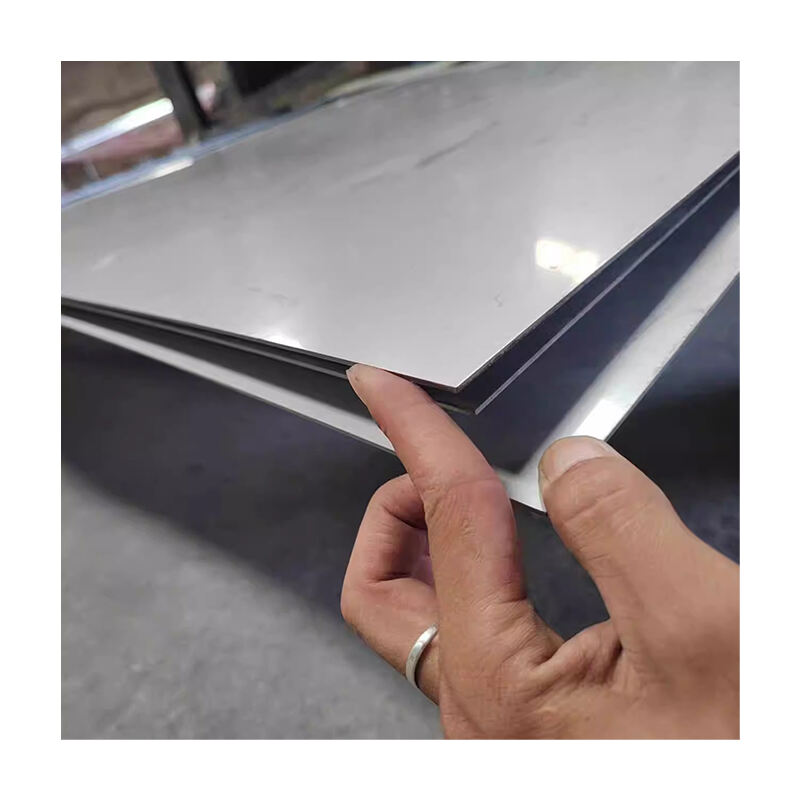
Understanding Stainless Steel Grades and Composition
Common Stainless Steel Grades Used in Kitchen Appliances (304, 316, 430)
When it comes to kitchen appliances, manufacturers typically rely on three main types of stainless steel: 304, 316, and 430. Of these, grade 304 (sometimes called 18/8 or 18/10) is by far the most common choice because it stands up pretty well to rust and doesn't break the bank too much. Then there's grade 316, which contains about 2 to 3 percent molybdenum. This addition makes it much better at resisting damage from saltwater and acids, so we often see it in places near the coast or in commercial kitchens where food gets processed. Grade 430 is another option that resists oxidation reasonably well without the higher price tag, though it doesn't contain any nickel. Because of this, it works best for things like fridge exteriors where moisture isn't a big concern.
Role of Chromium and Nickel: 18/8, 18/10, and 18/0 Compositions
Stainless steel gets its rust resistance mainly from chromium content, which needs to be at least around 10.5% to form that protective oxide layer on the surface. Nickel plays another important role too, helping the metal hold up better when exposed to heat over time. Most kitchen appliances use what's called 18/8 stainless, meaning 18% chromium and 8% nickel. This mix works pretty well for things like sink basins and oven linings where moderate conditions are expected. Going up to an 18/10 ratio adds just a bit more durability, making it better suited for areas that get really hot and wet repeatedly, such as inside dishwashers. On the other end of the spectrum sits 18/0 stainless steel, which has zero nickel content. While cheaper to produce, these grades tend to corrode faster over time, so they're typically only used for non-critical parts like decorative edges or hardware that won't see much moisture exposure.
Food-Grade Stainless Steel Requirements and Certifications
When it comes to stainless steel in food contact situations, compliance with NSF/ANSI 51 standards is essential since these standards check both material safety and how clean surfaces stay over time. Most standard food service equipment works fine with Grade 304 stainless steel. But when dealing with harsher conditions like saltwater exposure or acidic environments, Grade 316 becomes necessary instead. Many top manufacturers electropolish their products to get those super smooth finishes under 0.5 Ra microns. This process really helps reduce places where bacteria can hide and grow, making sure everything stays up to code in busy commercial kitchens where cleanliness matters most.
Corrosion Resistance in Humid and High-Use Kitchen Environments
Why Corrosion Resistance Matters in Kitchen Appliance Design
Kitchen environments are tough on metals because of constant moisture, salt buildup, and those stubborn acidic food residues left behind after cooking. Some recent research into material sciences shows that cheaper steel options can corrode about 30 percent quicker when exposed to damp conditions over time, which means equipment doesn't last as long and becomes harder to keep clean properly. Most stainless steels depend on that protective chromium oxide layer, but choosing the right type matters a lot for resisting the daily wear from cleaning chemicals and other kitchen hazards we encounter every day.
Comparing 304 vs 316 Stainless Steel for Salt, Acid, and Moisture Exposure
| Property | 304 Stainless Steel | 316 Stainless Steel |
|---|---|---|
| Chromium/Nickel Content | 18% Cr, 8% Ni | 16% Cr, 10% Ni, 2% Mo |
| Saltwater Resistance | Moderate (fails at 500ppm) | High (resists 2,000ppm Cl) |
| Acid Tolerance | Good (pH ≥3) | Excellent (pH ≥2) |
| Molybdenum in 316 steel dramatically improves chloride resistance, making it the preferred choice for coastal installations or appliances regularly cleaned with bleach-based solutions. |
Impact of Acidic Foods, Cleaning Agents, and Humidity on Stainless Steel Longevity
Regular exposure to acidic substances like tomato sauce, citrus juice, or vinegar (which typically has a pH between 2 and 4) tends to wear down 304 stainless steel over time, particularly when temperatures exceed 140 degrees Fahrenheit. The situation looks quite different with 316 stainless steel though it holds up much better against these harsh conditions. Many industry hygiene regulations actually mandate the use of 316 in equipment that deals with heavy steam, such as combination ovens and commercial dishwashing machines. These appliances create cycles of high humidity that slowly eat away at the corrosion resistance of lesser quality metals, cutting their effectiveness by around 15 percent each year. When dealing with extended periods of heat and chemical exposure, experts generally advise going for stainless steel grades containing more than 10% nickel content for optimal protection.
Heat and Durability Performance Under Repeated Thermal Cycling
Heat resistance of stainless steel in ovens, stoves, and dishwashers
Grade 304 stainless steel is widely used in commercial kitchen equipment due to its ability to resist oxidation at temperatures up to 870°C (1600°F). Testing shows 304-grade sheets withstand more than 30 thermal cycles between 400°C and 800°C without warping, making them suitable for oven cavities and dishwasher heating chambers.
Structural integrity under thermal expansion and contraction
With a low thermal expansion coefficient (17.3 µm/m°C for 304 vs. 10.4 for 430), 304 stainless steel resists stress fractures during rapid temperature changes. Key performance indicators include fatigue strength retention after 1,000+ dishwasher cycles and resistance to intergranular corrosion in steam-rich environments.
Long-term wear resistance in high-frequency commercial kitchens
According to a recent ASTM International report from 2023, 316-grade stainless steel keeps around 95% of its initial hardness even after sitting through five straight years of constant washing cycles in commercial dish machines. The brushed surface finish actually works pretty well at cutting down those tiny scratches that build up over time during daily cleanings. Plus there's this natural chromium oxide coating that forms on the metal surface which helps fix small dents and marks almost automatically. Most serious equipment makers go for an 18/10 chromium-nickel mix when building restaurant grade appliances because it gives good heat resistance without breaking the bank too much for businesses running high volume operations day after day.
Aesthetic Finishes and Hygienic Surface Properties
Popular Surface Finishes: Brushed, Mirror, Matte, and Fingerprint-Resistant Coatings
Commercial kitchens increasingly value finishes that combine aesthetics with functionality. Brushed (No. 4) finishes minimize visible scratches, mirror (No. 8) finishes offer a polished look for display areas, and matte (BA) finishes reduce glare in workspaces. Advanced fingerprint-resistant coatings utilize nanotechnology to repel oils and smudges while maintaining cleanability.
Balancing Visual Appeal With Practicality and Scratch Resistance
According to a 2024 survey, 68% of professional chefs prioritize finish durability over appearance. Electropolished surfaces demonstrate 40% greater scratch resistance than untreated steel, as confirmed by ASTM B117 salt spray testing. Brushed finishes provide an optimal compromise, concealing up to 90% of daily abrasions from utensils while supporting rigorous sanitation protocols.
Non-Porous Surfaces and Their Role in Food Safety and Sanitation
The non porous quality of stainless steel keeps microbes from getting inside, which is why it typically scores below 0.5 colony forming units per square centimeter during cleanliness tests. This meets those tough NSF/3A requirements needed for dairy processing equipment. When they passivate stainless steel, something interesting happens to the surface. The chromium oxide layer gets stronger, making it much harder for bacteria to stick around. Studies published in the Journal of Food Protection back this up, showing about a 73 percent drop in biofilm sticking to treated surfaces versus regular ones. What makes stainless steel so great for food applications? Well, it doesn't react with cleaning chemicals either. Bleach based cleaners work really well on these surfaces without causing any damage over time. And all this fits within what the FDA says about materials that touch food under Title 21 CFR section 178.1010 regulations.
Cost, Quality, and Selection Best Practices for B2B Buyers
Evaluating Cost-Performance Trade-Offs: 304 vs 430 Stainless Steel
When choosing between 304 and 430 stainless steel, B2B purchasers face the classic tradeoff between quality and price. The 304 grade stands out for its ability to resist corrosion in damp or chemically harsh settings such as inside dishwashers. On the flip side, grade 430 comes in about 30 percent cheaper according to industry specs, though it doesn't hold up well against acid exposure or high humidity levels as outlined in ASTM A240 standards. Appliance manufacturers across the middle market segment tend to specify 304 material for parts that come into contact with steam during operation, while they often go with 430 for outer surfaces where looks matter more than extreme durability requirements.
Avoiding Material Substitution: How to Verify Grade Authenticity
A 2023 industry survey revealed that 18% of stainless steel shipments to appliance manufacturers did not match their specified grade. To prevent material substitution:
- Require mill test reports confirming compliance with EN 10088-2 or ASTM A480
- Perform portable X-ray fluorescence (XRF) analysis on incoming materials
- Partner with suppliers offering full traceability and third-party certification
Verification is essential for critical components like oven liners and refrigerator interiors, where inferior alloys may fail prematurely under thermal cycling.
Industry Case Study: Material Selection for Dishwasher Inner Chambers
One major European appliance maker found out the hard way that their 304 stainless steel inner tanks wore down much faster compared to 316L models when exposed to hard water containing lots of chloride ions. When they made the switch to 316L stainless steel (which has around 2-3% molybdenum added), the number of corrosion complaints from customers went down by nearly 27%. Sure, the materials cost rose by about 15%, but it was worth every penny saved on repairs later on. What this shows is that picking the right metal alloy matters a lot depending on what kind of water conditions the appliances will face, not just going with whatever's standard practice across the board.
FAQ
What are the differences between 304, 316, and 430 stainless steel?
304 stainless steel is common due to its corrosion resistance and affordability. 316 contains molybdenum for better resistance to saltwater and acids, good for coastal or commercial kitchens. 430 is cheaper, resists oxidation, lacks nickel, and suits dry environments or decorative parts.
What makes 316 stainless steel better for salty and acidic environments?
316 stainless steel includes molybdenum, improving chloride resistance and making it ideal for areas with saltwater exposure or regular chemical cleaning.
How does stainless steel help in food safety and sanitation?
Stainless steel's non-porous surface prevents microbial intrusion, and when passivated, it resists bacteria. It's also chemically stable with cleaners, which aligns with FDA food safety regulations.
Which stainless steel grade is best for high-heat applications?
304 stainless steel is excellent for high-heat as it resists oxidation up to 870°C (1600°F), making it suitable for ovens and stoves.
Why is finish important for stainless steel in kitchens?
Finishes like brushing or mirror polish enhance both aesthetics and durability, with resistance to scratches and easier cleaning, supporting hygiene standards in kitchens.
Table of Contents
- Understanding Stainless Steel Grades and Composition
- Corrosion Resistance in Humid and High-Use Kitchen Environments
- Heat and Durability Performance Under Repeated Thermal Cycling
- Aesthetic Finishes and Hygienic Surface Properties
- Cost, Quality, and Selection Best Practices for B2B Buyers
-
FAQ
- What are the differences between 304, 316, and 430 stainless steel?
- What makes 316 stainless steel better for salty and acidic environments?
- How does stainless steel help in food safety and sanitation?
- Which stainless steel grade is best for high-heat applications?
- Why is finish important for stainless steel in kitchens?