 EN
EN

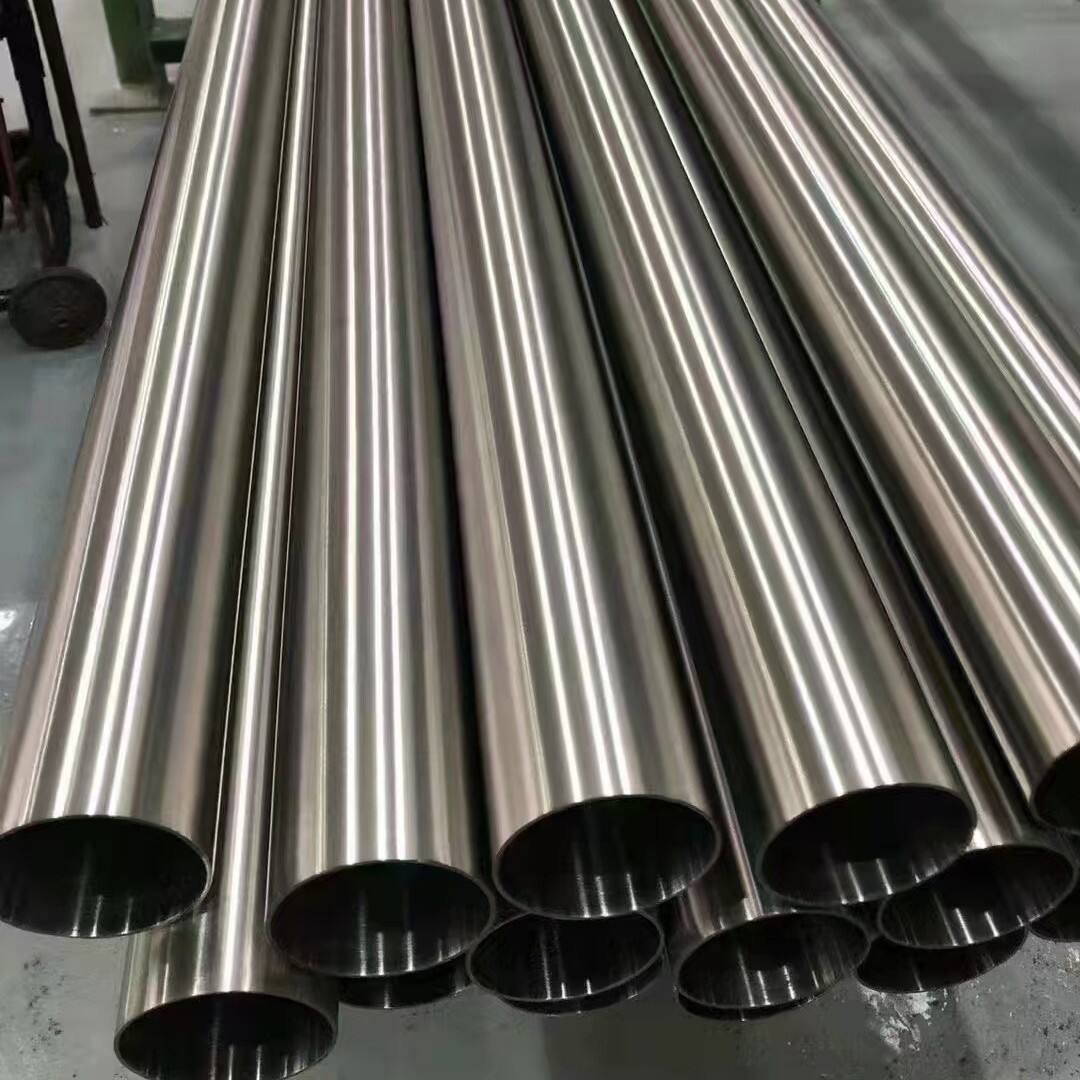
Stainless Steel Tubes in Power Generation and Nuclear Energy Infrastructure
Corrosion and high-temperature resistance in fossil fuel and nuclear steam systems
Stainless steel tubes stand up well against corrosion and heat in those tough conditions found in power generation facilities, working reliably even when temperatures exceed 600 degrees Celsius inside fossil fuel boilers and nuclear steam generators. What makes them special is this protective chromium oxide layer that forms naturally on their surface, which fights off damage from sulfur compounds commonly found in coal fired plants, plus it stops problems like chloride induced stress corrosion cracking in pressurized water reactors. Power plants using these tubes see much fewer failures in components like superheaters and reheaters, cutting down on breakdowns by around 40% compared to regular carbon steel options because they handle repeated heating and cooling cycles better without oxidizing so quickly. When we look at nuclear applications specifically, the steam generator tubes need to stay completely sealed for many years despite facing intense pressures, extreme temperatures, and constant radiation exposure. Grades like 316L and 347H have become standard choices across the industry after extensive testing shows they perform consistently over time in radioactive environments. These materials meet all the necessary safety standards set forth by ASME Section III, meaning operators can go longer between maintenance checks sometimes stretching beyond ten years before needing replacement.
Lean duplex stainless steel tubes for small modular reactors (SMRs) and safety-critical components
The lean duplex stainless steel tubes like LDX 2101 are becoming increasingly popular in new nuclear infrastructure projects, especially when it comes to small modular reactors or SMRs and those parts where safety matters most. What makes these materials stand out is their unique microstructure that gives them about double the strength compared to regular austenitic steels, yet they cost around 40 percent less. This kind of value proposition fits right into what SMR developers need for building things in factories and scaling up economically. These particular alloys also handle stress corrosion cracking really well and maintain their flexibility even after being exposed to 100 displacements per atom worth of radiation damage. That makes them great choices for control rod housings and other structural supports during earthquakes. With good balance between strength and resistance to corrosion, engineers can design smaller reactors that still meet all the tough standards set by ASME Section III for nuclear applications.
Stainless Steel Tubes for Oil & Gas and Carbon Capture Systems
High-pressure, high-temperature stainless steel tube performance in downhole tubing and subsea pipelines
Stainless steel tubes play a critical role in oil and gas extraction where equipment must stand up to extreme conditions. Downhole tubing often deals with pressures over 15,000 psi and temperatures climbing past 300 degrees Fahrenheit. Meanwhile, subsea pipelines have to handle immense underwater pressure plus constant battle against corrosive seawater. Duplex and super duplex stainless steels tackle these problems thanks to their impressive strength properties. These materials resist hydrogen sulfide stress cracking and boast PREN values above 40, which means they fight off chloride pitting and crevice corrosion much better than standard options. Real world numbers back this up too. Operators report that switching from regular carbon steel to CRA tubing cuts maintenance expenses on offshore platforms by roughly 60%. This makes all the difference when dealing with risky upstream operations where downtime can be extremely costly.
Corrosion-resistant stainless steel tubes enabling durable CCUS transport and storage infrastructure
Carbon capture, utilization, and storage (CCUS) systems rely on stainless steel tubing to safely handle impure, moisture-laden CO² streams—where carbonic acid formation, trace oxygen, and sulfur compounds accelerate corrosion in conventional materials. Austenitic (e.g., 316L) and super duplex grades deliver targeted protection across key CCUS segments:
| Application | Challenge | Stainless Steel Advantage |
|---|---|---|
| Transport pipelines | Internal corrosion | Chromium oxide passive layer |
| Injection wells | Thermal cycling stress | Thermal expansion resistance |
| Geological reservoirs | External brine exposure | Chloride stress cracking resistance |
This multi-faceted durability ensures decades of leak-free containment—critical as global CCUS capacity is projected to grow 50-fold by 2040 (IEA, 2023). By minimizing monitoring frequency and eliminating risk of greenhouse gas leakage, stainless steel tubing forms the foundational material for scalable, environmentally compliant carbon management infrastructure.
Stainless Steel Tubes in Hydrogen and Renewable Energy Applications
Hydrogen-ready stainless steel tubes for production, compression, distribution, and fuel cell balance-of-Plant
Stainless steel tubes work really well for hydrogen infrastructure because they resist hydrogen embrittlement, corrosion issues, and can handle high pressure fatigue without breaking down. Most carbon or low alloy steels just don't cut it when it comes to maintaining structural strength throughout all parts of the hydrogen system. We're talking about everything from those output lines coming out of electrolyzers right through to the high pressure compression stages that reach around 700 bar, plus distribution networks and all sorts of fuel cell components. The duplex and super duplex varieties take this even further, making them ideal choices for both gaseous and liquid hydrogen storage tanks as well as pipeline systems. These materials have stood the test of time in other demanding environments too. Take geothermal heat exchangers or offshore wind turbines where saltwater constantly attacks metal surfaces. That's exactly why maintenance costs stay low despite harsh conditions. With green hydrogen projects ramping up everywhere, stainless steel tubing remains a reliable option that meets all necessary codes while helping integrate cleaner energy sources into our existing infrastructure.
Material Selection Criteria Driving Stainless Steel Tube Adoption Across Energy Sectors
When choosing materials for their projects, engineers often go for stainless steel tubes because of three main reasons that work together to keep operations running smoothly while meeting all regulations. Let's start with corrosion resistance. Stainless steel holds up really well against harsh chemicals found everywhere from nuclear reactors to deep sea oil rigs. According to the 2023 report from NACE International, this property alone cuts down on leaks by almost 70%. Next up is how it handles heat. Some special grades can actually perform at temperatures over 800 degrees Celsius without warping or breaking down. This matters a lot in places like steam pipelines and hydrogen compression equipment where unexpected failures would be costly. Maintenance bills drop between 30% and 45% when these parts last longer. And finally there's the money factor. Although stainless steel costs more upfront, it pays off in the long run. Power plants that switch to stainless tubing typically see service life extend from around 7 years to 15 years. So instead of just picking a material, companies are making strategic decisions about safety, environmental impact, and bottom line economics as the energy sector continues changing.
FAQ
Q: What makes stainless steel tubes suitable for high-temperature and high-pressure environments?
A: Stainless steel tubes have a protective chromium oxide layer that enhances their resistance to corrosion and their ability to withstand high temperatures and pressures, making them ideal for use in power generation and nuclear applications.
Q: How do lean duplex stainless steel tubes benefit SMR projects?
A: Lean duplex stainless steel tubes have a unique microstructure that provides high strength at a lower cost. They also resist stress corrosion cracking and maintain flexibility after radiation exposure, making them ideal for safety-critical components in SMRs.
Q: Why are stainless steel tubes preferable for oil and gas applications?
A: Stainless steel tubes, particularly duplex and super duplex, offer excellent resistance to hydrogen sulfide stress cracking and other forms of corrosion. This makes them suitable for extreme conditions in oil and gas extraction, cutting maintenance expenses significantly.
Q: What role do stainless steel tubes play in carbon capture and storage systems?
A: Stainless steel tubes are essential in CCUS systems for handling impure CO² streams. Their corrosion resistance and structural durability ensure leak-free containment and compliance with environmental standards.
Q: How do stainless steel tubes support hydrogen infrastructure?
A: Stainless steel tubes resist hydrogen embrittlement and corrosion, maintaining structural integrity throughout hydrogen production, compression, and distribution systems, which is crucial for integrating greener energy solutions.