 EN

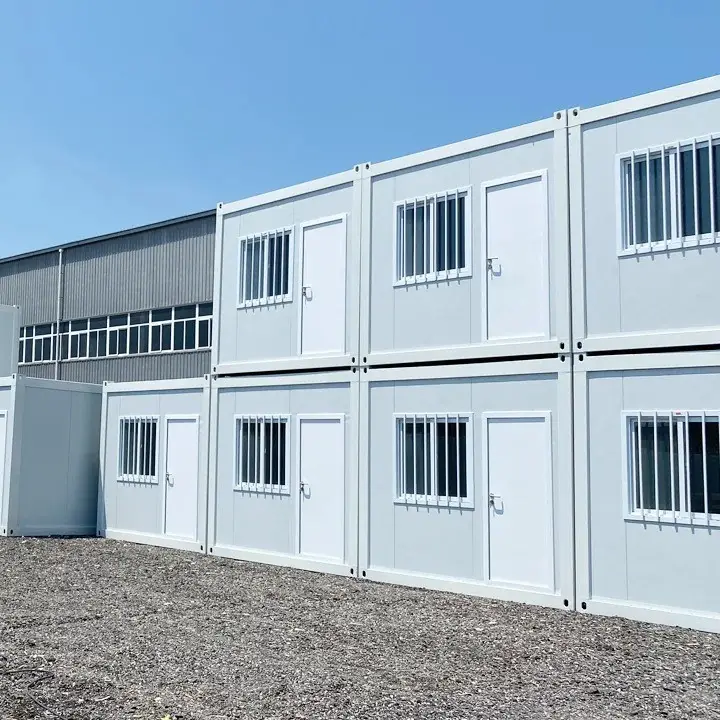
A 40ft container house moves from the factory floor to the building site through a chain of freight, handling, and access decisions that decide whether delivery stays on schedule and on budget. Transport planning starts long before loading, because the unit's size, weight, and fold state change every step downstream. Get the logistics right and the structure arrives ready to set; get them wrong and costs climb at the port, on the road, and at the curb.
Understanding the Shipping Envelope
ISO 668 Dimensions and the 40ft Freight Envelope
A 40ft container house built to ISO 668 occupies an external envelope of roughly 12.19 m × 2.44 m × 2.59 m when shipped as a rigid unit. Those dimensions mirror a standard freight container, so the box fits existing ships, terminals, and chassis without special engineering. The corrugated corten steel shell carries the load through corner castings, which is why spreader bars and twist-locks engage the corners rather than the walls. Knowing the exact envelope prevents clearance surprises at bridges, weigh stations, and gate entries.
Foldable Flat-Pack vs Welded Shipping Units
A welded 40ft container house ships as one rigid box, which fills a full 40ft slot on every leg and maximizes on-site speed. A foldable flat-pack unit collapses its wall and roof panels against the base frame so several houses nest inside a single envelope, cutting sea-freight volume and the number of truck runs. The trade-off is reassembly labor at the destination and care with folding hinges. Buyers should weigh freight savings against site labor, check the modular design's flat-pack hardware, then pick the format that fits the route and the crew.
Sea Freight and Port Logistics
Booking Containerized or Breakbulk Sea Freight
Ocean shipping of a 40ft container house follows two paths. The rigid unit can travel inside or atop a standard container slot as breakbulk on a flat-rack, secured with lashings to the vessel deck. Flat-pack units move inside standard boxes, sharing space with other cargo and lowering the freight rate per house. Route choice depends on destination port equipment and inland distance. Insist on marine-grade coating and a vapor barrier at the factory, because salt spray during transit accelerates corrosion on exposed steel.
Case Study — Casa Móvel Brasil Distribution in São Paulo
Casa Móvel Brasil runs a mobile-home dealership across São Paulo, Brazil, selling expandable folding homes to buyers outside the capital. The background challenge was distribution: importing rigid units meant each 40ft container house filled a full container and demanded a crane at every dealer stop, raising cost and slowing turnover. The solution was foldable flat-pack shipping—several collapsed units nested per sea container, then reassembled at the dealership with basic tools. The effect was faster stock rotation, lower freight per unit, and simpler last-mile delivery through narrow urban streets, which widened the dealer's reach.
Road Transport, Crane and Forklift Handling
Flatbed Trucking and Site Access Clearance
After the port, a 40ft container house transfers to a flatbed trailer for the final road leg. Drivers need a clear path: low bridges, tree branches, and tight corners block an oversize load. Survey the site access before booking the truck—measure gate width, turning radius, and overhead lines. A foldable unit reduces height and footprint, easing permits and maneuvering. Confirm the delivery window with the dealer and keep the staging area graded and firm so the trailer can back in safely without sinking.
Crane and Forklift Rigging Per OSHA and ANSI
Setting down a 40ft container house demands rigging that follows OSHA sling and rigging safety rules and ANSI hand-signal standards. Use rated slings through the corner castings, never through walls, and keep workers outside the swing radius. A forklift with padded forks can shift a flat-pack bundle on firm ground, but a crane handles the vertical set. Inspect slings for cuts before each lift, and brief the crew on hand signals. Proper rigging protects the steel structure and the people on site during every placement, and it keeps the insurance valid.
Permits, Weight and Site Readiness
Permits and Route Planning for Oversize Loads
Moving a rigid unit on public roads usually triggers oversize-load permits and escorts depending on width and route. Plan the path with the carrier: avoid low bridges, weight-limited crossings, and peak-hour zones. Some cities require daylight movement and flagged pilot cars. Secure the permit package before the ship sails so the truck is not held at the terminal. Early route planning also protects schedules and prevents the costly re-routing that eats into a dealer's margin, while keeping neighbors and crews safe.
Weight, Center of Gravity and Pre-Delivery Inspection
A 40ft container house weighs several tonnes once fitted with sandwich panels, framing, and fixtures, so the center of gravity must stay low and centered for safe transit. Load evenly, brace internal loose items, and lock folding hinges before the truck rolls. Before accepting delivery, inspect the unit: check corner castings, confirm the galvanized coating is intact, look for transit dents, and verify documentation matches the order. A careful pre-delivery inspection catches shipping damage while the carrier is still responsible, saving disputes later. Photograph every side on arrival to support any claim.
Transporting a 40ft container house well is a planning exercise, not a luck one. Match the shipping format to the route, respect ISO 668 envelope limits, and rig every lift to OSHA and ANSI practice. The Casa Móvel Brasil case shows how foldable flat-pack shipping turned port-to-dealer logistics from a bottleneck into a smooth flow. Inspect on arrival, confirm site access, and the unit lands ready to install. Smart freight choices protect both the structure and the budget, and they keep the project on schedule from port to pad.
Frequently Asked Questions
Question
What format ships more units per container?
Answer: A foldable flat-pack format ships far more houses per sea container than a welded rigid box. Collapsed wall and roof panels nest against the base frame, so several units share one envelope instead of one unit per slot. This lowers the freight rate per house and reduces truck runs on the road leg. The trade-off is on-site reassembly labor. Choose the format after comparing freight savings with the crew time needed to rebuild at the destination.
Question
Why do lifting plans follow OSHA and ANSI?
Answer: Lifting plans follow OSHA sling and rigging safety rules and ANSI hand-signal standards to protect workers and the structure. Rated slings must engage corner castings, never the walls, and crews stay outside the swing radius during the lift. A documented plan also keeps insurance valid and prevents dropped-load incidents. Proper rigging is not paperwork; it is the control that turns a heavy pick into a repeatable, safe operation on every site and every placement.
Question
How is site access prepared before delivery?
Answer: Site access is prepared by surveying the path before the truck is booked. Measure gate width, turning radius, overhead lines, and any low branches that block an oversize load. Grade and firm the staging area so the flatbed can back in without sinking. Share a site photo with the carrier and confirm the delivery window. Early preparation prevents costly stand-by time at the curb and keeps the unit moving from trailer to pad without damage.
Question
Can a standard forklift move a 40ft container house?
Answer: A standard forklift can shift a folded flat-pack bundle on firm, level ground, but it cannot safely lift a fully built rigid unit. The assembled unit is too heavy and unbalanced for typical forks, and lifting by the walls risks structural damage. Use a crane for the vertical set, and padded forks only for low, nested bundles. Match the machine to the load, confirm the ground rating, and keep people clear during any movement.
Question
Where are oversize-load permits required?
Answer: Oversize-load permits are required wherever the routed width, height, or weight exceeds local road limits, commonly on public highways, low bridges, and weight-limited crossings. Rules vary by state and city, with some demanding daylight movement and pilot escorts. Secure the permit package before the ship sails so the truck is not held at the terminal. Confirm requirements with the carrier early, because late permits cause stand-by charges and missed delivery windows.