 EN
EN

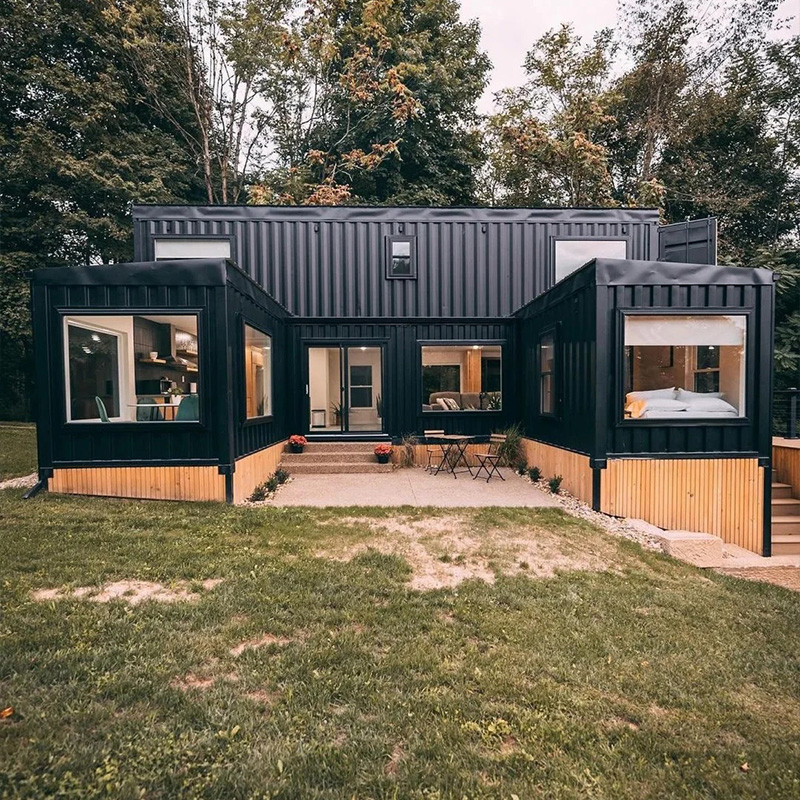
Dark, cramped, and tunnel-like interiors are the most common complaint for standard shipping container homes. With narrow steel walls and limited exterior openings, 40ft container houses easily feel dim and confined.
By using strategic fenestration, anti-glare thermal shading, zoned LED lighting, and off-grid solar lighting systems, you can create a bright, comfortable, energy-saving living space with excellent daylight quality all year round. This article shares practical, builder-tested solutions to maximize natural light and optimize artificial lighting for 40ft container homes.
1. Maximize Natural Light Through Strategic Fenestration
Reasonable window, skylight, and solar tube layout is the core of bright container house design.
South-Facing Window Layout
South-facing openings provide the most stable daylight throughout the year and reduce winter heating loads. Instead of installing small single windows, use side-by-side floor-to-ceiling windows to eliminate dark corners and improve indoor transparency.
Solar Tubes & Tubular Skylights for Blind Zones
Bathrooms, hallways, and inner corridors have no exterior walls and cannot install regular windows. Solar tubes and tubular skylights capture rooftop natural light through high-reflective ducts, providing brightness equal to 200–400W bulbs with zero electricity consumption.
Cross-Ventilation Flat Skylights & Ventilation Design
For non-stacked container houses, double-glazed thermally broken flat skylights brighten living rooms and kitchens significantly. Matching opposite operable windows and windward wing walls realizes cross ventilation, achieving passive cooling while improving daylight uniformity.
A well-designed fenestration system easily meets WELL v2 300–500 lux task lighting standards, balancing daylight, privacy, and thermal comfort.
2. Glare & Heat Control: Avoid Overheating From Excessive Daylight
More natural light does not equal better comfort. Uncontrolled glass exposure causes severe summer heat gain, glare, and eye strain in metal container homes. A layered shading system solves this conflict perfectly.
External Passive Shading
- Fixed window overhangs block high-angle summer sunlight and retain low-angle warm winter light
- Adjustable exterior louvers and retractable awnings reduce cooling load by up to 30%
Internal High-Efficiency Shading & Glass Upgrade
- Low-E coated glass and spectral selective films retain over 50% visible light while blocking UV and infrared heat
- Honeycomb shades and light roller blinds soften glare and reflect heat outward
- Reasonably placed indoor mirrors reflect daylight deeper into narrow rooms
This external + glass + interior shading system ensures bright but cool interiors all year long.
3. Zoned LED Interior Lighting Design for 40ft Container Houses
Container homes are long and narrow, making uniform lighting critical to avoid tunnel visual effects. Adopt a professional three-zone lighting scheme: ambient lighting, task lighting, and accent lighting.
Ambient Base Lighting (Overall Brightness)
Install linear LED strips and recessed panel lights evenly on the ceiling. For standard 8ft width containers, two rows of 4ft LED lights can maintain 300–500 lux working brightness.
- Bedroom/rest area: 2700K–3000K warm white light for coziness
- Work/kitchen area: 3500K–4000K cool white light for clarity
Functional Task Lighting
- Under-cabinet LED strips eliminate kitchen prep shadows
- Swing-arm wall lamps for study and reading corners
- LED edge-lit vanity mirrors for shadow-free bathroom grooming
Decorative Accent Lighting
Narrow-beam spotlights highlight decorations and plants; toe-kick strip lights create floating layering effects. Zoned lighting visually widens narrow container spaces while improving energy efficiency.
According to the U.S. Department of Energy (2023), LEDs save 75%+ energy compared with traditional lights — ideal for low-power-budget container residences.
4. Off-Grid Solar Lighting System Design
For remote container houses without grid power, an independent solar DC lighting system guarantees stable, self-sufficient illumination.
Core Solar System Configuration
- Monocrystalline solar panels installed on flat rooftops
- LiFePO4 deep-cycle batteries + professional charge controller
- Pure DC lighting design reduces inverter loss, improving efficiency by 10–15%
Scientific Load Planning
Calculate daily power consumption based on LED wattage and usage duration to match solar panel and battery capacity. Reserve power for continuous cloudy days and avoid over-discharging:
- LiFePO4 batteries: do not discharge below 80%
- Lead-acid batteries: do not discharge below 50%
Isolate lighting circuits from high-power appliances to ensure stable lighting power supply.
Pre-Wired Solar Kits for Fast & Code-Compliant Installation
NEC-certified pre-wired solar lighting kits come with fused circuits, standard grounding, and matched controllers. They avoid DIY wiring errors, meet residential electrical code requirements, and pass local inspections easily.
5. Smart Control & Long-Term Lighting Maintenance
Smart Lighting Management
Daylight sensors and occupancy sensors automatically turn off unused lights to save energy. Linked with smart blinds and climate systems, the setup intelligently controls solar heat gain.
Wi-Fi/Bluetooth mesh LED systems support mobile scheduling, scene switching, and real-time energy monitoring — perfectly suited for steel container wall structures without destructive wiring.
Daily Maintenance Tips
- Quarterly inspection for wiring corrosion and loose brackets (critical for condensation-prone metal containers)
- Regular lens cleaning to maintain original brightness
- Replace aging LEDs with consistent color-temperature modules
High-quality LEDs support 50,000+ hours lifespan, achieving long-term low-maintenance lighting performance.
FAQ
How do you maximize natural light in a 40ft container house?
Use south-facing floor-to-ceiling windows, rooftop skylights, and solar tubes for inner blind zones. Matching external shading ensures sufficient daylight without overheating.
How to solve glare and heat gain in container house glass areas?
Combine external awnings/louvers, Low-E glass coatings, and honeycomb interior shades to filter heat and glare while preserving daylight.
What is the best lighting layout for narrow container interiors?
Use zoned ambient + task + accent LED lighting, with warm tones for rest areas and cool tones for working zones to avoid tunnel effects.
Is off-grid solar lighting reliable for container homes?
Yes. Matched monocrystalline solar panels and LiFePO4 batteries provide stable DC lighting power with high efficiency and low loss.
How to maintain LED lighting systems in container houses?
Check wiring corrosion and loose fixtures regularly, clean light lenses, and replace LED modules uniformly to ensure long-term stable lighting quality.
Table of Contents
- 1. Maximize Natural Light Through Strategic Fenestration
- 2. Glare & Heat Control: Avoid Overheating From Excessive Daylight
- 3. Zoned LED Interior Lighting Design for 40ft Container Houses
- 4. Off-Grid Solar Lighting System Design
- 5. Smart Control & Long-Term Lighting Maintenance
-
FAQ
- How do you maximize natural light in a 40ft container house?
- How to solve glare and heat gain in container house glass areas?
- What is the best lighting layout for narrow container interiors?
- Is off-grid solar lighting reliable for container homes?
- How to maintain LED lighting systems in container houses?