 EN
EN

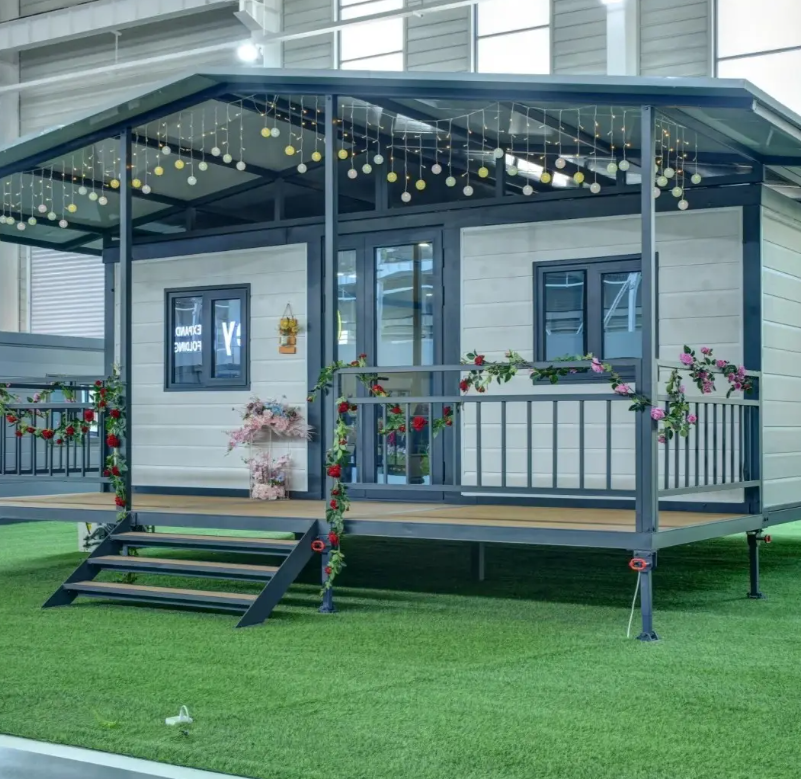
High-Performance Material Selection for Foldable Container House Structural Integrity
Corten vs. Galvanized Steel: Fatigue Resistance and Corrosion-Induced Warping in Foldable Container House Frames
The materials we pick really determine how well these foldable container homes hold up over time. Corten steel develops this protective layer on its surface that actually gets stronger when exposed to weather, which helps prevent those annoying warp issues especially around the beach or in damp areas. Tests from last year showed Corten can handle salt air about two and a half times longer than regular carbon steel before any real damage starts showing up. On the flip side, galvanized steel has this zinc coating that acts like a shield, giving it roughly 60 percent better protection against impacts when people keep opening and closing the containers. This means less strain builds up at the hinges where most failures happen. When projects need to be moved often, like for emergency shelters after disasters or temporary buildings at construction sites, galvanized steel definitely wins out because it takes abuse better. But if the location is near the coast, Corten still comes out ahead for fighting off rust over many years.
Impact of Panel Cutouts and Openings on Rigidity and Stress Distribution in Foldable Container House Designs
When windows or doors aren't properly supported in walls, it can cut down on shear strength by about 40 percent. This creates stress points that tend to make the walls warp especially around those folding seams. Studies have found that adding perimeter reinforcement frames works wonders for structural stability. These frames typically include steel lintels running continuously over openings plus vertical supports placed right next to them. The result? Around 90 something percent of the original rigidity gets restored. Interestingly enough, circular cutouts actually cause about thirty percent less stress compared to their rectangular counterparts. And when corners have radii larger than fifty millimeters, there's a noticeable drop in how often cracks start forming. For anyone dealing with modular structures, these reinforcement techniques aren't just recommendations they're essential for keeping everything intact during shipping, assembly, and regular usage without compromising shape or function.
Precision Folding Mechanism Engineering to Eliminate Hinge-Induced Deformation
Hinge Fatigue Management and Reinforced Folding Edge Design for Long-Term Foldable Container House Reliability
The main reason portable units deform over time is something called hinge fatigue. When manufacturers reinforce those folding areas with thick steel plates around the spots where most stress happens, they actually get about double the number of times the hinges can open and close before failing compared to regular models. We've run tests simulating tens of thousands of these movements and found that cracks form roughly 80% less often with this reinforced design. Another important detail for durability involves leaving small spaces between parts that move against each other. These gaps need to be at least 1.5 millimeters wide so materials can expand naturally when temperatures change throughout the day. This simple adjustment helps maintain proper function whether the unit sits in a hot warehouse or gets used outdoors in cold weather conditions.
±2mm Dimensional Tolerance Control in Unfolding Systems to Ensure Alignment and Prevent Cumulative Warping
Getting things right when it comes to deployment depends heavily on those folding parts made through CNC machining, which need to stay within about plus or minus 2 millimeters in size. When these components go outside that range, problems start showing up pretty quickly. Research from actual field work shows that even small deviations can lead to roughly 0.8 degrees of misalignment during each expansion cycle. After going through just twenty such cycles, this adds up to around 15 centimeters of structural drift overall. The system keeps everything aligned properly thanks to continuous load paths combined with strong locking pins and careful calibration guided by lasers. These features help ensure panels remain flat and seams look consistent throughout. With all this attention to detail, forces get spread out evenly across the entire frame structure, so there's no gradual bending or warping happening over time as would normally occur otherwise.
Post-Expansion Structural Reinforcement and Load Path Optimization
Targeted Reinforcement at Expansion Seams, Folding Edges, and Connection Nodes in Foldable Container House Units
The expansion seams, those folding edges we always seem to overlook, plus all those connection points throughout structures tend to be real trouble spots for fatigue issues and damage from the environment over time. When we wrap composite fibers around those expansion seams, it actually increases their tensile strength quite a bit - somewhere around 40% according to tests - while still keeping things flexible enough for normal movement. For connection nodes, adding steel gusset plates works wonders in spreading out the load so it doesn't all fall on those sensitive fastener areas anymore. And don't forget about those folding edges either. Putting on some steel doublers there, even just a few millimeters thick, has been shown through various stress tests to cut down on fatigue cracks by roughly half. Embedding strain gauges into these key locations lets engineers spot problems way before anyone notices any actual warping happening in the field.
Rigid Locking Systems and Continuous Load Path Design to Resist Dynamic Loads and Misalignment
The interlocking pin system comes with around 2mm tolerance which helps keep things aligned properly when unfolding, so those little positioning errors don't build up over time. What these mechanical features do is create solid load paths that actually direct wind and earthquake forces straight through the strong vertical parts of the structure rather than letting them hit the fold lines. When we look at wind speeds around 80mph, structures with continuous load paths tend to deform about 55% less than ones with broken up connections, though results can vary depending on specific conditions. The hydraulic locking mechanism works without bolts and kicks in automatically once everything expands fully, keeping the whole thing rigid without needing someone to manually adjust anything. Routing all those moving forces through main structural components instead of letting them affect the folding parts really makes a difference for maintaining structural soundness in these kinds of portable but high performance setups.
FAQ
What is the advantage of using Corten steel in foldable container houses?
Corten steel develops a protective layer that strengthens when exposed to weather, making it highly resistant to warping, especially in coastal or damp environments.
How does reinforced folding edge design enhance container house reliability?
By reinforcing folding areas with thick steel plates, manufacturers can double the durability of the hinges, reducing the likelihood of deformation over time.
Why is it important to maintain a ±2mm dimensional tolerance in unfolding systems?
Maintaining this tolerance ensures proper alignment during deployment, preventing cumulative warping and structural misalignment over time.