 EN
EN

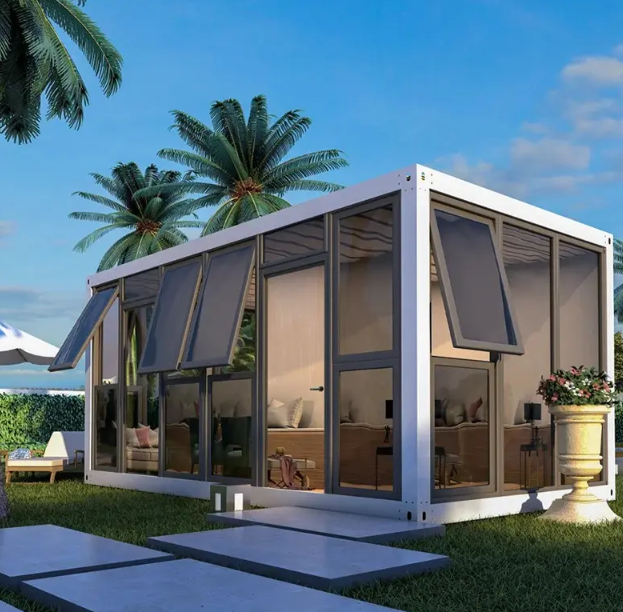
Интеграција на инфраструктурни кориснички услуги за системи со контейнери за домови
Достава на вода, водовод и канализација за единици со контейнери за домови
Добро планирање на водоснабдувачките системи штеди пари во иднина при изградбата на куќи направени од контейнери. Секогаш поставувајте водоводните инсталации низ специјалните сервисни зони наместо да правите отвори во носечките ѕидови — ова ги запазува целосно структурните елементи и значително олеснува идните поправки. Во постудените региони, ПЕК цевките работат одлично бидејќи не се пукаат при замрзнување и лесно се свиткуваат дури и во тесни простори. Според повеќето современи градежни прописи, отводните цевки мора да имаат нагиб надолу од најмалку 2 %, што помага течноста слободно да тече и спречува застој. Не заборавајте да изолирате сите цевки кои минуваат низ надворешните ѕидови или незавршени простори. Безрезервоарните бојлери се уште една разумна опција: зафаќаат помалку простор и со временот нудат енергетска ефикасност и намалување на сметките за енергија. Сепак, пред да ги потврдите сите детали на дизајнот, консултирајте се со локалните власти за поврзување со канализационата мрежа, добивање дозвола за системи за сиви води и осигурување дека ги исполнувате сите нивни специфични прописи за управување со отпад.
Електрични инсталации, распределба на електрична енергија и соодветност со безбедносните прописи при изградбата на куќи во контейнери
Пред да се прават било какви исечоци на метални компоненти, неопходни се соодветни пресметки на товарот и детални шеми на струјните кола за електричните системи. При полагање на кабелските цевки, секогаш треба да се минува низ појачани, запечатени продупчувања наместо преку едноставни просверлени дупки. Со тоа се одржува и структурната интегритет и критичните оцени за отпорност кон пожар. Апаратите со висока моќност, како што се системите за загревање, индукциските шпорети и станиците за полнење на електромобили, мора да имаат посебни посветени струјни кола. Според стандардите NEC 2024, заштитите GFCI и AFCI мора да се инсталираат на растојание од најмногу шест стапки од изворите на вода, како што се мивките, душевите и пералниците. Заземјувањето на целиот контейнер е апсолутно задолжително. Структурите од челик, особено, имаат потреба од силни поврзувачки врски за спречување на статичкото полнење и создавање безбедни патеки за струјата при грешка. Секој ко работи на автономни или комбинирани системи за напојување треба да воведе сертифицирани професионалци само при поставувањето на системот. Процесот на конверзија помеѓу електричната енергија со еднонасочна струја (DC), напојувана од батерии, и наизменичната струја (AC), носи специјални безбедносни загрижености и регулаторни захтеви кои не можат да се решат без соодветна сертификација.
Вонмрежни и одржливи системи за поддршка за живеење во куќички-контейнери
Соларна енергија, батериско складирање и хибридна електроенергија за независност на куќичките-контейнери
Вистинската енергетска независност всушност не се однесува на тоа колку опрема некој може да собере заедно. Повеќе се однесува на имање на системи кои добро работат заедно во соодветна големина. Основата обично започнува со инсталирање на соларни панели врз основа на вистинските годишни потреби од електрична енергија, а не врз основа на тоа колку би произведувале под идеални услови. Повеќето луѓе откриваат дека батериите со литиум-железо-фосфат обезбедуваат околу 10 до 15 киловатчаса корисна енергија за работи како осветлување, работа на фрижидер и полнење на мобилни телефони. Некои луѓе дополнуваат својот соларен систем со мали ветерни турбини или резервни пропан генератори во месеците кога сончевата светлина е ретка. Овој пристап спречува губење на пари за прекумерно големи соларни инсталации. Интелигентните контролери помагаат во управувањето со сите овие уреди така што тие надежно работат дури и далеку од градските мрежи. Овие системи значително намалуваат јаглеродниот отпечаток, можеби штедејќи околу три тона CO₂ секоја година, во зависност од локацијата. Најважно за вистинска самодоволност не е неопходно да се инсталираат сите можни вати, туку да се одреди кои апарати апсолутно први треба да имаат напојување, да се следат шаблоните на потрошувачка и да се постават батериите на место каде што екстремните температури нема да ги оштетат со текот на времето.
Собирање на дождовница и управување со сивата вода во куќни контейнерски примени
Патот кон отпорност на водните ресурси започнува веднаш на покривите на зградите. Системите за собирање на дождовница ги собираат дождовните капки преку специјални водосточни цевки дизајнирани според стандардите за контакт со храна, насочувајќи ја собраната вода во резервоари за складирање изработени така што ќе бидат отпорни на УВ-зраците. Овие системи обично вклучуваат неколку филтрациони слоеви, како што се уловувачи на талог, филтри со активен јаглен и понекогаш УВ-зраковно третман, за да се осигура дека водата е пиелива (каде што е дозволено) или барем доволно безбедна за употреба како наводнување на растенија или испуштање на тоалети. Повеќето домакинства произведуваат помеѓу половина и четири петини од својата отпадна вода само од душевите и кухненските мивки. Кога ќе се комбинираат со компостирачки тоалети кои сосема не бараат вода за испуштање, овие методи за заштита можат да намалат употребата на пресна вода за околу четириесет илјади галони годишно за типично домакинство. Современите системи се опремени со интелигентни механизми за преливање и автоматски прилагодувања според сезоните, па затоа не се повредуваат дури и во време на силни бури. Ова ги прави решенијата за управување со вода ефикасни и во суви области или места склони на поплави, каде што обичните градски водоводни системи не се достапни.
Клима-адаптивна контрола на околината за куќни изградени од контейнери
Избор на HVAC системи, изолациони стратегии и заштита од временски услови за трајност на куќни изградени од контейнери
Челикот има овој проблем што одлично го проводи топлината, па затворените куќи брзо стануваат многу топли или ладни, што води до кондензација и екстремни температурни флуктуации внатре. Понекогаш внатрешната температура може да се менува за повеќе од 20 степени Фаренхајт во споредба со обичните куќи, ако не се предвидат соодветни мерки. Изолацијата веројатно е најважната мерка за поправка. Примената на затворено-клеточна пена со прскање по сите внатрешни површини дава изолационска вредност од околу R-30, додека истовремено запечатува протечности на воздух под 0,5 замени на воздух по час. Ова спречува непријатните топлински мостови и го спречува натрупувањето на влажност внатре во ѕидовите. Во врска со загревањето и ладењето, најдобро решение се безканалните мини-сплит системи, бидејќи работат со инвертори кои го прилагодуваат потрошувачкиот капацитет според барањето. Овие системи штедат околу 30% во споредба со старите прозорски единици, што е особено важно кога просторот е ограничен и луѓето влезуваат и излезуваат преку целиот ден. За заштита од временските услови, различните региони бараат различни пристапи. Покривните премази со „ладен покрив“ одбиваат сончевата светлина од зградите во сушните клими, намалувајќи ја топлинската добивка скоро наполовина. Во бреговите области каде што влажноста е проблем, комбинираме дишечки мембрани со соодветни системи за вентилација за управување со натрупувањето на влага. А за места каде што температурите падаат под точката на замрзнување, специјалната конструкција околу вратите и прозорците намалува топлинските мостови за околу 70%. Сите овие мерки заедно осигуруваат удобна внатрешна температура од силно ниски до екстремно високи температури, штедејќи на домашните стопани помеѓу 25% и 40% годишно од нивните енергетски сметки.
| Адаптација на климата | Клучно решение | Погода за перформансите |
|---|---|---|
| Термичка регулација | Изолација со прскачка пена (R-30+ вредност) | Одржува <0,5 ACH протекување на воздух |
| Екстремната топлина | Рефлективни покривни премази | Намалува внатрешната температура за 10–15°F |
| Висока влажност | Парни бариери + балансирана вентилација | Спречува 90% градење на кондензат |
| Студени средини | Рамка со топлинска изолација | Елиминира 70% од студените мостови |
Темели, мобилност и интеграција на локалитет за поставување на куќи во контейнери
Стратегијата за темелите навистина е од суштинско значење за траењето на куќата изградена од контейнери, нејзината адаптивност и дали ќе ги исполнува прописите, надминувајќи ја само почетната функција да стои успоредно. Традиционалните куќи бараат длабоки темели, но зградите од контейнери работат со различни видови темели, во зависност од релјефот на теренот и специфичните потреби на проектот. Бетонските плочи се одлични за постојани решенија на почва со добро дренажно својство. Ако постои ризик од поплави или теренот е неравен, тогаш темелите со стубови и греди ги подигнуваат контейнерите и истовремено овозможуваат проводување на комуналните инсталации под нив. За привремени решенија или кога е потребно често преместување, шупливи падови од шут или челични рамки врз утрамбена земја намалуваат трошоците за околу 40% во споредба со стандардните бетонски леанки. Исто така, многу важно е да се изврши анализа на теренот пред започнување на изградбата. Испитувањата на почвата ни покажуваат дали е доволно едноставно нивелирање или пак се потребни специјални хеликални темели за спречување на потцедување или странично поместување. Контейнерите исто така мора да бидат правилно закачени со системи за врзување кои се сертифицирани за локалните ветрови и земјотреси, за да останат безбедни во време на лошо време. Модуларните врски, како што се завртени агли, олеснуваат проширување подоцна преку стапирање или приклучување на страни. Правилното дренирање, осигурувањето дека сите елементи се во согласност со прописите за длабочина на замрзнување и одредувањето на местата каде ќе се поврзат комуналните инсталации треба да се извршат пред доаѓањето на контейнерите на локацијата. Одложувањето на овие активности до по доставата предизвикува сериозни проблеми при поврзувањето на водовод, струја и интернет како за мрежно поврзани, така и за целосно автономни системи.
Често поставувани прашања
Кој материјал за инсталации е препорачан за студени клими?
PEX цевките се препорачани за студени клими бидејќи не пукаат кога ќе замрзнат и се доволно флексибилни за тесни места.
Како може да се осигура електричната безбедност во контейнерските домови?
Електричната безбедност може да се осигура со правилни пресметки на оптовареност, заземјување на контейнерот и одржување на огненоотпорните класификации преку појачани, запечатени цевкови премини.
Која е најефикасната метода за изолација на контейнерските домови?
Најефикасна е изолацијата со затворени-клеточна пенка со прскање, бидејќи обезбедува вредност на изолација R-30 и го намалува протекувањето на воздухот на помалку од 0,5 воздухови размена по час.
Како може да се минимизира потрошувачката на вода во контейнерските домови?
Потрошувачката на вода може да се минимизира со имплементација на системи за собирање на дождовна вода и управување со сива вода, како и со користење на компостирачки тоалети кои ги намалуваат захтевите за вода за испирање.
Содржина
- Интеграција на инфраструктурни кориснички услуги за системи со контейнери за домови
- Вонмрежни и одржливи системи за поддршка за живеење во куќички-контейнери
- Клима-адаптивна контрола на околината за куќни изградени од контейнери
- Темели, мобилност и интеграција на локалитет за поставување на куќи во контейнери
- Често поставувани прашања