 EN
EN

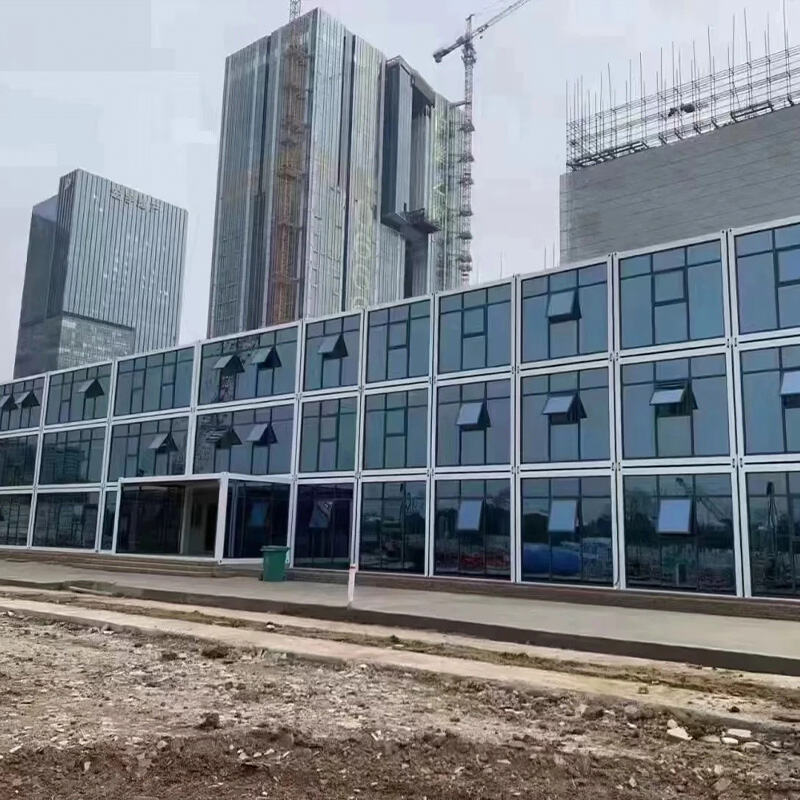
What Is a Foldable Container House?
Foldable container houses are basically prefabricated structures made with steel frames that can be deployed quickly and transported efficiently. When folded down for shipping, these containers shrink to about one fifth of their normal size, which means companies save around 60 percent on logistics costs compared to regular buildings. After arriving at the destination site, workers simply unfold them into complete living or workspace areas within roughly two days. These units come equipped with built-in insulation, wiring for electricity, and plumbing already installed, so there's very little manual work needed and absolutely no need for traditional foundations. Available options include everything from small studio apartments all the way up to multiple room setups that can even expand later if needed. Great for emergency situations after disasters, temporary housing for people working far away from home, or as actual long term residences. The special folding system uses strong hinges along with light but durable composite materials that keep the whole thing sturdy despite being able to bend and flex repeatedly. By repurposing old shipping containers instead of letting them go to waste, this approach reduces construction waste by about seven out of ten parts according to research published by the Modular Building Institute back in 2023.
Key Advantages of Foldable Container Houses
Foldable container houses deliver transformative benefits across three critical dimensions: rapid deployment, cost efficiency, and environmental responsibility. Their modular engineering redefines construction speed, resource allocation, and sustainability outcomes.
Speed of Deployment and On-Site Assembly
- Units unfold from transport-ready configurations into habitable structures within hours'bypassing foundation work and eliminating weather-related delays.
- A single truck can carry 10'12 units simultaneously, streamlining logistics and accelerating project timelines by 60'80% versus conventional builds.
Cost Efficiency and Reduced Labor Requirements
- Repurposed shipping containers reduce structural material costs by 40'60% (2023 Modular Construction Report).
- Plug-and-play assembly requires 30'50% fewer workers, cutting installation expenses by $8,000'$15,000 per unit.
- Galvanized steel frames offer low-maintenance durability with a service life of 10'15 years.
Sustainability Through Modular Reusability and Low Waste
- Units endure 180+ folding cycles and full relocations without structural degradation, supporting circular economy goals.
- Integrated high-performance insulation and solar-ready roofs cut operational emissions by 25% annually.
- Standardized factory production generates 90% less site debris than stick-built construction.
Common Applications and Use Cases
Emergency Housing and Disaster Relief
Foldable container houses provide immediate shelter in post-disaster scenarios'unfolding in hours rather than weeks. Their modular scalability supports rapidly configured camps, while weather-resistant steel frames withstand extreme conditions. Minimal setup requirements also reduce dependence on heavy machinery, making them viable even where infrastructure is compromised.
Temporary Workforce Accommodation on Remote Sites
In mining, energy, or infrastructure projects, flat-packed transport slashes shipping costs by up to 40% compared to standard prefab modules. On-site conversion into habitable units'with pre-installed utilities'requires little labor or equipment. Reusability across project cycles further enhances long-term value, especially for rotational worker housing.
Pop-Up Commercial Spaces and Eco-Tourism Lodges
Entrepreneurs deploy these units for temporary retail, cafés, or exhibition venues needing fast market entry and seasonal flexibility'e.g., beachside bars that relocate inland for winter. Eco-tourism operators adopt them for low-impact lodges: modular designs minimize site disturbance, and recycled steel construction supports sustainability certifications like LEED.
Selecting the Right Foldable Container House Provider
Certifications, Structural Integrity, and Climate Adaptability
When looking for construction partners, go with those who meet international standards like the International Building Code (IBC). Make sure they can show proper engineering documentation proving their structures handle local wind and snow loads correctly. In areas with harsh weather conditions, it pays to check if they're using thermal break framing systems and applying corrosion resistant coatings to metal components. Quality matters a lot during manufacturing too. ISO certification isn't just paperwork - real world data shows that around 60 percent of unnecessary retrofit expenses in modular homes come from structural issues that should have been caught earlier. Good quality control saves money down the road while keeping residents safe.
Customization Options and Integration Support (Utilities, Insulation, Finishes)
Evaluate flexibility in spatial layout and pre-installed utility conduits for electrical, plumbing, and HVAC integration. Leading manufacturers offer:
- Factory-applied insulation (spray foam or PIR panels) achieving U-values ≤ 0.28 W/m²K
- Rapid-install interior finishes compatible with modular workflows
- On-site technical support for utility hookups and drainage integration
BIM file customization enables accurate pre-deployment visualization'reducing rework by 35% versus post-assembly modifications. Always validate regulatory compliance with local building authorities before procurement to ensure long-term performance, safety, and sustainability.
FAQ
What is a foldable container house?
A foldable container house is a prefabricated structure that can be easily transported and quickly assembled on-site. It is made of steel frames and often repurposes old shipping containers. These houses come with built-in utilities and insulation, avoiding the need for traditional foundations.
How quickly can a foldable container house be assembled?
Foldable container houses can be unfolded and fully assembled on-site within roughly two days, thanks to their modular design and built-in components.
What are the cost advantages of using foldable container houses?
Foldable container houses offer significant cost savings in logistics, material costs, and labor. They can reduce structural material costs by 40–60% and require 30–50% fewer workers for assembly, cutting installation expenses substantially.
Are foldable container houses environmentally friendly?
Yes, foldable container houses are environmentally friendly. They are built from repurposed shipping containers, reducing construction waste significantly. They also boast features like high-performance insulation and solar-ready roofs, which reduce operational emissions and energy consumption.
In what scenarios are foldable container houses most commonly used?
These structures are commonly used as emergency housing, temporary workforce accommodation, pop-up commercial spaces, and eco-tourism lodges due to their versatility, rapid deployment capability, and cost-effectiveness.