 EN
EN

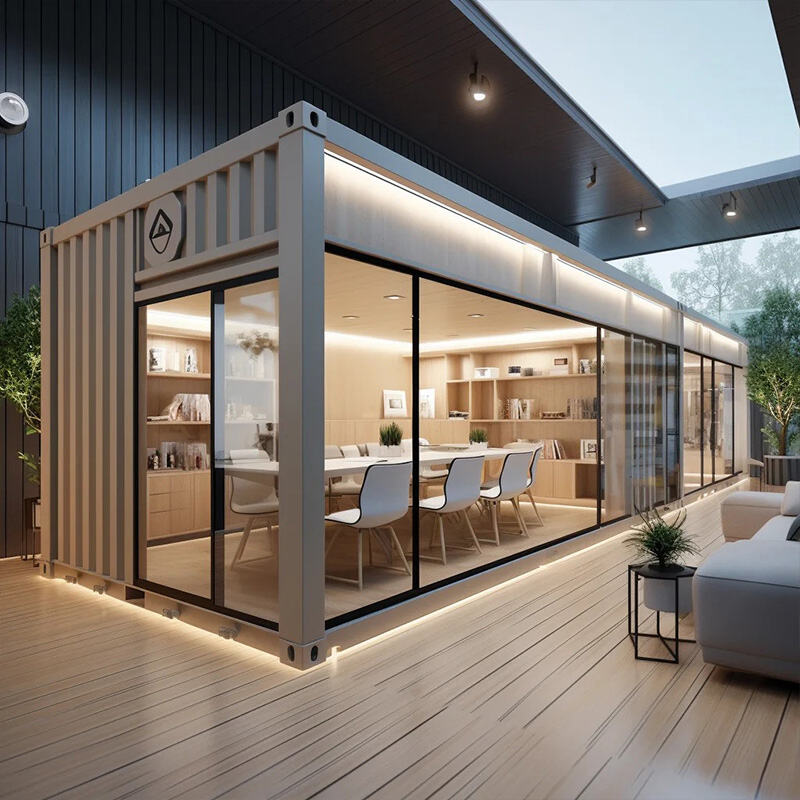
Primary Structural Materials in Prefab Container House Construction
Recycled ISO Shipping Containers and Corten Steel: Strength, Reusability, and Load-Bearing Integrity
Old ISO shipping containers form the main structure of those prefab container homes we see popping up everywhere these days. They're made from Corten steel, which is basically a special kind of weathering steel alloy known for standing up well against corrosion from the elements. What makes Corten so great? Well, when it gets wet and comes into contact with air, it forms this stable rust layer that actually protects itself. No need for painting or adding extra coverings, yet the containers still hold their strength and can bear weight properly. The steel has a minimum yield strength around 50 ksi, meaning each container can handle stacking weights of about 192,000 pounds safely. That's why we can build multi-story buildings using them without worrying about safety codes. Most ISO certified containers come in standard sizes either 20 feet or 40 feet long and always 8 feet wide across. These containers last for decades, typically over 30 years, with hardly any upkeep needed at all. Because they follow such strict dimensional standards, engineers find it much easier to make sure these structures meet building codes for things like earthquakes and strong winds.
Light Gauge Steel (LGS) Framing for Add-On Modules and Interior Partitions
When it comes to prefab container houses, light gauge steel framing brings real flexibility to the table, particularly when designing things like interior walls that don't need to support weight, cantilever sections sticking out from containers, or those cool hybrid additions people love adding later. Made from cold formed G90 zinc coated steel, these frames maintain very precise dimensions within about 1mm tolerance while still being surprisingly strong for their weight. Plus they can be recycled completely at the end of their life cycle. The material doesn't burn either, so it passes all the ASTM E119 fire tests without issues. And because of different levels of galvanization from Z275 right up to Z600, these steel components stand up well against rust even near oceans or in damp climates where regular steel would corrode quickly after just 1000 hours in salt spray chambers according to ASTM B117 standards. When builders integrate LGS properly into main container frameworks, architects get creative freedom too - think expandable outdoor spaces that fold out when needed, interiors that can change layout over time, or smooth connections between old shipping containers and newer building parts made conventionally.
Thermal, Fire, and Acoustic Insulation Specifications for Prefab Container Houses
Insulated Sandwich Panels: Core Materials, R-Values, and Climate-Specific Performance
The insulated sandwich panels used in modern prefab container homes offer all-in-one solutions for temperature regulation, noise reduction, and protection against moisture buildup. When choosing core materials, local climate conditions play a big role. For areas with lots of humidity near the coast, polyisocyanurate or PIR foam works best since it provides around R-6 to R-8 insulation value per inch and naturally resists vapor penetration. On the other hand, mineral wool stands out for absorbing sound effectively with NRC ratings between 0.75 and 1.0, plus it handles fires better too. But there's a catch - mineral wool needs to be thicker to reach similar R-4 efficiency levels compared to PIR. Setting appropriate R-value goals based on specific regional climates makes a real difference in how well these structures perform energetically over time.
- Arctic/cold regions: roof R-49–R-60, wall R-21+ to mitigate thermal bridging
- Hot-humid climates: vapor-impermeable cores (e.g., closed-cell spray foam) at R-13–R-15 walls
- Temperate zones: balanced R-30 roofs and R-15 walls for year-round efficiency
Properly specified assemblies reduce HVAC demand by 25%–30% and eliminate condensation risks within steel cavities.
Fire-Retardant Systems and Compliance with Euroclass B-s1,d0 and ASTM E84 Standards
When it comes to fire safety for those modular container homes, builders depend on properly integrated systems that have been tested and approved by independent labs. The mineral wool insulation at the core of these structures is rated Euroclass B-s1,d0, which means it limits how fast flames can spread (Class B rating), produces minimal smoke (s1 classification), and won't drop any flaming particles (d0 standard). For the structural steel components, special coatings are applied that actually swell when exposed to heat, creating protective char layers that help slow down the fire's progress. Across North America, building codes require these assemblies to meet ASTM E84 Class A standards, specifically flame spread no greater than 25 and smoke development below 450. Testing in certified laboratories has shown that key parts of these structures can resist fire for between 30 to 60 minutes. This includes important areas like shared walls between units in multi-family setups. Such fire resistance not only keeps people safe but also makes sure everything complies with local regulations wherever these container homes might be located.
Sustainability and Indoor Environmental Quality in Prefab Container House Materials
Recycled Content, Low-VOC Coatings, and Cradle-to-Cradle Certification Pathways
Sustainability starts at the foundation when it comes to prefab container homes. The Corten steel used in construction typically contains around 80% recycled material, which cuts down on carbon emissions while still maintaining structural integrity. Inside these spaces, builders stick to low-VOC coatings and adhesives as standard practice. This helps minimize harmful chemical release into the air we breathe. Recent studies by environmental agencies place indoor air quality right up there with other major public health concerns. Most materials found in these homes qualify under LEED standards for creating healthier living environments. Many top manufacturers go even further by seeking Cradle-to-Cradle certification. They assess everything from what's good for our bodies to how products get reused, look at renewable power options, check water usage practices, and consider fair labor conditions throughout production. What makes this approach special is how it creates closed loops in building processes. Old insulation materials become new raw materials, surfaces get repurposed rather than discarded, and components that reach the end of their life cycle find new homes in upcoming projects instead of ending up in landfills.
Critical Non-Structural Technical Specifications for Long-Term Performance
Dimensional Tolerances, Galvanization Grades (Z275–Z600), and Corrosion Resistance Validation
How precise manufacturing affects long term performance matters a lot. When structural parts are made within tight tolerances of plus or minus 1 to 1.5 millimeters, it makes sure everything fits together properly without leaks, stops heat from escaping through gaps, and keeps modules working well together. The level of galvanization really impacts how well materials stand up to different environments. For regular land based projects, Z275 coating at 275 grams per square meter works fine, but when building near the coast or in factories where there's more pollution, going with Z450 or better becomes necessary. All these protective coatings get tested by independent labs using salt spray chambers for anywhere between 1,000 to 2,000 hours according to ASTM standards. The best ones, those rated Z350+, show at least an 80% drop in rust formation compared to plain steel left unprotected. This kind of quality control cuts down on repair bills over time something worth remembering since industrial corrosion alone costs around 2.5 trillion dollars every year worldwide according to recent research from NACE International.
| Specification | Standard Range | Impact on Longevity |
|---|---|---|
| Dimensional Tolerance | ±1.0–1.5mm | Prevents water ingress |
| Galvanization Grade | Z275 (low) – Z600 (high) | Coastal: Z450+ recommended |
| Salt Spray Validation | 1,000–2,000 hours | ¥80% corrosion reduction |
Frequently Asked Questions (FAQ)
What are the main benefits of using Corten steel for prefab container homes?
Corten steel offers excellent corrosion resistance and strength without needing additional coatings, thus extending the life of prefab container homes and ensuring structural integrity.
How does light gauge steel framing contribute to prefab container house flexibility?
Light gauge steel framing allows for flexible interior layout designs and the addition of non-structural elements like cantilever sections, making it easier for homeowners to customize their spaces.
What insulation materials are best for different climates in prefab container homes?
For humid coastal areas, polyisocyanurate (PIR) foam is ideal due to its high R-value and moisture resistance. Mineral wool is best for sound absorption and fire resistance in less humid climates.
How do prefab container homes ensure fire safety?
Prefab container homes utilize mineral wool insulation and fire-retardant coatings on steel components to meet strict fire safety standards, significantly reducing flame spread and smoke production.
Why is sustainability important in prefab container home construction?
Sustainability reduces environmental impact, enhances indoor air quality, and often adheres to standards like LEED, promoting a healthier, eco-friendly living environment.
Table of Contents
- Primary Structural Materials in Prefab Container House Construction
- Thermal, Fire, and Acoustic Insulation Specifications for Prefab Container Houses
- Sustainability and Indoor Environmental Quality in Prefab Container House Materials
- Critical Non-Structural Technical Specifications for Long-Term Performance
-
Frequently Asked Questions (FAQ)
- What are the main benefits of using Corten steel for prefab container homes?
- How does light gauge steel framing contribute to prefab container house flexibility?
- What insulation materials are best for different climates in prefab container homes?
- How do prefab container homes ensure fire safety?
- Why is sustainability important in prefab container home construction?