 EN
EN

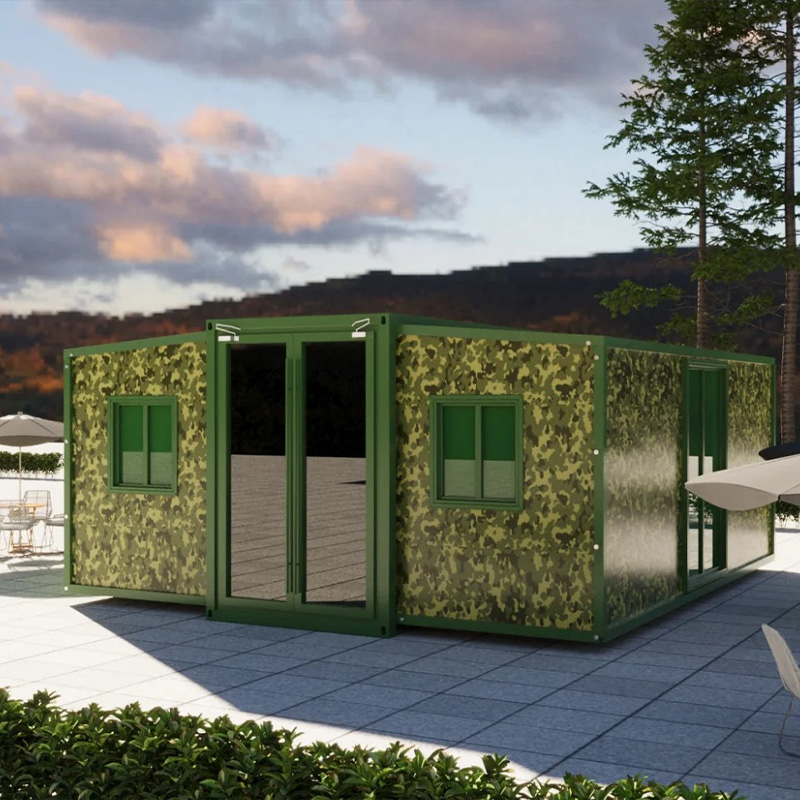
The construction industry is shifting toward faster, smarter solutions. If you are exploring efficient building methods, a prefab container house is likely at the top of your list. These modular units act as the "LEGO sets" of modern construction—pre-engineered, factory-finished, and designed for rapid deployment. Whether you are setting up a remote project camp or a modular office, mastering the assembly process is the key to achieving a high-performance build.
Site Preparation: The Foundation of Success
Before the first steel panel arrives, you need a solid plan. A common pitfall is treating site preparation as an afterthought. You do not always need a massive concrete slab, but you do require a perfectly level surface to ensure the structural integrity of your prefab container house.
| Foundation Type | Ideal Application | Key Advantage |
| Dot Pillars | Soft or Remote Terrain | Cost-effective, allows for air circulation |
| Strip Foundation | Standard Soil | Balances stability with material usage |
| Hardened Slab | Permanent Installations | Maximum structural longevity and load capacity |
Ensuring your base is level is critical. Even a slight deviation of a few centimeters can cause misalignment in the bolt connections for wall panels and roof sections, complicating the later stages of assembly.
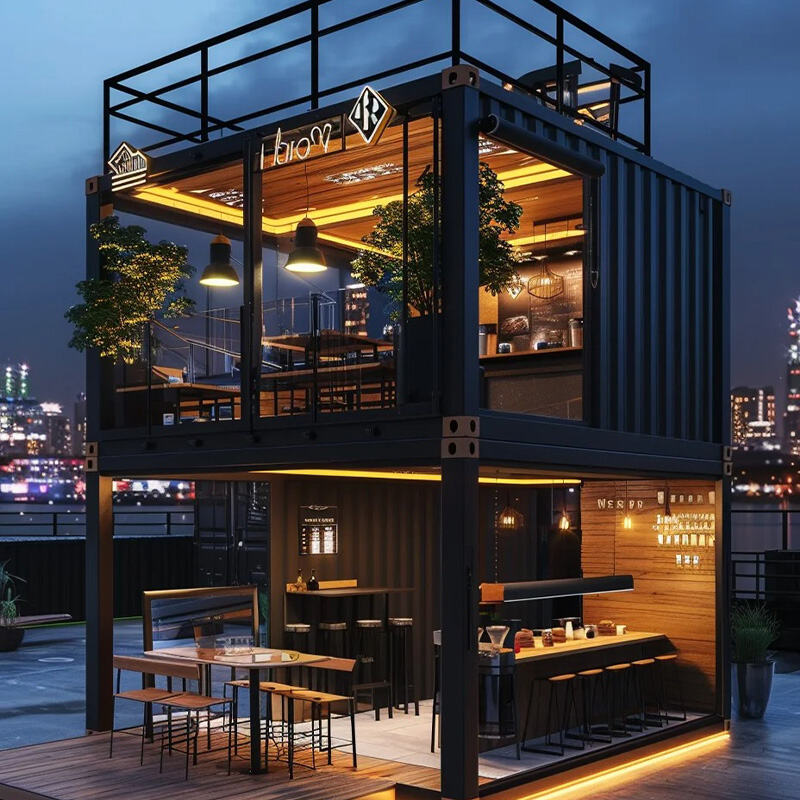
The Structural Assembly Process
Modern modular systems are designed like an engineering puzzle, prioritizing bolt-together installation over traditional welding. This makes the assembly of a prefab container house significantly faster and safer.
-
Step 1: Framing: Anchor the bottom steel frame to your foundation. Secure the four corner columns—these act as the structural "bones" of your unit.
-
Step 2: Roof and Floor: Once the frame is upright, lift and secure the roof structure, followed by the floor joists and panels.
-
Step 3: Wall Installation: Finally, clip or bolt the sandwich panels—featuring EPS or rock wool insulation—into the frame.
Utility Integration and Finishing
A primary advantage of a high-quality prefab container house is that up to 80% of the manufacturing is completed off-site. Electrical conduits and plumbing ports are usually pre-installed. During on-site assembly, your role is focused on "commissioning."
You simply link your pre-run electrical circuits to the main supply and connect drainage pipes to the site’s plumbing system. Because these components arrive pre-installed, you avoid messy, time-consuming electrical work from scratch.
| Assembly Phase | Average Duration | Focus Area |
| Frame & Roof | 3–5 Hours | Precision in leveling |
| Wall & Window | 2–3 Hours | Weatherproof sealing |
| Utility Hook-up | 3–4 Hours | Electrical/Plumbing safety |
Why Prefabricated Systems Outperform Traditional Builds
From an expert perspective, modular construction eliminates the variables that lead to budget overruns. Traditional building is plagued by weather delays and material waste. Conversely, a prefab container house arrives as a complete product. This shift provides massive commercial value, enabling projects to progress 60–70% faster than traditional methods, resulting in quicker occupancy and a superior Return on Investment (ROI).
Choosing the Right Partner: The Songchen Group Advantage
The structural longevity of your build depends entirely on the quality of the cold-rolled steel and the precision of factory fabrication. Songchen Group has built an international reputation by integrating advanced manufacturing with rigorous quality control.
With extensive expertise in global logistics and structural engineering, Songchen Group provides end-to-end supply chain solutions that simplify even the most complex on-site assembly projects. Whether you are scaling a worker camp or developing modular commercial space, Songchen Group ensures your units arrive with the durability, insulation, and precision needed for long-term success. By prioritizing high-grade materials and seamless integration, Songchen Group is transforming how businesses approach modern modular construction.